From Concrete Jungle to Green City: How Gold Coast Finally Embraced Sustainability
Twenty years of sprawl and environmental warnings have forced a dramatic reckoning on the Coast—here's the journey that brought us here.
Twenty years of sprawl and environmental warnings have forced a dramatic reckoning on the Coast—here's the journey that brought us here.
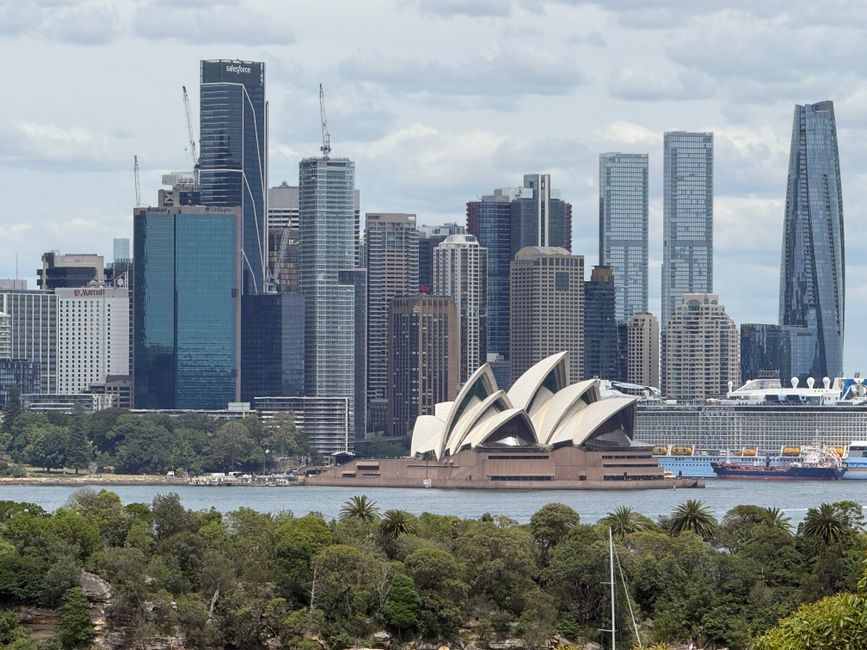
Walk down the Esplanade at Surfers Paradise today and you'll see native plantings where there once stood manicured lawns. The shift didn't happen overnight. It's the product of two decades of mounting pressure, failed promises, and a growing realisation that Gold Coast's boom-or-bust development model was unsustainable.
The turning point came gradually. Throughout the early 2000s, the Coast experienced explosive growth—beachfront real estate selling for unprecedented premiums, high-rise construction cranes defining the skyline from Main Beach to Coolangatta. Yet beneath the prosperity lurked uncomfortable truths. Waterway quality in the Nerang River and Broadwater deteriorated, with algal blooms becoming increasingly common. Coastal erosion accelerated, particularly around The Spit and Palm Beach. Native vegetation clearance for residential developments averaged 200 hectares annually by 2015.
The environmental wake-up call came incrementally. Scientists from Griffith University published studies highlighting the vulnerability of our beaches to rising sea levels. Local tourism operators—the economic backbone of the region—began warning that degraded waterways and beaches threatened visitor numbers. Residents facing $30,000-plus annual strata levies for beach protection schemes finally connected the dots between unchecked development and their hip pockets.
The real catalyst emerged around 2022-2023. A confluence of events forced change: severe flooding in Tallebudgera Valley and the hinterland communities, the Coral Sea Marine Park expansion discussions, and grassroots campaigns by groups focused on protecting the Broadwater and Currumbin Creek. Young professionals—the demographic driving migration to the Coast—began prioritising suburbs like Boomerang and Reedy Creek with established green corridors over aging oceanside precincts.
By 2024, the momentum became undeniable. Local councils released sustainability frameworks. Businesses on the Gold Coast Highway began transitioning to renewable energy. The Currumbin Wildlife Sanctuary's expanded conservation programs gained high-profile backing. Property developers, sensing market shifts, started incorporating green building certifications and wetland restoration into master-planned communities.
Today's sustainability initiatives—from mangrove restoration projects in the Spit to rooftop gardens across Southport's commercial precinct—represent not a spontaneous greening but hard-won acceptance that the old Gold Coast model had reached its limit. The Coast didn't choose environmental consciousness because it was trendy. It embraced it because the consequences of not doing so had finally become impossible to ignore.
This article was compiled by AI from the sources linked above and screened before publishing. See our editorial standards.
Spread the word
About this article
Published by The Daily Gold Coast
Daily brief
Free, in your inbox before 7am. Weekdays.
More from Gold Coast