Why global migration crises are reshaping Gold Coast suburbs—and what it means for your community
As families flee conflict zones worldwide, local organisations are stretched thin supporting newcomers—but experts say integration here offers hope.
As families flee conflict zones worldwide, local organisations are stretched thin supporting newcomers—but experts say integration here offers hope.
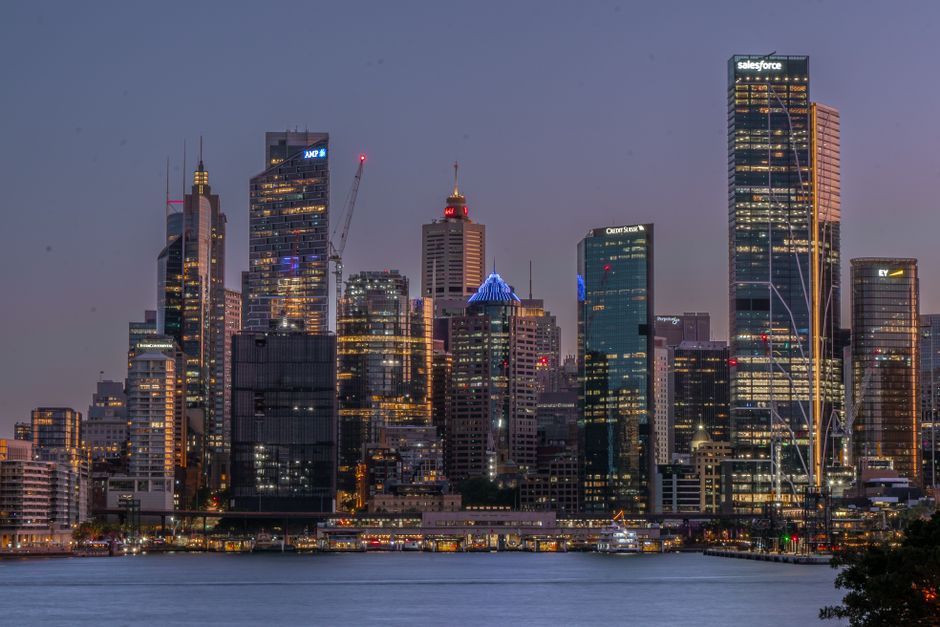
When Surfers Paradise resident Maria Okonkwo settled on the Gold Coast five years ago, she expected to find opportunity. Today, she's helping coordinate emergency support for newly arrived families fleeing instability across West Africa, the Middle East, and South Asia—a role that barely existed a decade ago.
The surge reflects a global pattern playing out in suburbs from Southport to Ashmore. With geopolitical tensions intensifying from the Middle East to South Asia, more families are seeking stability in Australia's migration hubs. The Gold Coast, with its established multicultural networks and growing job market, has become a natural landing point.
But infrastructure struggles to keep pace. The Gold Coast Multicultural Centre on Bundall Road has seen demand for settlement services increase by 37% over two years, according to community sector leaders. Language support, employment pathways, and affordable housing have become critical bottlenecks.
"We're not just talking about numbers," says Tom Richardson, director of Gold Coast Community Services Alliance. "These are families navigating trauma, isolation, and bureaucracy. When support works, the entire community benefits."
Local property markets tell part of the story. Rental vacancy rates in Broadbeach and Southport hovered near 1.2% last quarter—among the tightest on the coast. This squeezes both newcomers and existing residents. Meanwhile, small businesses in areas like Nerang and Ormeau are increasingly staffed by migrants filling labour shortages in hospitality, aged care, and construction.
The economic argument is straightforward: Gold Coast employers face chronic skill gaps. Migrants fill them. Yet successful integration requires coordination. Schools in high-settlement areas report increased demand for English-as-a-second-language programs. Healthcare providers struggle to recruit interpreters.
Success stories abound. The Southport Business District has benefited from diaspora entrepreneurs launching ventures that serve both newcomer and broader communities. But without sustained investment in settlement services, language support, and housing accessibility, integration stalls—and resentment builds.
City leaders face a choice. Treat migration as a crisis to manage, or an opportunity to strengthen workforce capacity and cultural resilience. Organisations like Refugee Resettlement Services Gold Coast advocate for the latter, but funding remains precarious.
For local residents, the stakes are tangible: housing affordability, school resources, healthcare capacity, and ultimately, whether our communities thrive together or fracture under strain.
This article was compiled by AI from the sources linked above and screened before publishing. See our editorial standards.
Spread the word
About this article
Published by The Daily Gold Coast
Daily brief
Free, in your inbox before 7am. Weekdays.
More from Gold Coast