lifestyle
Why the Gold Coast remains a global anomaly among coastal cities
From urban densification to environmental stewardship, the city is carving a singular path that defies international tropes.
How we reported this
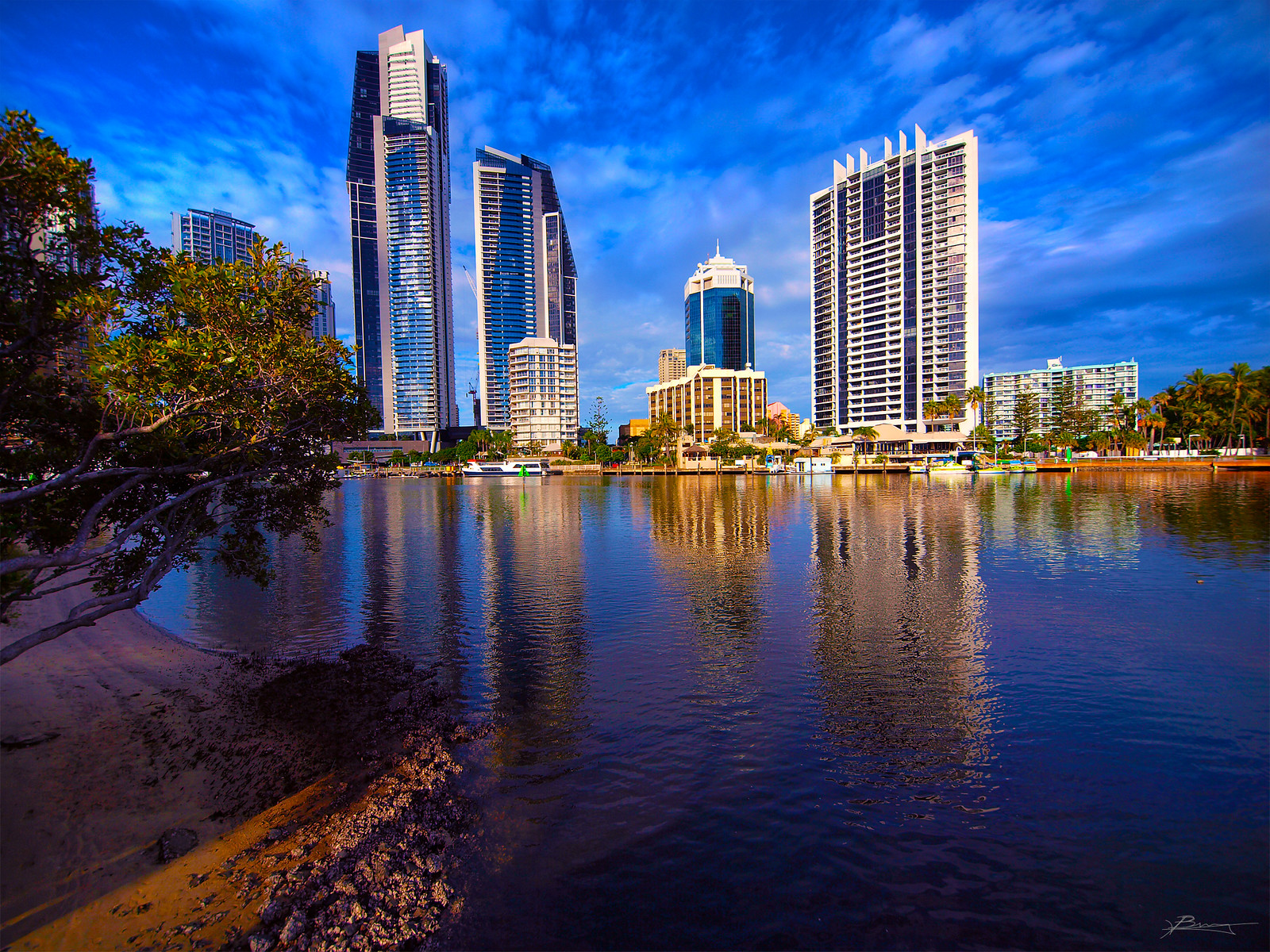
Gold Coast City Council’s latest urban planning data confirms the region now supports a permanent population exceeding 660,000, solidifying its status as a high-density, multi-nodal hub that operates unlike any other major coastal city in the Pacific. While international benchmarks often rely on a single dominant CBD, this city continues to distribute its commercial and social gravity across distinct precincts like Southport, Broadbeach, and Burleigh Heads, creating a decentralized lifestyle model that is increasingly being studied by urban geographers globally.
A unique social and spatial configuration
The city's evolution is distinct because it balances massive tourism infrastructure with a highly localized neighborhood identity. Visitors navigating the light rail system-which completed the Stage 3 extension to Burleigh Heads earlier this year-frequently note the lack of a traditional ‘commuter culture.’ Instead, the Gold Coast functions as a series of connected villages where the high-rise landscape of Surfers Paradise serves as a vertical gateway rather than a singular focal point for the entire regional economy.
Local institutions are also responding to shifting demographics. The Gold Coast Health and Knowledge Precinct, anchored by the Gold Coast University Hospital, has transitioned from a medical facility into an international research hub. This shift highlights a departure from the city's early reputation as purely a hospitality-driven destination. By integrating educational facilities like Griffith University with private enterprise, the city is effectively insulating itself from the volatility that often characterizes single-industry tourism economies.
Economic shifts and future projections
Financial reports from the Queensland government indicate that the region contributes roughly $45 billion annually to the state economy. This economic output is supported by a significant diversification in small business growth, particularly within the hospitality and tech sectors clustered around the Nobby Beach and Palm Beach corridors. As of July 2026, real estate data from CoreLogic indicates a median house price in the region sitting near $985,000, a figure that reflects both the scarcity of land and the ongoing demand for coastal residential assets.
Looking toward the next quarter, the city is poised to implement new environmental guidelines for beachside developments to mitigate erosion along the Southern Gold Coast coastline. Residents expecting updates on the Shoreline Management Plan should monitor the upcoming public consultation meetings hosted at the Robina Community Centre in late August. These forums will determine the scope of future dune stabilization projects, ensuring the city preserves the very environment that fueled its rapid 20th-century expansion while preparing for the climate realities of the 2030s.