lifestyle
A new rhythm for the Gold Coast: what has changed recently and why locals love it now
From the revitalised Broadbeach parklands to a shift in how we dine, the city is shedding its old skin for a more deliberate, community-focused pace.
How we reported this
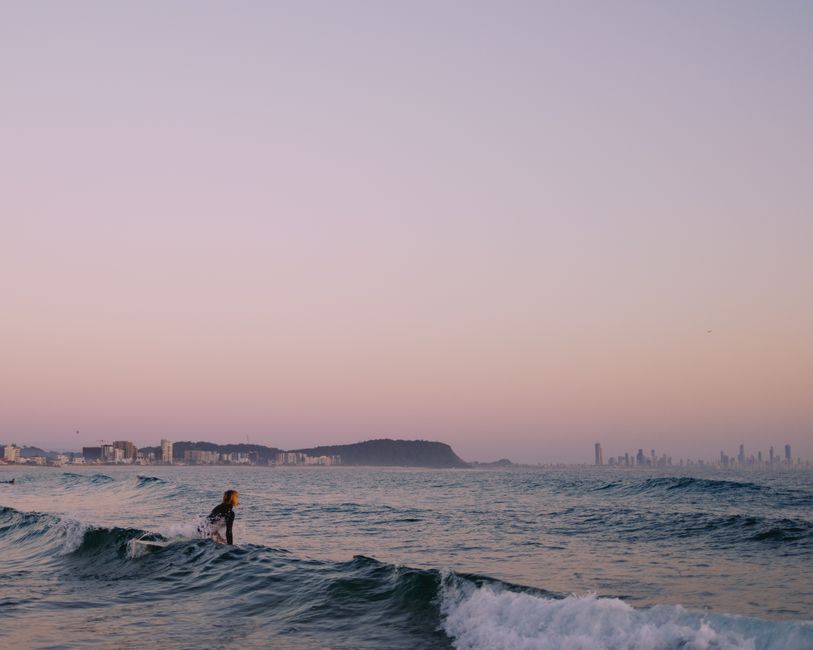
Gold Coast residents are trading the frantic pace of past summers for a refined, neighborhood-centric lifestyle as the city enters July 2026. Data from the City of Gold Coast indicates a marked shift in urban planning, with council investment now favoring pedestrian-first infrastructure over traditional high-density tourist strips. This transformation is most visible along the beachfront, where recent renovations have prioritized accessibility and open green spaces.
The shift toward neighborhood hubs
The transition is not just architectural; it is cultural. Locals are gravitating away from the neon-lit corridors of Surfers Paradise toward the community-oriented offerings in places like the Burleigh Heads dining precinct and the evolving Nobby Beach village. According to the June 2026 report from the Gold Coast Tourism and Economic Development Committee, foot traffic in these residential-adjacent hubs has increased by 14 percent compared to the same period last year. This trend signals a desire for a lifestyle that balances the city's signature sun-drenched identity with practical, high-quality amenities.
Establishments like the refined culinary spots on James Street in Burleigh Heads or the revamped parklands near the Broadbeach Bowls Club are no longer just weekend destinations. They are now central to the daily flow of local life. By moving the focus away from transient hospitality toward permanent residential utility, the city has managed to maintain its vibrancy without sacrificing the comfort of its year-round inhabitants.
Understanding the cost of the new coast
This lifestyle shift comes with a significant price tag, as real estate and cost-of-living metrics reach new peaks. Median rental prices across the coastal strip hit $820 per week as of July 1, 2026, according to the latest figures from the Domain Rent Report. Despite these rising costs, local spending on community services and boutique dining experiences remains robust. Residents are increasingly choosing to invest their discretionary income back into locally owned businesses, such as those participating in the 'Support Local GC' initiative, which aims to keep independent retailers anchored in the region.
As we move into the second half of the year, the focus for the Gold Coast will shift toward the upcoming spring event calendar. Residents can expect the introduction of more localized cultural festivals at the Home of the Arts (HOTA) in Bundall, designed to foster community cohesion rather than mass tourism. For those looking to navigate these changes, keeping an eye on the city council’s 'Gold Coast 2030' development tracker will be essential for understanding which suburbs are slated for the next wave of infrastructure upgrades.