Moving to the Gold Coast? Here's what locals actually tell newcomers
Expats and interstate arrivals are flooding the region. We asked residents what they wish they'd known before unpacking.
Expats and interstate arrivals are flooding the region. We asked residents what they wish they'd known before unpacking.
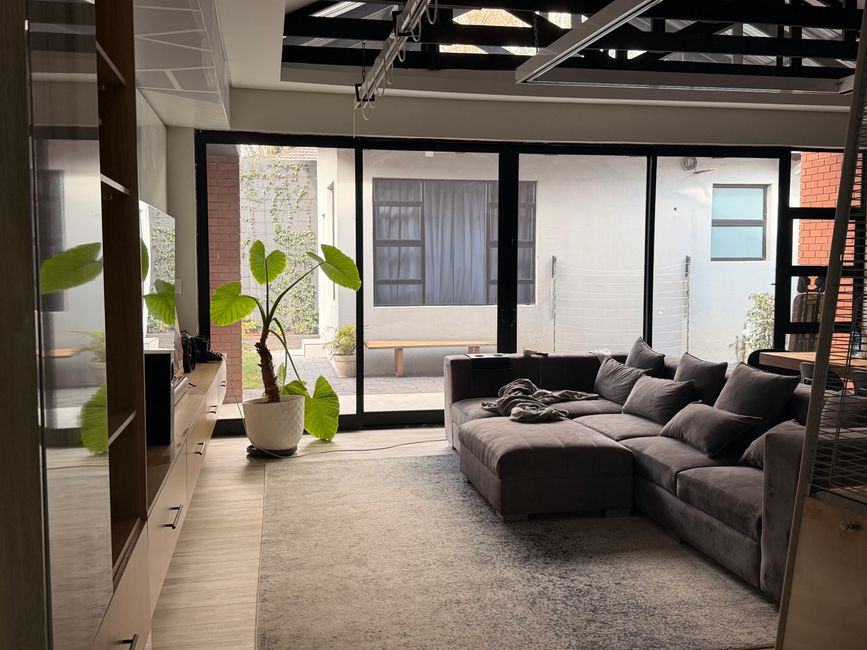
The Gold Coast is landing about 1,500 new residents every month, according to recent data from the Queensland Government Statistician's Office. Not all of them know which beaches are actually swimmable without worrying about dangerous marine life, where to find decent coffee that isn't tourist-grade, or why February feels like living inside a steam room.
Relocation agents across Australia report a spike in interstate and international inquiries about the Gold Coast. Part of it's the property market cooling down—young families are priced out of Sydney and Melbourne and looking north. Part of it's remote work. And part of it's simply the weather. But newcomers often arrive with glossy brochure expectations and hit reality fast. The locals who've been here five years or more have figured out the shortcuts.
Rental prices on the Gold Coast sit around $450 to $550 per week for a two-bedroom apartment in established suburbs like Surfers Paradise or Broadbeach, though you'll pay noticeably less—often $350 to $420—in Robina or Ashmore. Groceries at Coles and Woolworths on the Gold Coast Highway aren't cheaper than Sydney or Brisbane; expect to pay similar prices or sometimes more. What catches people is the hidden stuff: insurance premiums run higher because of cyclone risk, and utilities spike from September through April when air conditioning runs constantly.
Petrol hovers around 165 cents per litre on average across the region, and public transport—while improving—still requires a car for most daily errands. The M1 motorway connects you to Brisbane in 90 minutes, but traffic during school holidays and weekends can add an hour.
Tallebudgera Valley, inland from the beachfront strip, is where you'll find community farmers markets on Thursday mornings at various local schools and reserves. It's genuinely cheaper for fresh produce than supermarkets—blackberries and brussels sprouts are reliably good value in July—and you meet actual residents instead of tourists. The valley's also where rent stays realistic and traffic feels manageable.
For weekend activity, locals head to Boomerang Beach or Coolangatta's quieter northern end rather than Surfers Paradise, which fills with visitors year-round. If you're inland in Robina or Mudgeeraba, the hinterland suburbs offer shade and escape when the coast gets too crowded or humid.
Coffee culture exists here, despite what the tourism board might suggest. Small independent cafes around Burleigh Heads on James Street and scattered through Mermaid Beach have proper flat whites, but you'll need to hunt them out. Chain cafes on the esplanade will disappoint you.
The Gold Coast Airport handles about 8 million passengers annually, making flights to Sydney, Melbourne, and Brisbane relatively cheap and frequent—usually $80 to $150 each way if you're flexible. Many expats use this as their safety valve for long weekends back to friends in other states.
Newcomers often underestimate the social learning curve. The Gold Coast's population turns over constantly, so longtime residents are used to integrating newcomers, but you'll need to initiate. Join a club, volunteer, take a class—the fitness community around the beachfront and the various RSL clubs across the hinterland are standard entry points for people in their 30s and 40s.
One final piece of advice from people who've settled here: visit in February before you commit. That's when you'll understand whether the climate actually works for you. The beaches are gorgeous, but they're not everyone's permanent reality.
Spread the word
About this article
Published by The Daily Gold Coast
Daily brief
Free, in your inbox before 7am. Weekdays.
More from Gold Coast


