Why the Gold Coast's park system is quietly outpacing global rivals
From subtropical gardens to beachside reserves, this city's outdoor spaces offer what London, LA and Singapore are still chasing.
From subtropical gardens to beachside reserves, this city's outdoor spaces offer what London, LA and Singapore are still chasing.
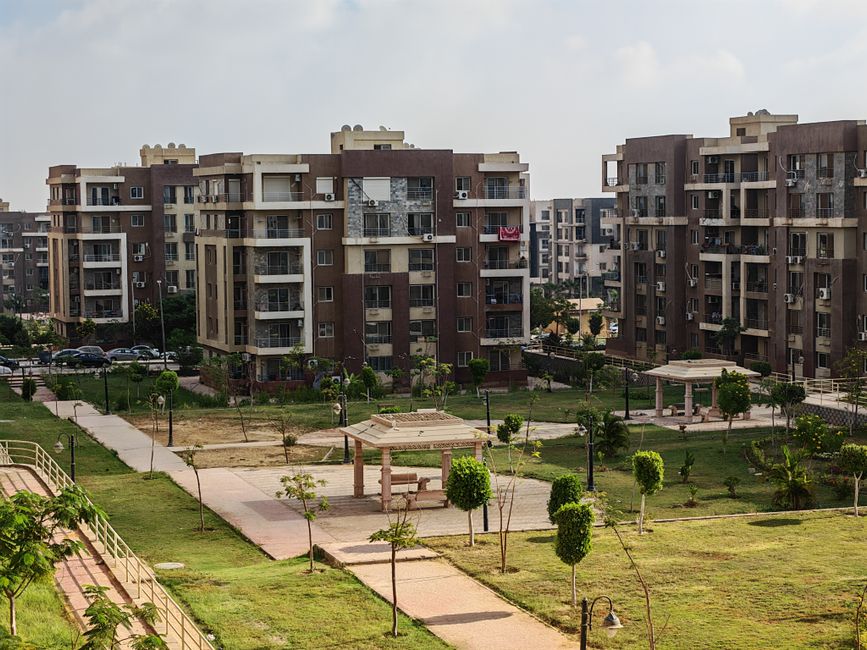
The Gold Coast has 4,600 hectares of parkland. That's roughly equivalent to 6,400 football fields of public green space, most of it free to use and within 15 minutes of someone's home. For a city of 630,000 people, it's an unusually generous footprint—one that stands apart from comparable global cities where parks are either scarce or accessible only to the wealthy.
While Melbourne debates the cost of maintaining its sprawling gardens and London charges £30 for peak-season entry to its best parks, the Gold Coast has maintained something closer to the original idea: outdoor space that belongs to everyone. The timing matters. As property prices stall across Australia and first-home buyers retreat from the market, the value of free public amenities has quietly become a competitive advantage. People aren't just buying houses anymore. They're buying proximity to somewhere they can actually spend their time without paying extra.
Tallebudgera Valley, tucked into the hinterland 20 kilometres west of Surfers Paradise, reads like what you'd expect from a nature reserve: rainforest canopy, creek crossings, 380 plant species native to the region. Free entry. Maintained by the Gold Coast City Council's Environmental Management section. There's nothing exotic about it by European standards—except that it exists at all as public land. In Singapore, you'll pay to visit the Gardens by the Bay. In Los Angeles, hiking trails require vehicle passes or parking fees. Here, walking distance from residential suburbs, you get old-growth forest.
The city's 84 beaches with public access points—from Main Beach to Coolangatta—anchor a different kind of green space logic. They're not parks, technically. But they function as outdoor living rooms. A family from Broadbeach can walk two blocks and swim, picnic, and watch the water without transaction. That's increasingly uncommon in coastal cities where beachfront has been cordoned into private developments or resort compounds.
Southport Broadwater Parklands offers 42 hectares of manicured grassland, dog parks, barbecue facilities, and 6 kilometres of walking paths. It's the city's most heavily used outdoor space. Council data from 2024 showed 2.3 million visits annually. That's roughly 4 visits per resident per year—suggesting the parks aren't niche amenities but embedded in daily routines.
An international audit by the Trust for Public Land in 2023 ranked cities by park access equity. Gold Coast ranked eighth globally for percentage of residents living within a 10-minute walk of usable green space—tied with Copenhagen, ahead of Barcelona and Toronto. The scoring system weighted free access heavily. Cities with paid entry systems or heavily privatised waterfronts scored lower regardless of acreage.
That ranking had a shelf life though. Maintenance budgets in Australian councils have tightened since mid-2025. The Gold Coast City Council's parks budget for 2025-26 sat at $87 million—down 3 per cent from the previous year in real terms. Grass cutting happens less frequently on some reserves. Pathways in smaller pocket parks like Ashmore Park haven't been resurfaced in six years.
The catch with free public space is that it requires ongoing funding. Los Angeles can charge for parking because demand exceeds capacity. Singapore monetises its gardens because they're destination venues. The Gold Coast's parks work because they're distributed and abundant enough that they don't feel precious. But that abundance depends on consistent investment, not just good intentions.
If you're considering the Gold Coast against other cities—or reconsidering whether staying here makes sense—the parks are worth the calculation. They're not temporary. But they're also not automatic. The city council budget hearings happen in August. Residents who use these spaces regularly now might find the difference between 2026 and 2027 noticeable if funding erodes further. The question isn't whether Gold Coast has better parks than London or Singapore. It's whether the next council will keep it that way.
Spread the word
About this article
Published by The Daily Gold Coast
Daily brief
Free, in your inbox before 7am. Weekdays.
More from Gold Coast


