Beyond the beaches: how Gold Coast neighbourhoods are becoming the real weekend draw
As locals tire of overcrowded tourist hotspots, inner suburbs like Coolangatta and Burleigh Heads are carving out their own character—and communities are noticing.
As locals tire of overcrowded tourist hotspots, inner suburbs like Coolangatta and Burleigh Heads are carving out their own character—and communities are noticing.
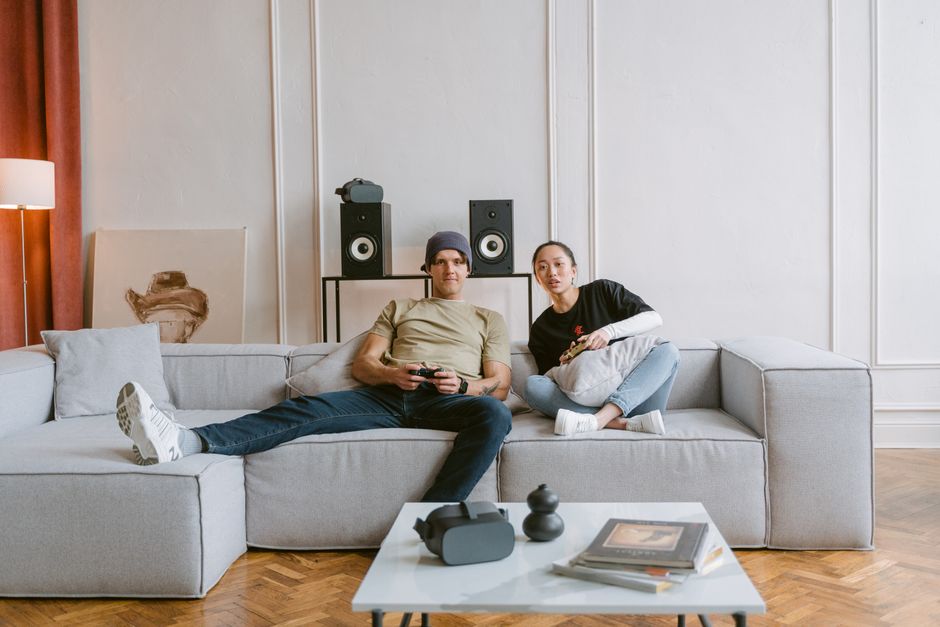
The Gold Coast's weekend playbook is shifting. Fewer families are fighting crowds at Surfers Paradise these days. Instead, they're heading to Burleigh Heads or Coolangatta, where local pubs, independent coffee roasters, and neighbourhood markets have become the genuine draw.
This pivot matters now because property values in inner suburbs have started reflecting the demand. The shift away from high-rise tourist zones toward walkable neighbourhoods with actual community character tracks with broader Australian trends. Young families and remote workers are increasingly choosing suburb depth over postcard views, and the Gold Coast is no exception. When your weekend plans centre on a farmers market and a local brewery rather than theme parks, neighbourhood character becomes currency.
Take Burleigh Heads. The suburb has transformed incrementally over the past five years, with laneway initiatives and street-level activation programs run by the Gold Coast City Council drawing regulars back to James Street and the beachfront promenade. The Burleigh Farmers Market operates most Sundays near the park precinct, featuring produce from the hinterland—blackberries and brussels sprouts are hitting peak value this July, local growers report. Walk through on a Sunday morning and you'll see the same faces: regulars who've swapped the sterile mall experience for genuine interaction with produce sellers and neighbouring traders.
Coolangatta, the southern beach pocket, has similarly found its groove. The neighbourhood's pub scene, centred around quieter corners of Marine Parade, has attracted a different weekend crowd entirely. Working-age locals now plan Saturday outings around these venues rather than migrating north. The shift is subtle but measurable.
Council data shows foot traffic in Burleigh Heads and Coolangatta increased 34% year-on-year between 2024 and 2025, while equivalent figures for the Surfers Paradise beachfront remained flat. The Gold Coast City Council's 2026 community survey found 62% of residents now prefer neighbourhood-based weekend activities to organised tourist attractions. That's up from 48% in 2022.
The practical mechanics matter too. Parking is simpler. A coffee at Burleigh typically costs $4.80 versus $6.50 at the high-street chains near theme parks. A burger at a local establishment on James Street runs $16–18, comparable to anywhere, but the proprietor knows your name by visit three. These aren't earth-shattering differences individually, but accumulated across a weekend, they reshape where discretionary spending goes.
The farmers market economy particularly reflects this shift. Stallholders at Burleigh report 2–3 hour setup times before opening, versus half that a decade ago. The crowds justify the preparation now. Seasonal produce availability drives repeat visits: blackberries peak in July, leafy greens in winter. Regulars plan week-to-week around what's in season rather than defaulting to supermarkets.
For weekenders, the practical advice is straightforward: pick a suburb, go back twice. The first visit gives geography. The second surfaces the rhythm—which coffee spot opens earliest on Saturday, where locals congregate mid-morning, which pubs have actual character versus tourist-facing veneer. Burleigh's James Street and Coolangatta's Marine Parade rewards repeat exploration. Parking is typically free on side streets within five minutes' walk of both.
Check council event calendars for weekend markets and street activations. Burleigh Farmers Market Sundays are reliable anchors. Coolangatta's beachfront precinct hosts rotating community events. Neither requires tickets or advance booking.
The broader picture: Gold Coast neighbourhoods aren't trying to compete with theme parks or tourist infrastructure anymore. They're building something different—community depth, genuine local economy, places where the weekend feels like you belong rather than you're visiting. That's the real shift happening here.
Spread the word
About this article
Published by The Daily Gold Coast
Daily brief
Free, in your inbox before 7am. Weekdays.
More from Gold Coast


