From Car Culture to Micro-Mobility: How Southport's Transport Scene Is Being Reimagined
Electric scooters, expanded cycle lanes and a reimagined bus network are quietly transforming how locals move through Gold Coast's heart.
Electric scooters, expanded cycle lanes and a reimagined bus network are quietly transforming how locals move through Gold Coast's heart.
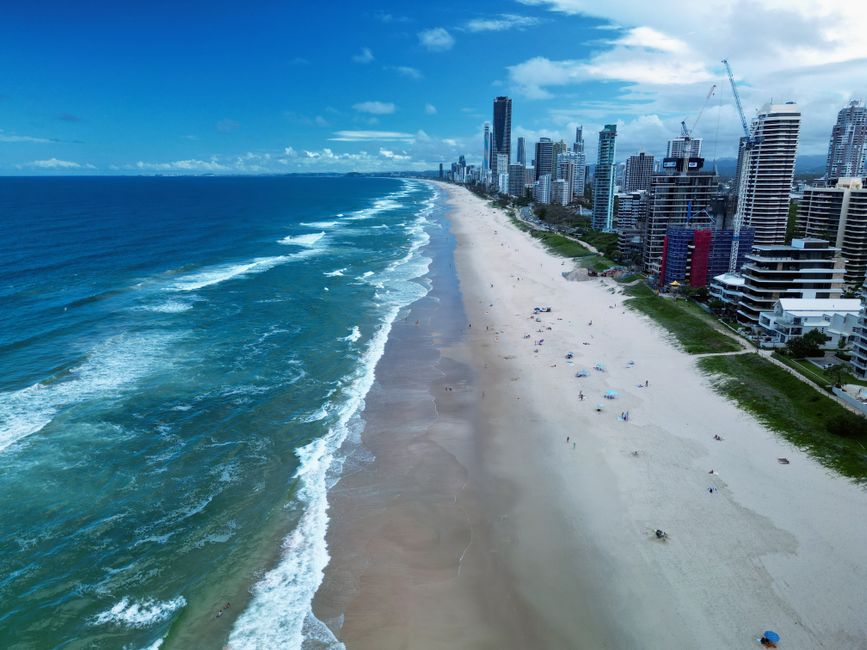
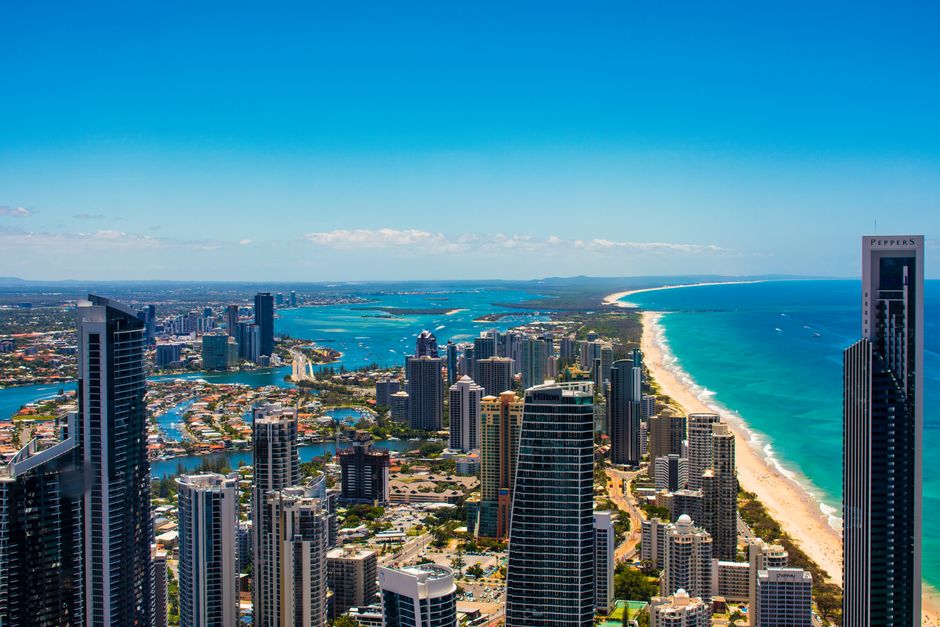
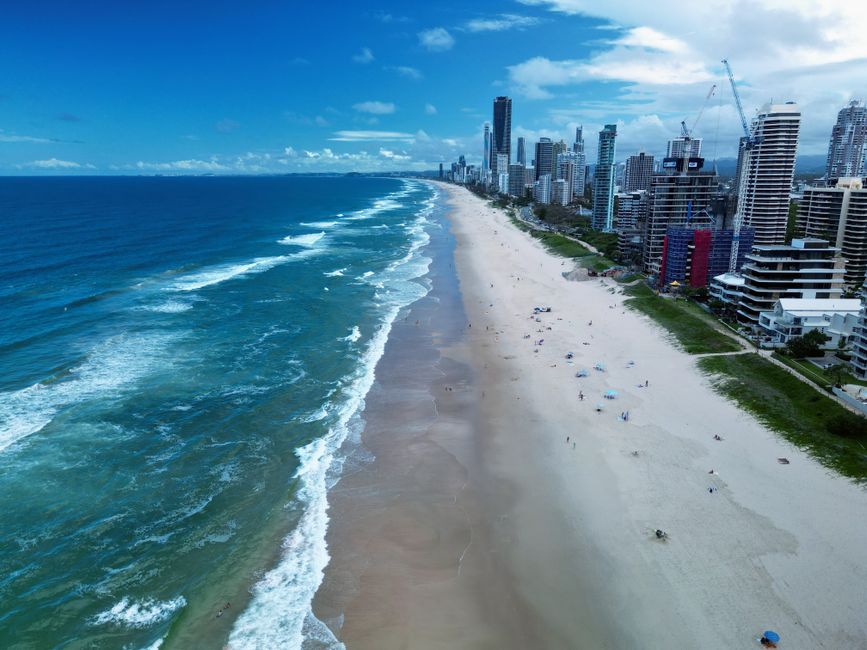
Walking through Southport five years ago meant navigating a car-centric landscape where commuters sat gridlocked on The Esplanade during peak hours. Today, the neighbourhood's transport identity is shifting in ways both visible and subtle, reshaping how thousands of Gold Coasters move through the city's cultural and commercial core.
The most obvious change is the proliferation of micro-mobility options. E-scooters now dot footpaths along Cavill Avenue and the beachfront, while dedicated bicycle lanes have expanded significantly along the Broadwater. Where cyclists once competed for space with cars, protected lanes now offer safer passage—a development that's coincided with a reported 30 per cent increase in cycle commuting into the Southport CBD over the past two years, according to local transport advocates.
But the evolution runs deeper than visible infrastructure. Gold Coast City Council has been quietly reshaping bus networks serving the area, with the M1 bus corridor receiving upgraded frequency during morning and evening peaks. The introduction of real-time tracking apps and improved shelter facilities at stops like those on Queen Street have made public transport less of a fallback option and more of a genuine choice for office workers heading to the nearby financial district.
Parking dynamics are shifting too. Several commercial precincts are trialling dynamic pricing models, where hourly rates adjust based on demand—a strategy intended to free up spaces and discourage all-day parking. Meanwhile, dedicated facilities for bike and scooter parking are appearing outside major employers, acknowledging a fundamental change in how people's journeys are starting and ending.
Local businesses are responding. Southport's growing roster of café culture along the riverside now includes outdoor seating specifically positioned for scooter and bike riders to refuel, while some employers have begun offering transport incentives that favour public transit or active commuting over solo driving.
The shift hasn't happened without friction. Traditional taxi operators and some motorists have voiced concerns about congestion caused by scooter users and cyclists, while some residents question whether bike lanes have reduced available parking. Yet transport planners insist the changes reflect broader Gold Coast realities: a younger demographic, environmental consciousness, and the simple economics of time spent sitting in traffic.
For Southport, these changes represent a maturation of its transport identity—from a neighbourhood defined by gridlock to one quietly experimenting with alternatives. Whether it signals a permanent shift in how Gold Coasters commute remains to be seen, but the infrastructure decisions being made today suggest the car's dominance in Southport's future may be finally declining.
This article was compiled by AI from the sources linked above and screened before publishing. See our editorial standards.
Spread the word
About this article
Published by The Daily Gold Coast
Daily brief
Free, in your inbox before 7am. Weekdays.
More from Gold Coast