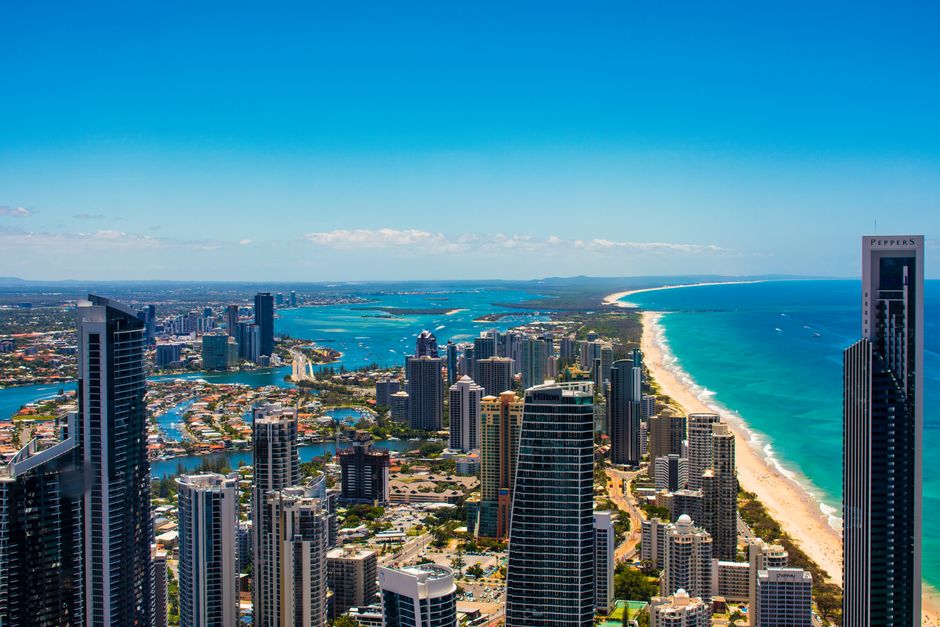
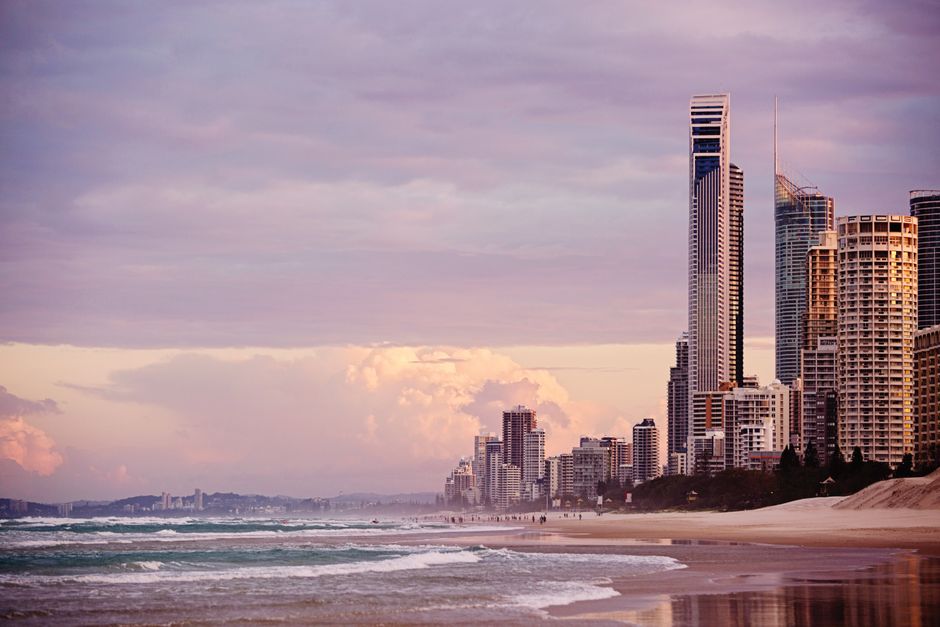
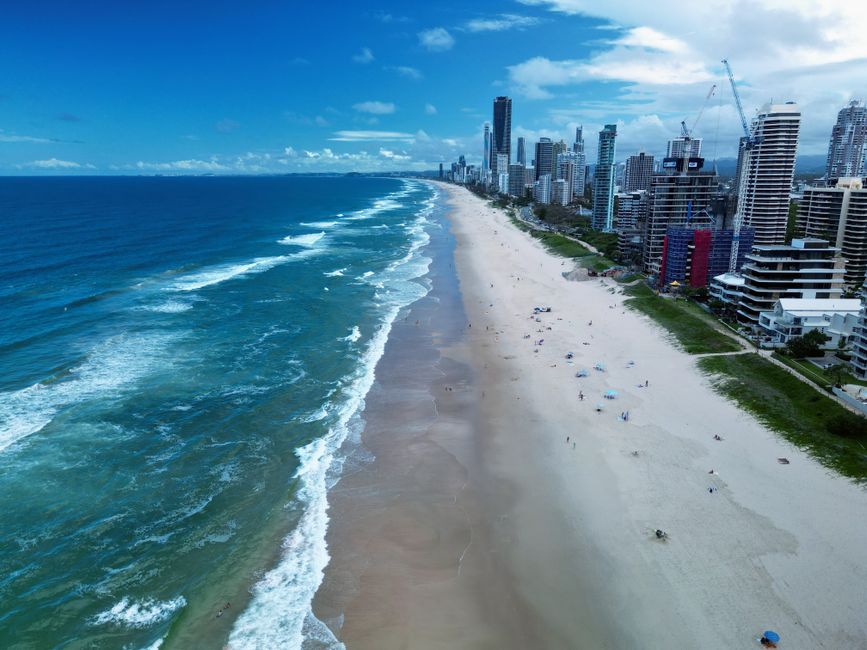
Walk down Cavill Avenue on a Saturday morning and you'll notice something beyond the retail facades and coffee culture. There are faces—regulars who've woven themselves into the fabric of Surfers Paradise. The café owner from 15 years back still remembers your order. The street musician who's funded his own studio through busking. The community coordinator at the Surfers Paradise Community Centre who knows every local challenge and opportunity by heart.
This is what separates Gold Coast neighbourhoods from generic urban sprawl. It's the deliberate cultivation of community that transforms postcode 4217 into something worth belonging to.
In Southport's cultural precinct, emerging artists and established creatives have built genuine networks around the Gold Coast Arts Centre and Griffith University's burgeoning design scene. Young professionals have driven the revitalisation of Main Beach's retail strips, turning vacant shopfronts into independent boutiques and niche hospitality venues. These aren't corporate chain decisions—they're personal bets on neighbourhood potential.
The statistics tell part of the story. Gold Coast's population sits around 680,000, with the median age approximately 40 years. Property prices in established suburbs like Broadbeach and Mermaid Beach hover around $1.2–1.4 million for family homes, reflecting genuine demand from people choosing to stay, not just pass through. This permanence breeds investment in community.
Neighbourhood hotspots like the Esplanda Broadbeach have become genuine gathering spaces rather than tourist infrastructure. Local farmers markets in Currumbin and Tallebudgera attract the same faces weekly—not Instagram tourists, but people who've decided their neighbourhood deserves their attention.
The volunteer networks keeping these communities functional are equally crucial. Neighbourhood associations, local sporting clubs, and grassroots environmental groups in areas like Burleigh Heads consistently attract participation rates above state averages. The Gold Coast Hinterland Alliance, for instance, connects rural communities facing development pressure through genuine dialogue rather than top-down planning.
What emerges across these neighbourhoods isn't nostalgia or forced quaintness. It's active participation from people who understand that liveable cities require intentional community-building. The young parents who've established toy-sharing collectives. The retirees mentoring local entrepreneurs. The recent arrivals determined to understand their neighbourhood's history and character.
Gold Coast's lifestyle reputation rests on climate, beaches, and infrastructure. But its future depends on the deliberate choices of residents choosing connection over convenience—the people transforming addresses into actual neighbourhoods worth discussing, long after the tourism dollars leave.
This article was compiled by AI from the sources linked above and screened before publishing. See our editorial standards.