Moving to the Gold Coast? Here's What Locals Actually Want You to Know
Forget the Instagram postcards—expat residents reveal the real deal about settling into Australia's most dynamic coastal city.
Forget the Instagram postcards—expat residents reveal the real deal about settling into Australia's most dynamic coastal city.

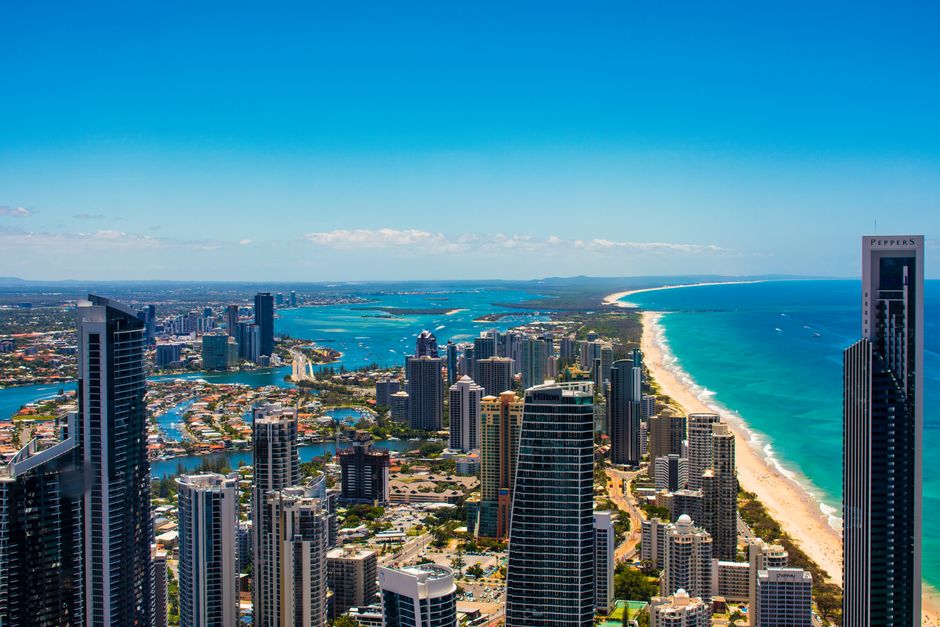
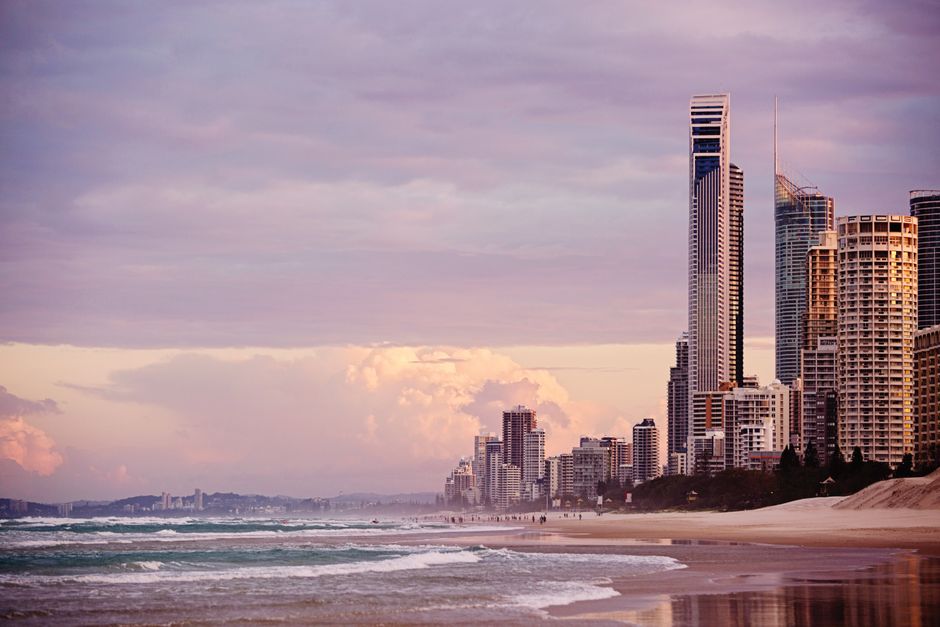
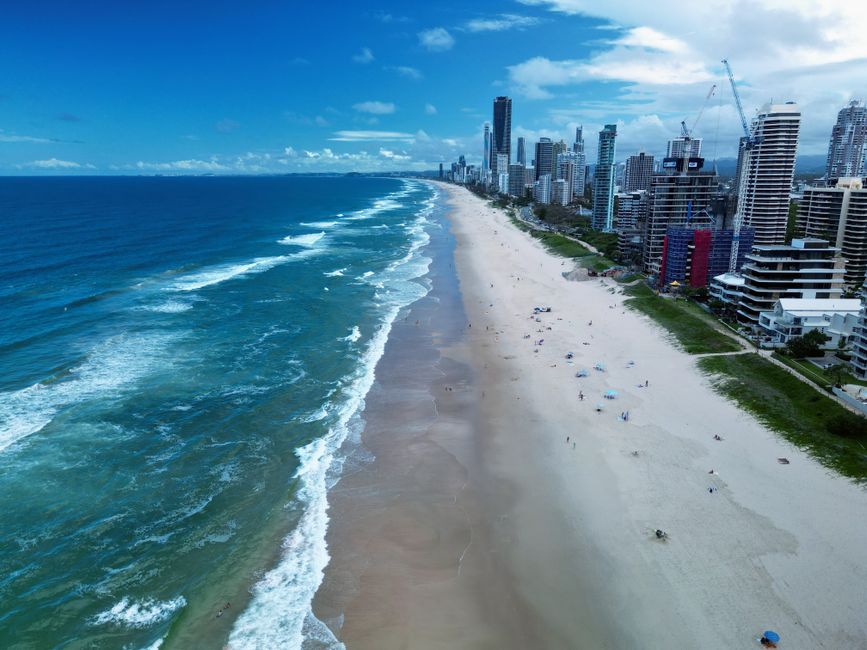
The Gold Coast attracts thousands of international relocators annually, drawn by year-round sunshine, surf culture, and booming job markets. But the transition from fantasy to reality demands honesty. We spoke with long-term expat residents across Surfers Paradise, Broadbeach, and the hinterland to cut through the tourism gloss.
Housing Reality Bites Early
Expect to invest significantly. A one-bedroom apartment in Surfers Paradise averages $550–700 weekly, while Broadbeach pushes $650–800. Inland suburbs like Ashmore and Mudgeeraba offer relief at $420–550, though you'll sacrifice beachside convenience. Most locals recommend securing temporary accommodation first—Airbnb or serviced apartments—before committing to a lease. Body corporates on high-rises are steep; factor in $80–150 weekly.
Transport Requires Adjustment
Owning a car isn't negotiable here. Public transport via TransLink is improving but remains limited compared to European or Asian hubs. Petrol averages $1.65–1.85 per litre. Cyclists praise the Gold Coast Oceanway—a 36-kilometre coastal path—but it's recreational, not practical for commuting.
Work and Visa Navigation
The Gold Coast economy thrives on tourism, hospitality, construction, and tech startups. Skilled migration pathways favour healthcare, IT, and trades. Engage with Migration Gold Coast and local recruitment agencies early; the process typically takes 4–8 months. Networking in venues like The Collective in Surfers Paradise or via Gold Coast Chamber of Commerce accelerates opportunities.
Social Integration Takes Intention
The city's transient nature—many residents stay 3–5 years—means community isn't automatic. Join clubs: surfing through Burleigh Heads Surf Club, running via Gold Coast Runners, or general networking at local markets. Neighbourhoods like Tallebudgera and Coolangatta foster tighter-knit communities than beachfront towers.
Hidden Costs Add Up
Childcare ($120–180 daily), private school fees ($15,000–35,000 annually), and healthcare gap insurance shouldn't surprise you. Medicare reciprocal agreements vary by nationality. Suburban groceries cost 15–20% more than major cities.
The Climate Adjustment
Summer humidity (November–March) exceeds expectations. Air conditioning isn't optional. Cyclone season demands preparation; ensure rental insurance covers weather events. Sun protection becomes obsessive—rightfully so.
Final Takeaway
The Gold Coast delivers on lifestyle promises, but success depends on realistic expectations, early planning, and community effort. Those who thrive usually arrive with patience, flexibility, and genuine curiosity about Australian culture beyond the beaches.
This article was compiled by AI from the sources linked above and screened before publishing. See our editorial standards.
Spread the word
About this article
Published by The Daily Gold Coast
Daily brief
Free, in your inbox before 7am. Weekdays.
More from Gold Coast