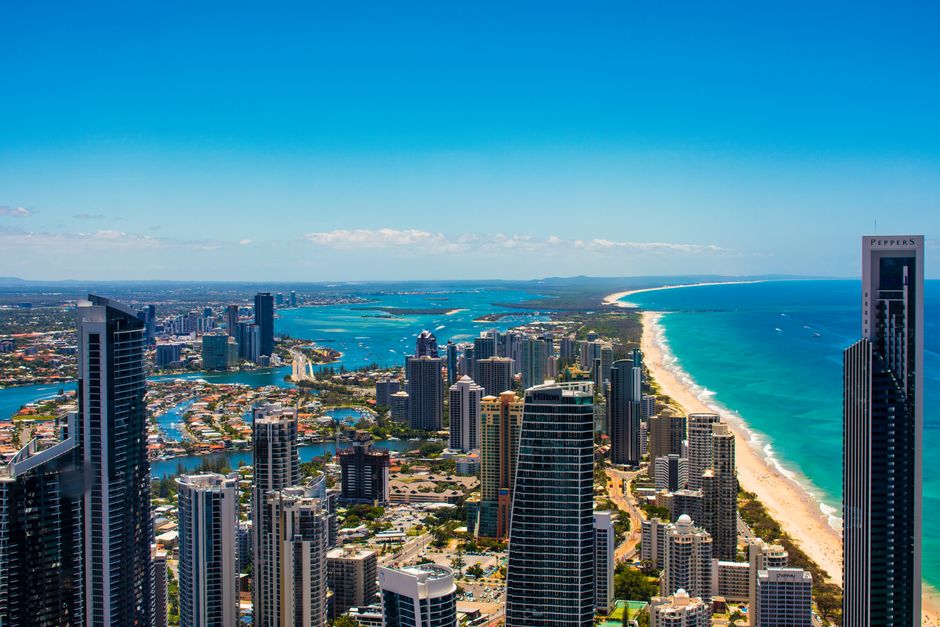
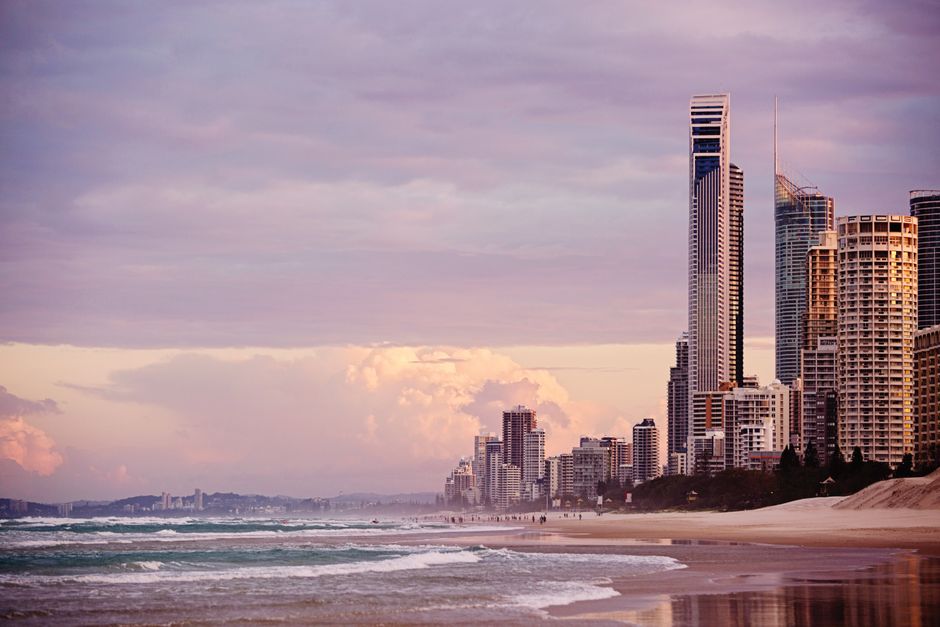
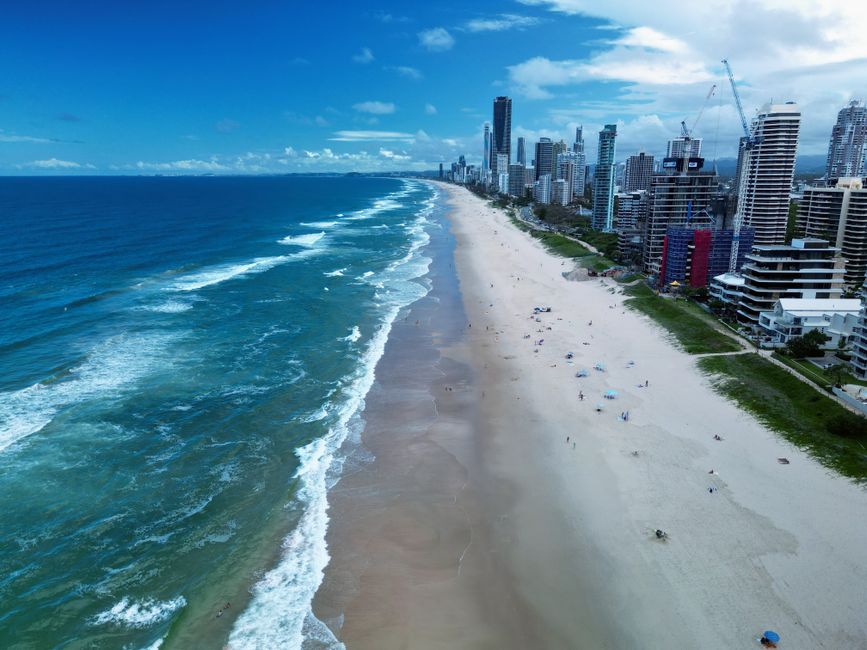
Walk down Cavill Avenue on a Saturday morning, and you'll witness something genuinely distinctive to the Gold Coast: a major metropolitan hub where the ocean is never more than a few minutes away, yet the hinterland mountains rise dramatically just 45 minutes inland. This geographical quirk—rarely found in other world cities—fundamentally shapes how residents live here.
Unlike London's sprawling commuter belts or Sydney's rigid inner-west-to-outer-west divisions, Gold Coast neighbourhoods cluster around what locals call the "lifestyle trinity." Surfers Paradise and The Broadwater offer cosmopolitan beachside living with international dining and nightlife. Meanwhile, South Stradbroke Island and the Spit provide quieter waterfront alternatives where you can moor a boat outside your apartment. These aren't distant suburbs—they're all within the broader urban footprint.
But the real differentiator emerges once you venture west. Tamboram and Mudgeeraba sit barely 30 minutes from Cavill Avenue, yet feel like a different world entirely. Hinterland villages offer acreage, rainforest views, and a farming community ethos that contrasts sharply with beachside density. Compare this to Miami or Dubai, where you're either in the city or genuinely remote. The Gold Coast collapses that distance.
Property reflects this uniqueness. A two-bedroom apartment on The Esplanade in Surfers Paradise averages around $850,000, positioning it as premium beachfront real estate. Yet drive 20 minutes to Burleigh Heads, and similar-sized properties sit 300 metres from the beach at $650,000. Move to the hinterland, and acreage with views costs $600,000-plus, but you gain genuine space. No global competitor offers such accessible lifestyle diversity within one contiguous region.
Community structures differ too. Unlike fragmented mega-cities where neighbourhoods operate independently, Gold Coast communities share infrastructure through the City of Gold Coast council, creating integrated transport planning and shared cultural events. Schoolies Week, Indy Car Grand Prix, and local farmers markets span multiple precincts, fostering genuine citywide identity rather than isolated village mentalities.
The climate factor cannot be ignored. Year-round subtropical weather means outdoor community gathering spaces—Cavill Mall, Tallebudgera Valley farmer's markets, beachfront parks—remain constantly activated. European and North American cities experience seasonal abandonment of public spaces; the Gold Coast's outdoor lifestyle thrives 365 days annually.
Perhaps most distinctively, the Gold Coast has maintained a relatively relaxed, authentically Australian character despite its sophistication. While Barcelona grapples with overtourism and Singapore crowds, the Gold Coast balances international amenity with accessible living. That paradox—globally competitive yet locally grounded—remains its defining and increasingly rare urban identity.
This article was compiled by AI from the sources linked above and screened before publishing. See our editorial standards.