Where Green Meets Community: Inside the Neighbourhood Soul of Gold Coast's Beloved Parks
From Currumbin to Broadbeach, the city's open spaces reveal a tapestry of local character where every precinct has its own distinct outdoor identity.
From Currumbin to Broadbeach, the city's open spaces reveal a tapestry of local character where every precinct has its own distinct outdoor identity.
Walk through Tallebudgera Valley on a Saturday morning, and you'll understand why Gold Coast residents fiercely protect their green spaces. It's not just about the 47 hectares of riverside parkland—it's about the neighbourhood rhythm that unfolds there: families claiming picnic spots by 8am, dog walkers establishing their own social hierarchies, and elderly locals treating the walking trails as both fitness regime and daily meditation.
Each Gold Coast neighbourhood has developed its own outdoor personality, shaped by geography, demographics, and decades of community investment. In Southport, the refurbished Nind Park has become the CBD's hidden sanctuary, attracting office workers and young professionals during lunch breaks. The recent upgrade to its playground facilities and native plantings has transformed it from overlooked pocket park to genuine community hub—a shift that's reflected in the neighbourhoods where property values have lifted alongside park investment.
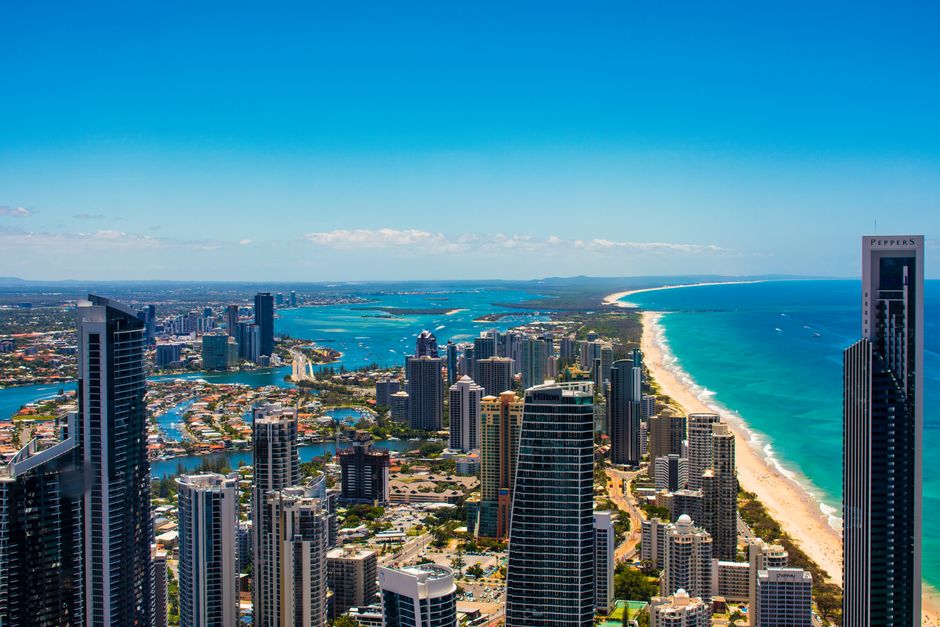
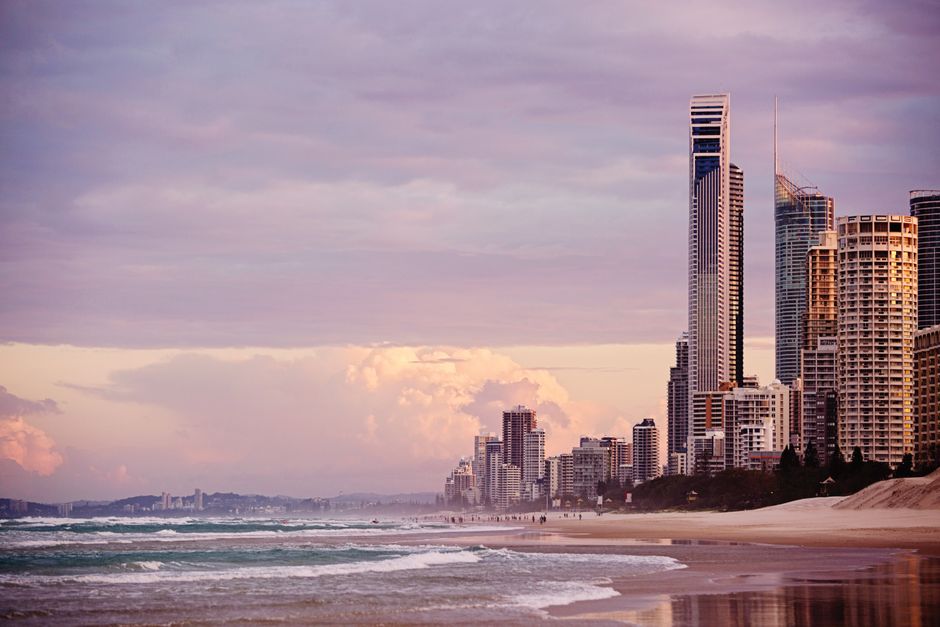
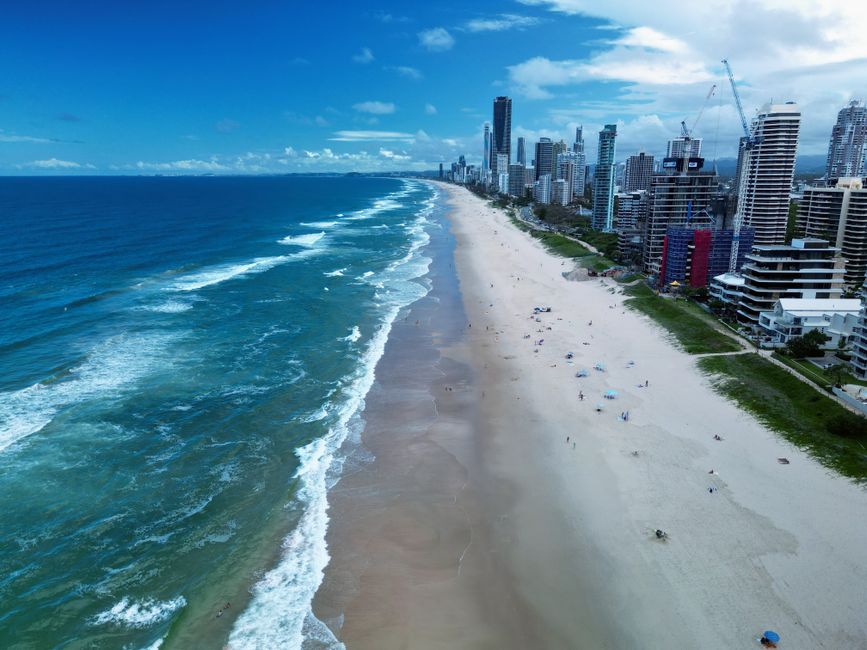
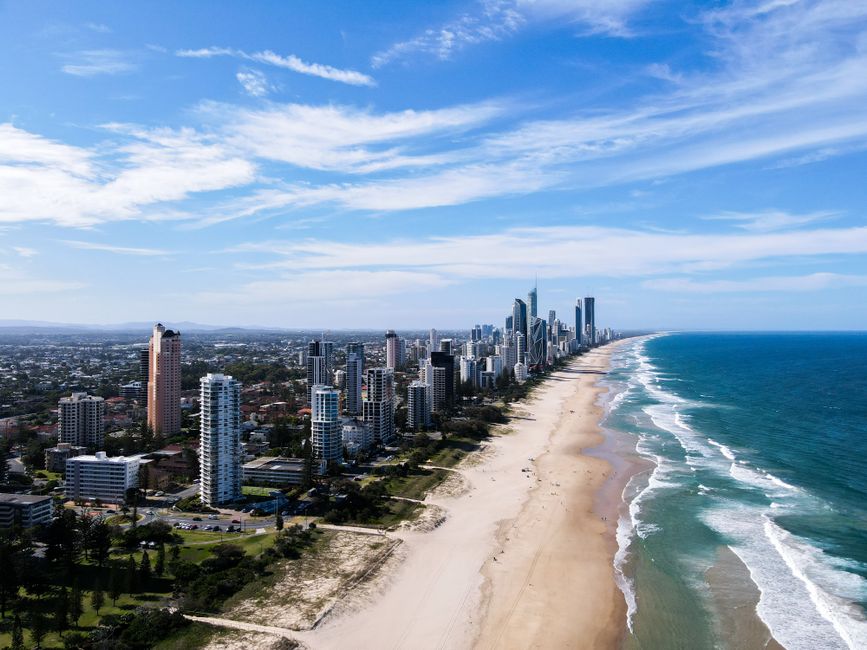
Surfers Paradise offers a different vibe entirely. The beachfront reserves here pulse with international energy, yet behind the gloss, locals frequent quieter pockets like the elevated gardens near The Esplanade, where you'll catch the genuine Gold Coast community—the one that existed before the high-rises, the one that still values sunrise walks and ocean swimming as non-negotiable lifestyle elements.
Head west to Ashmore, and you'll discover parks that function as genuine neighbourhood anchors. Here, outdoor spaces facilitate the kind of casual social infrastructure that defines residential character—Friday night markets, junior sport ovals that see three generations of families, and local school communities that organise regular park activations.
The most telling indicator of neighbourhood health on the Gold Coast isn't median house price or amenity count—it's park usage. In well-established precincts like Currumbin and Tallebudgera, the parks aren't just green infrastructure; they're social connective tissue. Local environmental groups organise regular native plantings, residents enforce informal stewardship, and the spaces develop genuine character rather than feeling like manicured corporate backdrops.
Data from the Gold Coast City Council indicates that neighbourhoods within 500 metres of quality green space report higher residential satisfaction rates and stronger community engagement metrics. It's reflected in the conversations happening on park benches—where newcomers meet long-time residents, where neighbourhood identity gets reinforced, and where the intangible texture of local character gets woven into the fabric of daily life.
For lifestyle-focused Gold Coasters, park access increasingly ranks alongside schools and proximity to beach in neighbourhood selection criteria. It's not simply about having space to exercise—it's about claiming membership in a community that has invested in collective outdoor life, and in doing so, defined itself.
This article was compiled by AI from the sources linked above and screened before publishing. See our editorial standards.
Spread the word
About this article
Published by The Daily Gold Coast
Daily brief
Free, in your inbox before 7am. Weekdays.
More from Gold Coast