Moving to a new city is daunting. Moving to one where you don't know a soul? That's where the Gold Coast's most compelling asset reveals itself: a thriving community of relocators, each with their own story of why they chose this place.
The numbers tell part of the story. The Gold Coast's population has grown to over 700,000, with international arrivals making up a significant demographic shift. Property prices in established suburbs like Ashmore and Nerang now sit around $750,000–$900,000, while beachside locales command premiums. But statistics don't capture what makes settling here actually work.
Walk through Cavill Avenue's revitalised precinct or grab coffee at one of the independent roasters dotting Currumbin, and you'll encounter people from everywhere: educators, tech workers, hospitality professionals, and retirees seeking a lifestyle shift. They've navigated visa requirements, discovered which suburbs offer the best schools, figured out the M1 motorway rhythms, and found their tribes within the sprawling city.
The Gold Coast's appeal lies partly in its infrastructure. The light rail network now connects Broadbeach through to Varsity Lakes, making car dependency less absolute. Established cultural institutions like QPAC (Queensland Performing Arts Centre) offer entertainment, while the hinterland—Tamboram and the Gold Coast hinterland towns—provides escape routes to rainforest and cool air.
But newcomers consistently cite intangible factors: the accessibility of beach culture without pretension, the café culture on James Street in Fortitude Valley's cousin neighbourhoods, and the relative ease of finding community groups and networking spaces. The Gold Coast Expat Facebook communities boast tens of thousands of active members sharing rental advice, school recommendations, and weekend hiking spots.
Practical realities matter too. Rental costs for a two-bedroom apartment range from $450–$650 weekly in accessible areas. Employment opportunities span tourism, healthcare, construction, and increasingly, remote work. The year-round warm climate removes one major adjustment burden.
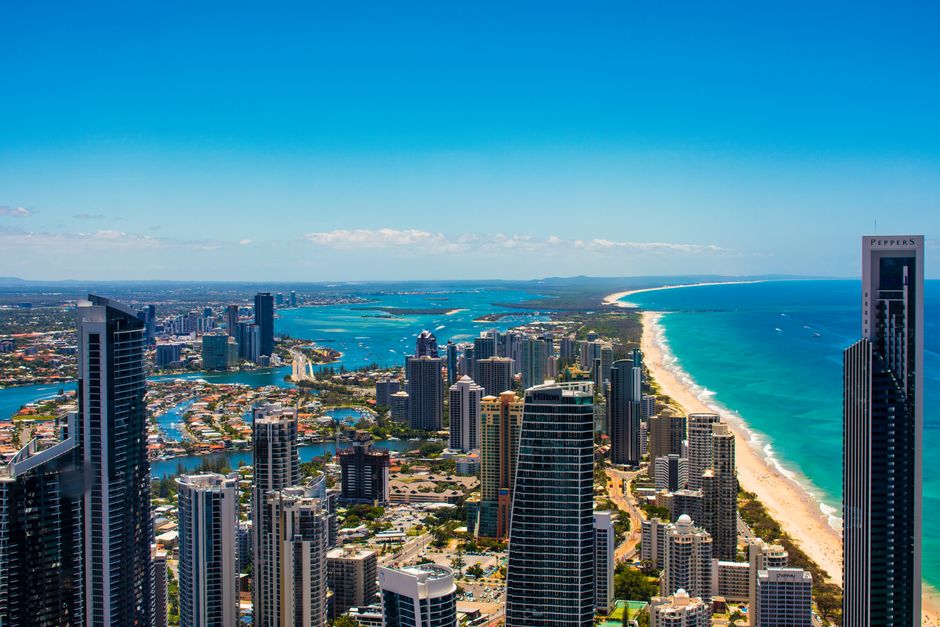
What distinguishes the Gold Coast experience is how its sprawl—often criticised—actually becomes an advantage. Multiple neighbourhood identities mean newcomers can find their fit: beachside energy in Surfers Paradise, family-focused calm in Robina, creative communities in Tallebudgera, or rural serenity further inland.
The real story of the Gold Coast isn't in its postcards. It's in the thousands of people who arrived uncertain and stayed committed—building careers, families, and friendships across this complex, ever-evolving city. That's the narrative that matters most to anyone considering the leap.
This article was compiled by AI from the sources linked above and screened before publishing. See our editorial standards.