Surfers Paradise Reinvented: Inside the Neighbourhood Character and Community Vibe Reshaping Gold Coast's Heart
Once synonymous with party culture, this iconic precinct is experiencing a quiet transformation as young professionals, families and creatives stake their claim on a neighbourhood finding its authentic pulse.
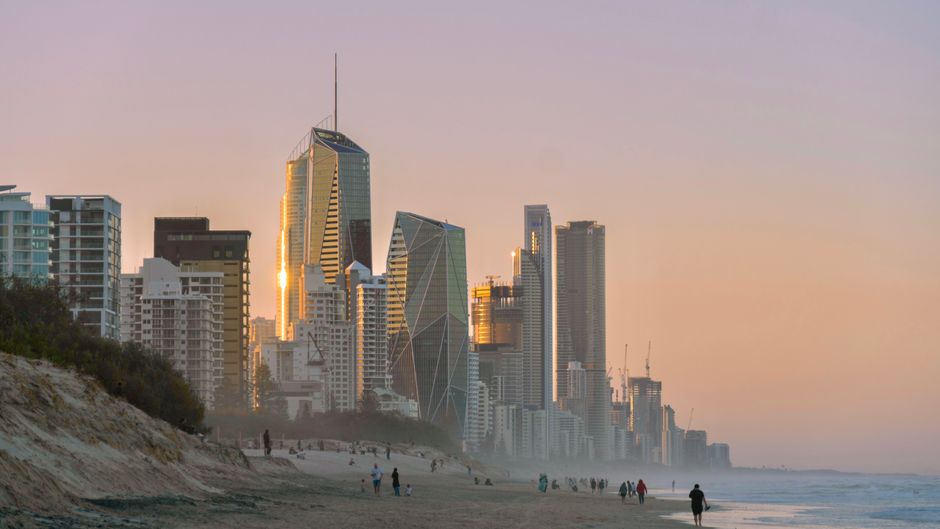
Walk along Cavill Avenue on a weekday morning and you'll notice something has shifted. The neon glow of late-night venues still flickers at street level, but above, residential apartments hum with purpose. Coffee roasters have multiplied. Independent galleries occupy shopfronts. This is modern Surfers Paradise—a neighbourhood caught between reinvention and nostalgia, and the tension is precisely what makes it compelling.
The demographic shift tells the story. According to recent Gold Coast Council data, median rent in Surfers Paradise has climbed to $580 per week for a two-bedroom apartment, attracting young professionals seeking walkable urban living. Yet it remains significantly cheaper than Brisbane's inner suburbs, creating a sweet spot for creative industries and service workers priced out elsewhere.
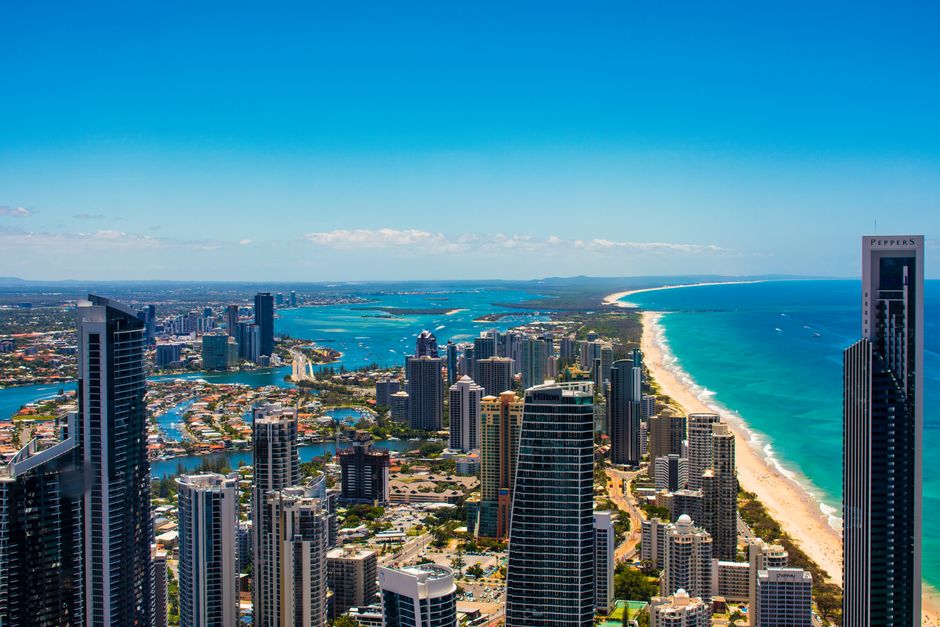
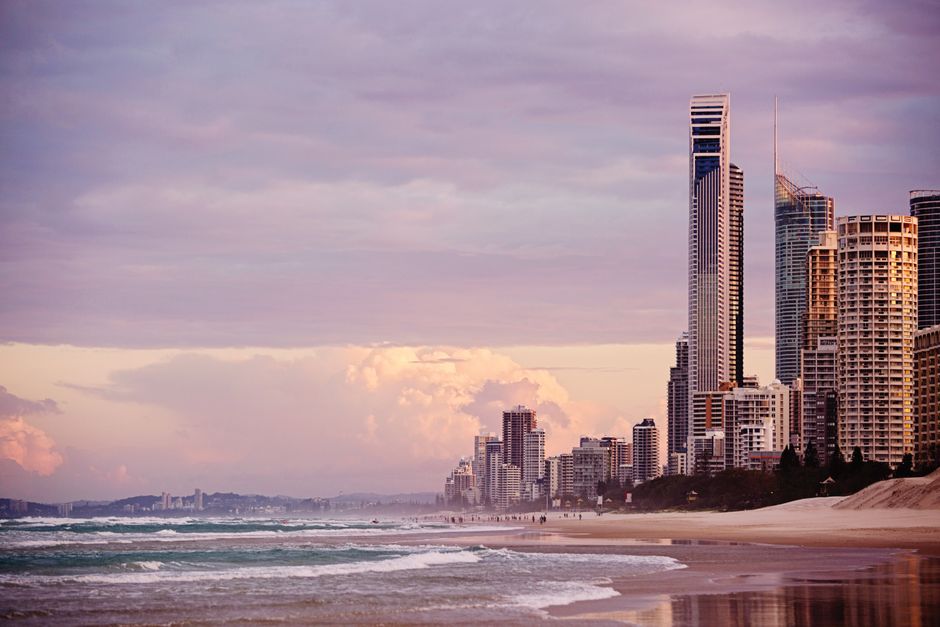
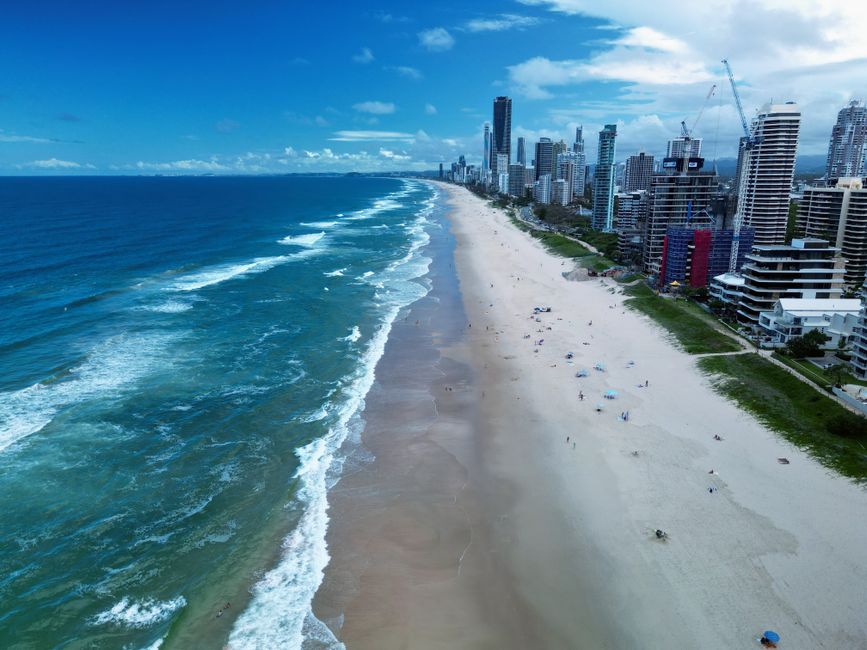
"The character here is genuinely mixed," explains the energy on Orchid Avenue, where boutique fitness studios sit beside traditional fish-and-chip shops that have served locals for decades. The Surfers Paradise Beachfront Precinct, stretching from The Esplanade toward the patrolled beaches, remains the neighbourhood's anchor—but increasingly, the action happens in pockets. The Broadbeach Mall precinct attracts families; the laneway behind Cavill Avenue hosts pop-up markets; Ferny Avenue's growing cafe scene draws remote workers.
What defines the contemporary vibe? Integration. Longtime residents—including older Italian and Greek families who established roots here in the 1970s—share streets with international students and digital nomads. The Gold Coast Cultural Precinct's growing programs create common ground, while grassroots initiatives like the Surfers Paradise Residents and Ratepayers Association actively shape neighbourhood priorities beyond tourism.
Street-level indicators reveal authentic character. The persistent Sunday markets on The Esplanade, persistent despite commercial development, draw genuine community participation. Local gyms and surf clubs remain tribal gathering spaces. Independent venues—not major chains—increasingly define dining culture, with Asian, Mediterranean, and contemporary Australian cuisines reflecting the neighbourhood's international makeup.
Not everything is polished. Surfers Paradise still carries its gritty edges: peak-hour congestion, occasional tourist-related disruption, and the ongoing tension between heritage preservation and development. Yet these frictions create authenticity. The neighbourhood isn't pretending to be something it isn't.
For those considering relocation, the appeal is clear: urban convenience, beach proximity, cultural diversity, and genuine community participation—minus the premium price tag of established southern capitals. Surfers Paradise remains a work in progress, but increasingly, that's precisely the neighbourhood's strength.
This article was compiled by AI from the sources linked above and screened before publishing. See our editorial standards.
See something wrong? Suggest a correction and help us keep Gold Coast reporting accurate.
Have your say
Loading comments…
About this article
Published by The Daily Gold Coast
This article was produced by the The Daily Gold Coast editorial desk and covers lifestyle in Gold Coast. See our editorial standards for how we use AI.
Daily brief
Enjoyed this? Wake up to Gold Coast news every morning.