From Tourist Trap to Treasure Hunt: How Gold Coast Markets Are Reinventing Themselves
Local markets are shedding their souvenir-shop image to become genuine community hubs where artisans, independent retailers and savvy shoppers are reshaping the neighbourhood experience.
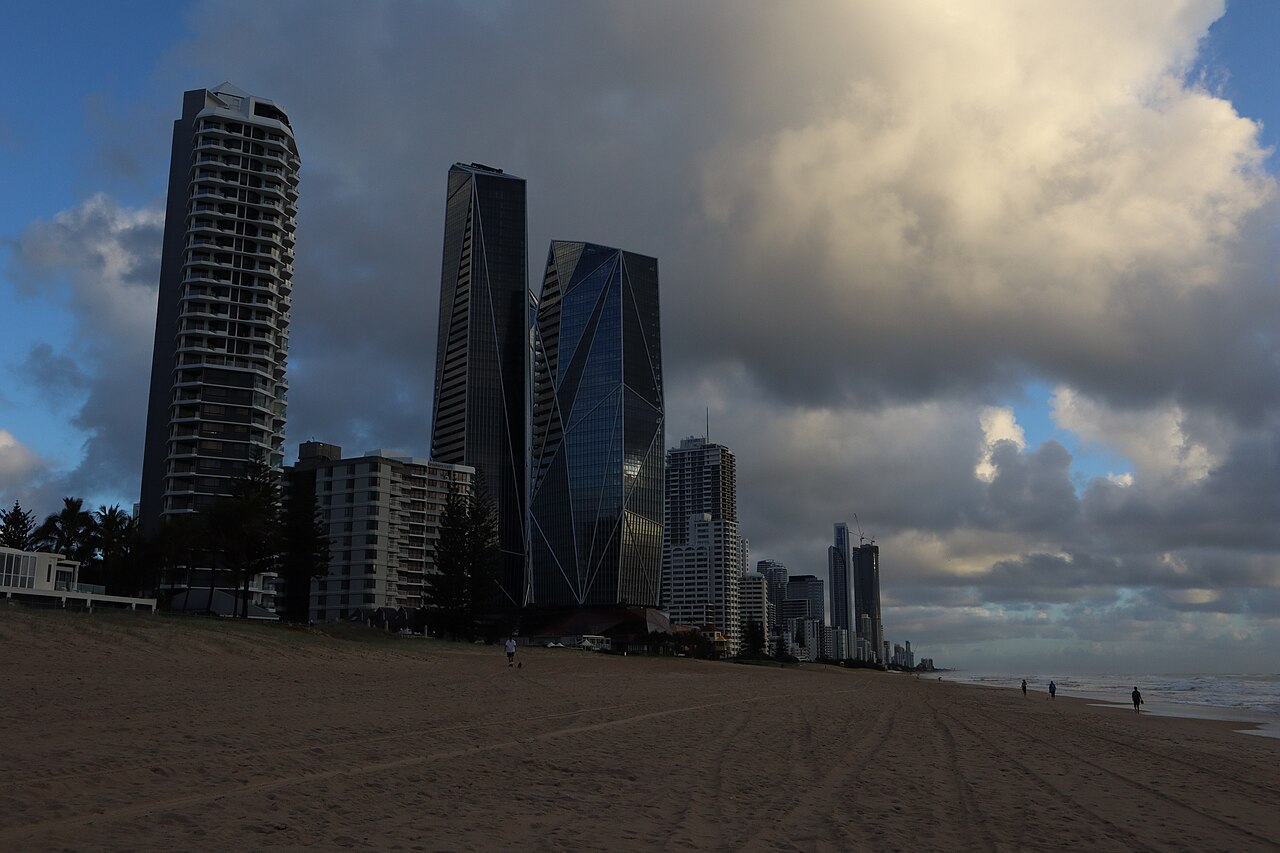
Walk through Surfers Paradise Markets on a Saturday morning in 2026, and you'll notice something markedly different from the tourist-focused sprawl of a decade ago. The transformation is subtle but unmistakable: where cheap imports once dominated, local makers now claim prime real estate. The shift reflects a broader evolution reshaping Gold Coast retail culture, with independent vendors and neighbourhood-focused shopping experiences increasingly displacing the generic gift-shop aesthetic that once defined the coast.
The change is most visible in the heart of Surfers Paradise, where the markets have undergone significant curation. Over the past three years, the proportion of locally-made goods has grown from roughly 40 per cent to nearly 70 per cent of stall offerings, according to market organisers. Jewellery makers, textile artists, and small-batch food producers now outnumber imported accessories vendors—a conscious shift toward supporting local creators and attracting residents rather than just tour groups.
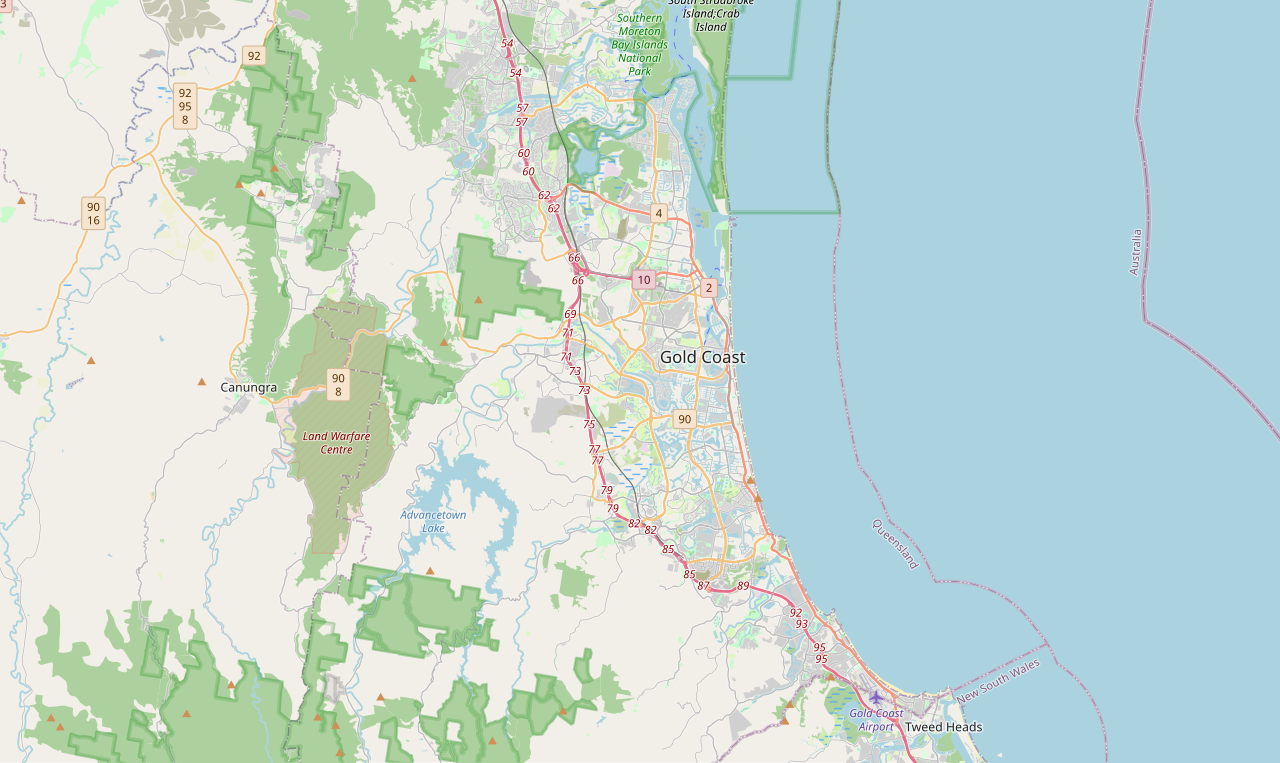
But it's not just Surfers Paradise leading this charge. Coolangatta's beachside markets, once predictable in their offerings, have become destinations for independent fashion designers and sustainable homeware brands. Similarly, the emerging Burleigh Heads precinct—particularly along James Street—has become an incubator for boutique retail spaces that prioritise quality over volume and authenticity over accessibility.
The retail landscape is also adapting to changing consumer expectations. Pop-up markets across the Broadwater foreshore and traditional weekend fixtures in Southport are increasingly featuring ethical fashion, zero-waste retailers, and maker collectives. Prices reflect this positioning: while a generic beachwear cover-up might have cost $25 five years ago, locally-designed equivalents now command $55-$85, yet attract steadily growing customer bases willing to invest in provenance and quality.
What's driving this evolution? Partly, it's the post-pandemic consumer appetite for authentic experiences and direct artist engagement. But it's also demographic: younger Gold Coast residents and relocated professionals are deliberately seeking alternatives to shopping mall culture, preferring neighbourhood markets that reflect local creativity and values.
Local council initiatives have supported the transition, with simplified vendor licensing and extended trading permits encouraging permanent installations in previously ad-hoc market locations. The Surfers Paradise Foreshore Authority and Broadwater precinct management have invested in improved infrastructure—better lighting, weather protection, and parking—transforming markets from seasonal afterthoughts into year-round community fixtures.
The transformation isn't complete, and traditional souvenir retailers haven't disappeared. But the trajectory is clear: Gold Coast markets are becoming less about hawking mass-produced trinkets and increasingly about celebrating local talent, sustaining independent businesses, and creating genuine neighbourhood gathering spaces. For residents seeking authentic shopping experiences, the timing couldn't be better.
This article was compiled by AI and screened before publishing. See our editorial standards.
See something wrong? Suggest a correction and help us keep Gold Coast reporting accurate.
Have your say
Loading comments…
About this article
Published by The Daily Gold Coast
This article was produced by the The Daily Gold Coast editorial desk and covers lifestyle in Gold Coast. See our editorial standards for how we use AI.
Daily brief
Enjoyed this? Wake up to Gold Coast news every morning.