Where Gold Coast's Soul Lives After Dark: Inside the Neighbourhoods Defining Our Nightlife Culture
From Surfers Paradise to Broadbeach, the Gold Coast's bar scene reveals far more about community identity than cocktail menus ever could.
From Surfers Paradise to Broadbeach, the Gold Coast's bar scene reveals far more about community identity than cocktail menus ever could.
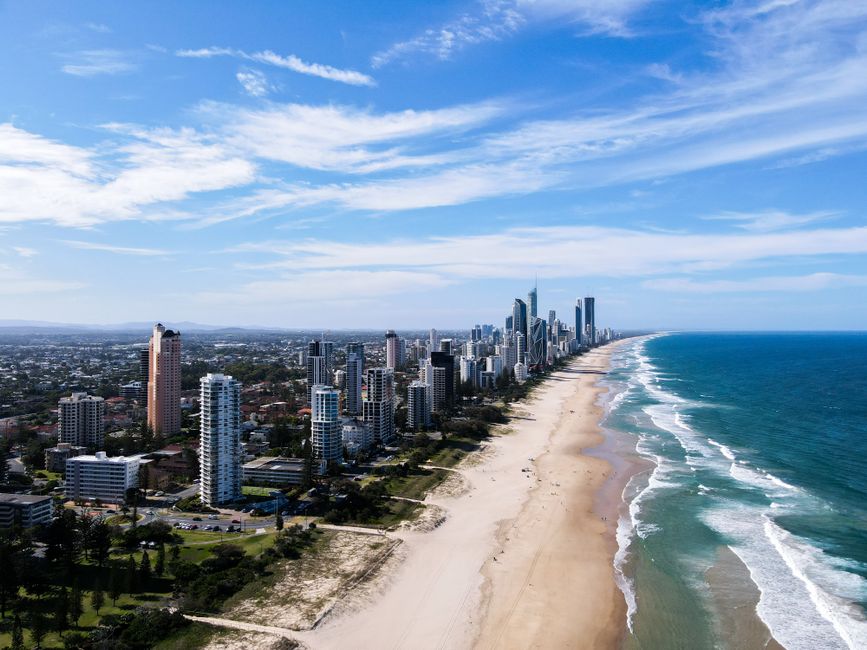
Walk down Cavill Avenue on a Friday night and you'll witness Gold Coast nightlife in its most recognisable form—neon-lit, energetic, designed for maximum visibility. But venture into the laneways and side streets of our city's drinking districts, and you'll discover something more textured: neighbourhoods with distinct personalities shaped by who gathers there, what they value, and how they've chosen to build community.
Broadbeach remains the city's social pivot point. The precinct's 47 licensed venues—from craft beer havens to sophisticated wine bars—attract a deliberately mixed crowd: young professionals from the nearby office towers, interstate visitors, longtime locals who've watched the neighbourhood mature. The character here is aspirational but accessible, reflected in the $15–18 cocktail range and the visible investment in heritage-style bars alongside sleek new openings. The vibe suggests a neighbourhood confident enough to embrace both tradition and evolution.
Contrast that with the Southport laneway culture, where independent operators have quietly built something more intimate. Small bars with 30–50 capacity create what urban planners call "third spaces"—neither work nor home, but genuine community anchor points. These venues, clustered around the CBD's quieter stretches, attract regulars who know staff by name and prioritise conversation over spectacle. The $12–16 drinks pricing reflects genuine hospitality economics rather than beachfront markup.
Surfers Paradise, predictably, caters to tourism-first sensibilities. High-volume venues, themed experiences, and strategic positioning near accommodation create a transactional atmosphere—efficient, energetic, but largely impersonal. Yet even here, pockets of character persist: smaller bars on side streets where local bartenders maintain genuine engagement despite the churn.
What's emerged across Gold Coast neighbourhoods since 2024 is a deliberate segmentation. Data from the Office of Liquor and Gaming Regulation suggests venue operators increasingly target specific community demographics rather than pursuing broad appeal. Broadbeach venues invested $2.3 million in renovations last year; many Southport venues invested under $100,000, prioritising authenticity over amenity.
The Sunday session culture—once a novelty—now anchors neighbourhood identity. Broadbeach's afternoon gatherings feel aspirational and photo-worthy. Southport's feel genuinely social. Both serve the same function: giving locals a predictable place to belong.
That's ultimately what distinguishes Gold Coast's nightlife neighbourhoods. Not the venues themselves, but the unspoken contracts between proprietors and patrons about what community means in each pocket of our sprawling city.
This article was compiled by AI from the sources linked above and screened before publishing. See our editorial standards.
Spread the word
About this article
Published by The Daily Gold Coast
Daily brief
Free, in your inbox before 7am. Weekdays.
More from Gold Coast