Gold Coast Schools and Family Life Hit a Sweet Spot—Here's What's Changed
From new wellness hubs to flexible learning models, parents say the city's education and family landscape has transformed dramatically in 2026.
From new wellness hubs to flexible learning models, parents say the city's education and family landscape has transformed dramatically in 2026.
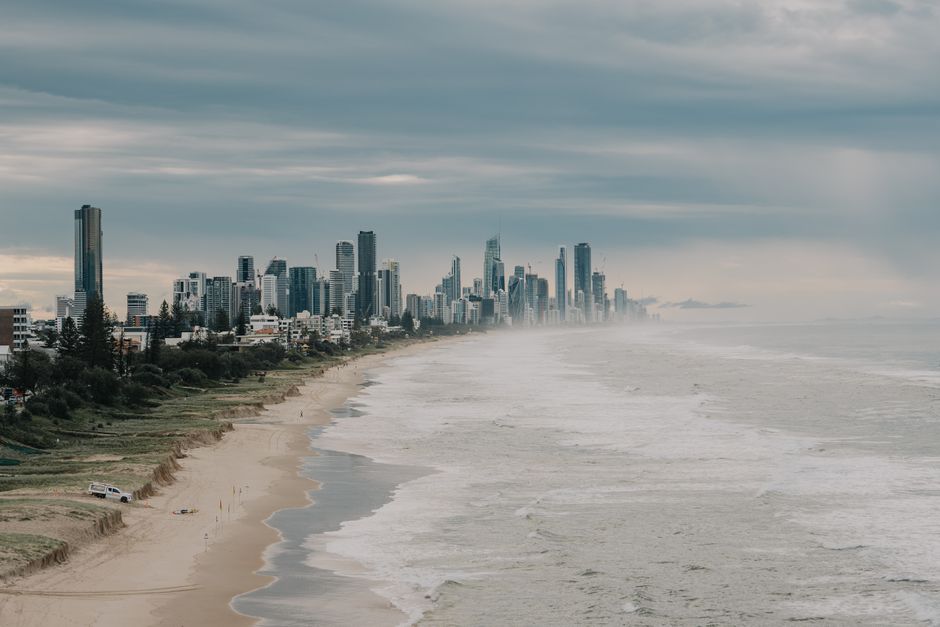
Walk through Surfers Paradise or Broadbeach on a weekday afternoon, and you'll notice something different from even two years ago: more families, more smiling parents, and a palpable sense that Gold Coast has finally cracked the code on modern family living.
The shift has been incremental but unmistakable. New wellness-focused primary schools across the hinterland suburbs—Tallebudgera Valley and Mudgeeraba in particular—have introduced mandatory outdoor learning days and mindfulness programs, tapping into a broader parental appetite for holistic education beyond traditional classroom metrics. Combined with three new family recreation centres opening along the coastal strip since early 2025, parents now have genuine alternatives to the screen-heavy routines that dominated the pandemic years.
"School fees haven't budged much, hovering around $18,000 to $22,000 annually for independent schools," says local education advocate Sarah Chen, reflecting on publicly available data. "But what you're getting for that investment has genuinely improved. More flexibility, better mental health support, actual community partnerships."
The infrastructure upgrade has been crucial. The Gold Coast City Council's $40 million Family Life Initiative, greenlit in late 2025, funded everything from expanded after-school care facilities in Ashmore and Southport to improved playgrounds across residential suburbs like Upper Coomera. Perhaps more importantly, it normalized conversation around parental burnout—something that felt almost taboo three years ago.
Flexible schooling arrangements have also gained traction. Several established schools now offer hybrid models combining remote and in-campus learning, acknowledging that one-size-fits-all education doesn't serve Gold Coast's uniquely mobile population. Parents working in tourism, hospitality, or the booming tech sector in Southport's digital precinct particularly appreciate the breathing room.
Local parents also credit improved public transport connections—the expanded light rail network reaching closer to school zones in Robina and Mermaid Beach—with reducing school-run stress. Fewer cars idling on Ashmore Road during peak hours means less congestion and, anecdotally at least, calmer mornings.
"It's not perfect," acknowledges one Broadbeach resident. "Childcare costs are still eye-watering. But there's a sense that the city finally understands what modern families actually need."
Whether it's the proliferation of family-friendly dining precincts in Surfers Paradise, the new parenting support services embedded in community health hubs, or simply a cultural shift toward normalizing work-life balance, Gold Coast has become noticeably more livable for families in 2026. That's worth celebrating.
This article was compiled by AI from the sources linked above and screened before publishing. See our editorial standards.
Spread the word
About this article
Published by The Daily Gold Coast
Daily brief
Free, in your inbox before 7am. Weekdays.
More from Gold Coast