New to the Gold Coast? Here's What Locals Actually Want You to Know
Skip the tourist guides—we asked longtime residents what really matters when you're settling into Australia's lifestyle capital.
Skip the tourist guides—we asked longtime residents what really matters when you're settling into Australia's lifestyle capital.
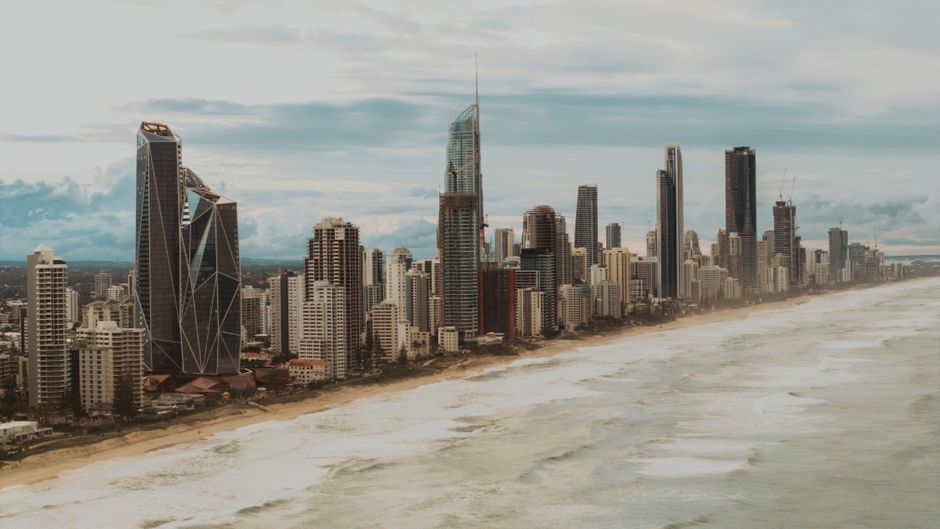
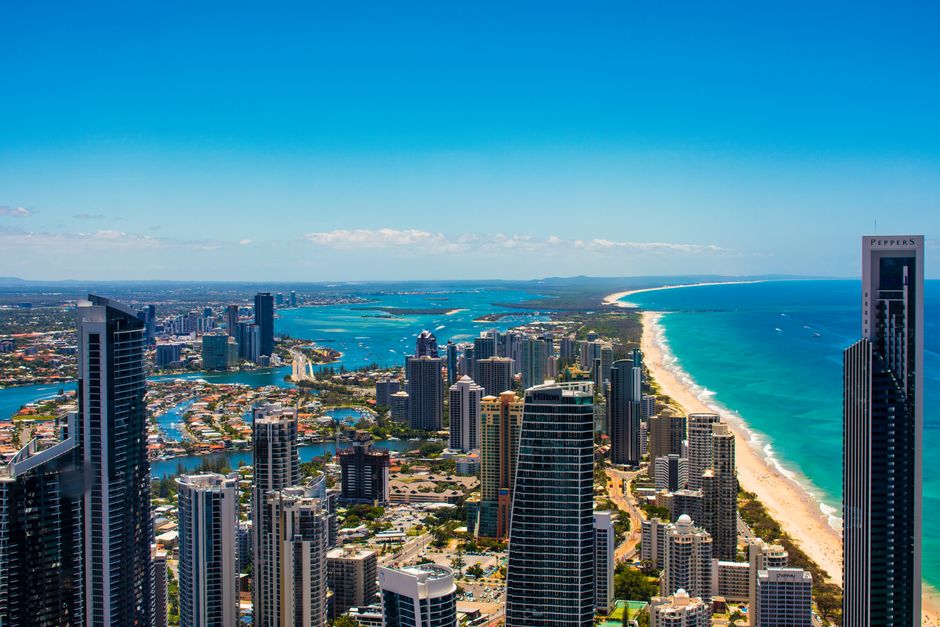
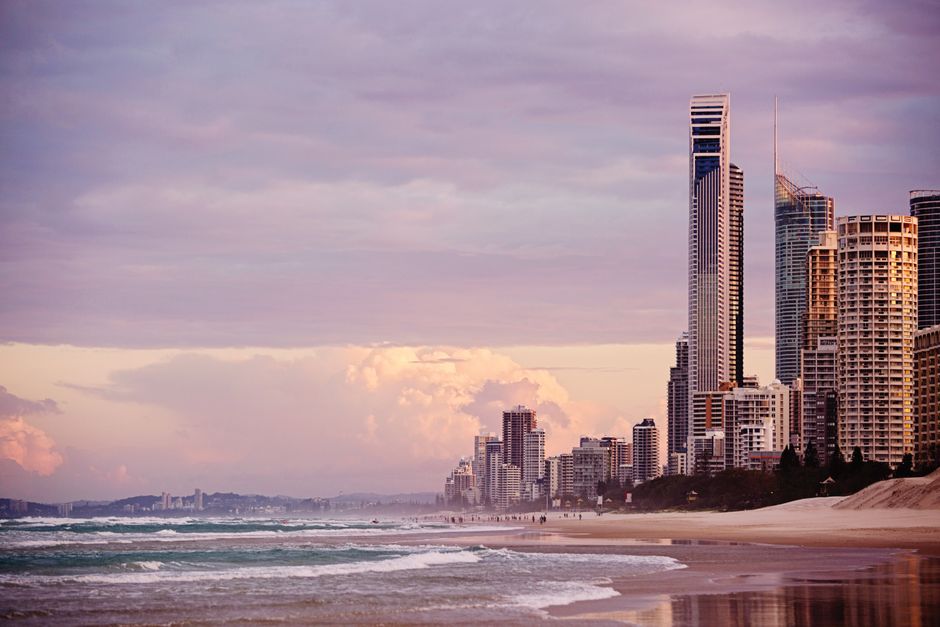
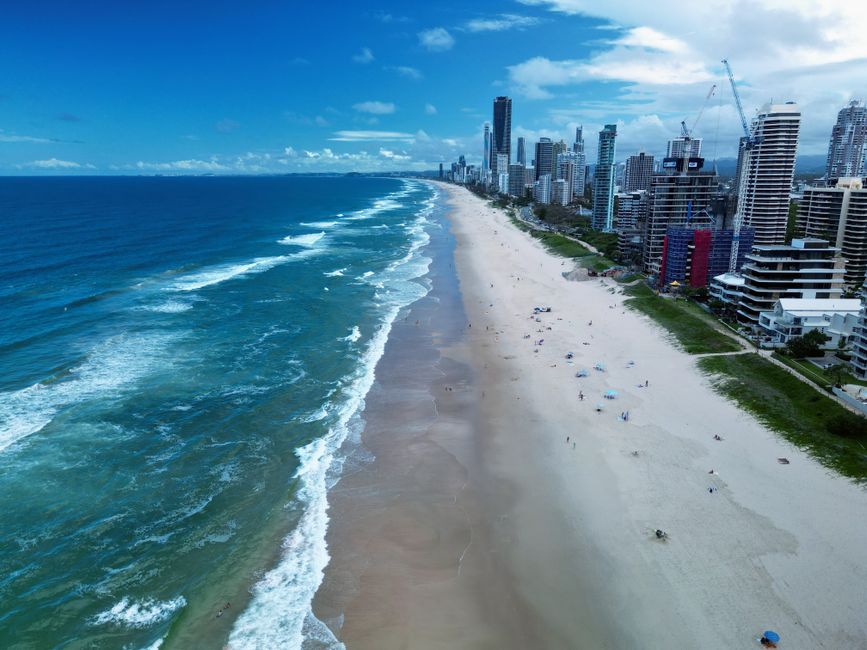
Moving to the Gold Coast isn't just about the beaches and year-round sunshine. The real challenge, according to those who've made the leap, is understanding the rhythm of a city that's equal parts glamorous playground and practical, growing metropolis.
"Everyone arrives thinking they'll live beachside," explains the relocation advice community at Gold Coast Business & Professional Women's Network. "The truth is, establishing yourself means looking beyond Surfers Paradise." Neighbourhood choice matters enormously. Broadbeach offers proximity to restaurants and nightlife but comes with price tags that rival inner-city Sydney—expect $600,000+ for a modest apartment. Inland suburbs like Ashmore and Boomerang offer more breathing room, with family homes ranging $500,000–$700,000, though you'll trade ocean views for a 15-minute drive to the beach.
Transport catches newcomers off guard. While the light rail network along the beachfront (Southport to Surfers Paradise) is growing, most residents rely on cars. Budget accordingly for fuel and registration, and factor in notorious school-run congestion on the M1 motorway during peak hours. Public transport works best for CBD workers heading to the Surfers Paradise corridor.
Employment dynamics shift depending on your industry. Tourism, hospitality, construction, and healthcare dominate local hiring. Professional services gravitate toward the Surfers Paradise business district and the emerging tech hubs around Southport. Networking is essential—many positions fill through connections before appearing online. The Gold Coast Chamber of Commerce and industry-specific meetups offer genuine entry points.
Cost of living surprises many arrivals. While housing prices are lower than Sydney or Melbourne, groceries, childcare, and entertainment rival major capitals. Expect to spend 15–20% more on everyday items than regional Queensland, and childcare fees run $100–$130 per day for full-time care.
Social integration requires intention. The transient nature of tourism work and interstate migration means communities form around shared interests rather than neighbourhood proximity. Joining clubs, volunteering, or taking classes at local libraries accelerates friendships. Southport and Burleigh offer strong community cultures, while beachfront suburbs can feel more transactional.
Lifestyle expectations matter most. Yes, the weather is genuinely excellent—over 300 sunny days annually. But humidity peaks December to February, and summer storms are intense. Bushfire season (September to November) affects air quality inland. Those seeking active outdoor living thrive; those expecting perpetual holiday vibes often feel disappointed within months.
The honest takeaway from established residents: the Gold Coast rewards those who treat it as a real home, not a extended holiday. Build networks early, choose your neighbourhood carefully based on lifestyle rather than postcodes, and embrace the city's hybrid identity as both a global destination and an increasingly complex place to actually live well.
This article was compiled by AI from the sources linked above and screened before publishing. See our editorial standards.
Spread the word
About this article
Published by The Daily Gold Coast
Daily brief
Free, in your inbox before 7am. Weekdays.
More from Gold Coast