The Faces Behind Gold Coast's Family Revolution: How Local Parents Are Redefining What It Means to Raise Kids Here
From Surfers Paradise playgrounds to Ashmore schools, the stories of Gold Coast families reveal a city reinventing itself as a place where connection, diversity and community matter most.
On a Tuesday morning at Tallebudgera Valley, kindergarten teacher Maria Garcia watches twenty three-year-olds negotiate the sandpit with the kind of focus usually reserved for peace talks. It's a scene playing out across Gold Coast schools, where educators are increasingly focused on social-emotional learning alongside traditional academics. "Parents here are hungry for something different," Garcia reflects. "They've moved here for lifestyle, yes, but they're staying because of community."
The numbers bear this out. Gold Coast's school population has grown by 18 per cent over the past five years, with families choosing the region over Brisbane and Sydney. At venues like the Broadwater Parklands, where multigenerational gatherings have become weekend fixtures, you'll find young professionals, remote workers and tradies united by a shared priority: raising kids in a place where they can actually breathe.
In Ashmore, the beating heart of family life remains the local shopping precincts and parks where neighbours still know each other's names. Parents juggle $8,500-plus annual primary school fees at private institutions alongside public school alternatives, each making choices that reflect the city's increasingly sophisticated parenting culture. The debate isn't about which school costs more—it's about values, whether that's Montessori philosophy, STEM focus, or bilingual education.
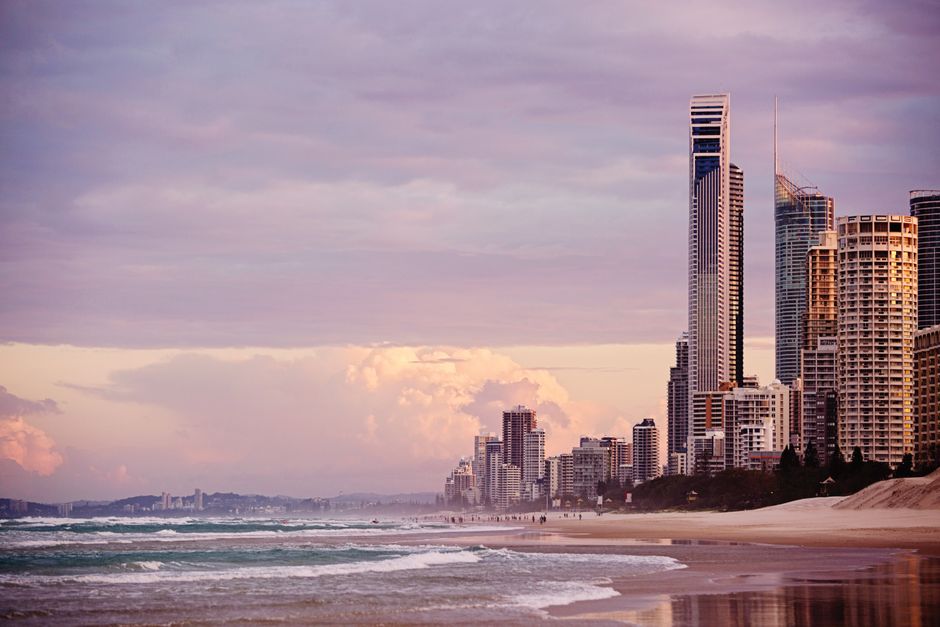
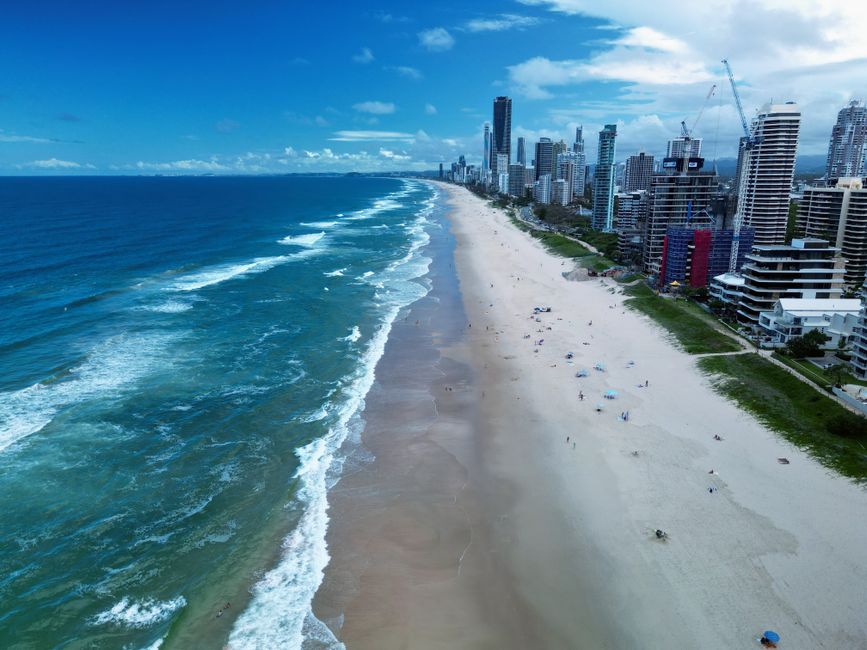
What makes Gold Coast parenting distinctive is its refusal to choose between ambition and wellbeing. On Surfers Paradise beaches, you'll see investment bankers teaching their kids to bodysurf before 7 a.m. stands. In Tallebudgera, homeschooling collectives have formed around shared learning philosophies. In Robina, the newer suburban precincts host thriving community gardens where school-age children learn about food security from families who've migrated from across Australia and the world.
The diversity itself is the story. Gold Coast's population includes families from over 150 nations, creating school environments that mirror genuine multiculturalism rather than performing it. Parents speak about this advantage constantly: their children grow up with classmates whose grandmothers cook different foods, celebrate different festivals, and speak different languages at home.
Yet challenges remain. Housing affordability has forced some families further inland to suburbs like Coomera, extending commutes and fracturing the tight-knit dynamics of beachside communities. School infrastructure struggles to keep pace with growth. But in conversations with dozens of local parents, what emerges is resilience and intentionality—people who chose Gold Coast precisely because they wanted something different for their families, and who are building that vision together, one playground, one classroom, one neighbourhood at a time.
This article was compiled by AI from the sources linked above and screened before publishing. See our editorial standards.
See something wrong? Suggest a correction and help us keep Gold Coast reporting accurate.
Have your say
Loading comments…
About this article
Published by The Daily Gold Coast
This article was produced by the The Daily Gold Coast editorial desk and covers lifestyle in Gold Coast. See our editorial standards for how we use AI.
Daily brief
Enjoyed this? Wake up to Gold Coast news every morning.