Broadbeach and Surfers Paradise Are Reinventing Themselves—And Locals Can't Get Enough
After a major cultural and commercial shake-up over the past 18 months, Gold Coast's most iconic neighbourhoods are finally delivering what residents have been waiting for.
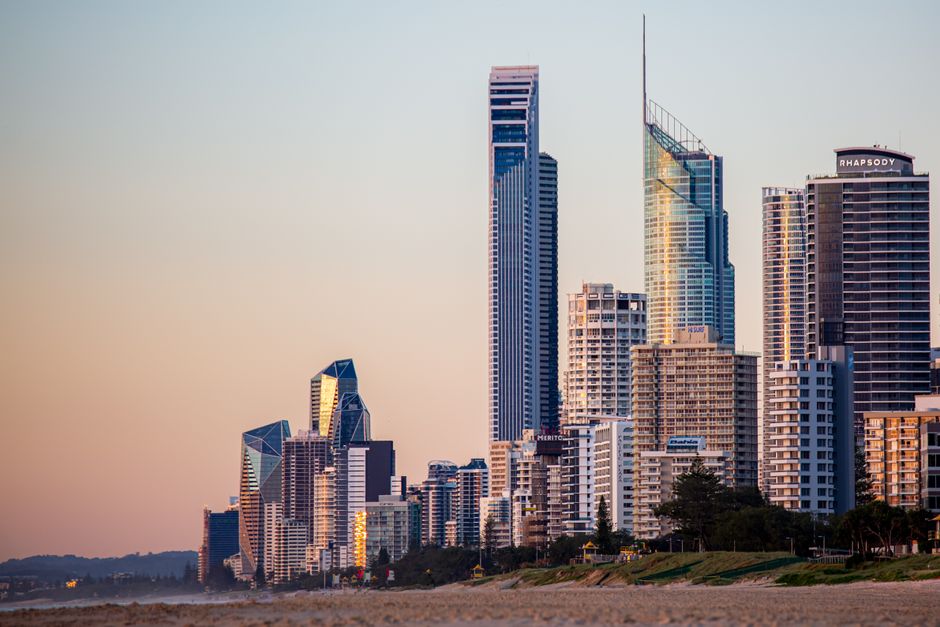
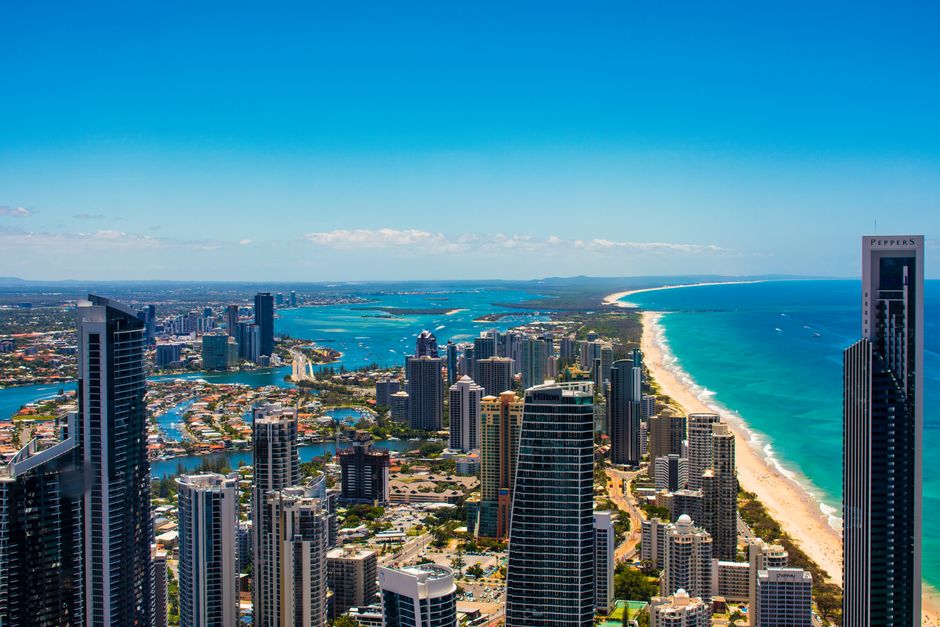
Walk down Broadbeach Boulevard on a Friday evening and you'll notice something different. The streetscape that once felt dominated by chain restaurants and tourist traps now pulses with independent cafés, boutique fitness studios, and galleries showcasing local artists. It's a transformation that's been quietly reshaping how Gold Coasters actually live in their own backyard.
The catalyst? A combination of factors. The completion of the revamped Broadbeach foreshore precinct last year introduced wide, tree-lined walkways and public gathering spaces that have fundamentally altered foot traffic patterns. Meanwhile, a string of new regulations introduced by the Gold Coast City Council in early 2025 incentivised small business owners to set up shop in the CBD cores rather than sprawling commercial zones further inland. The result: neighbourhoods that feel lived-in rather than purely transactional.
"What's shifted is the demographic," notes the community activity at the newly expanded Broadbeach Library and Cultural Centre, which has become an unexpected social hub since its June 2024 reopening. Young families, remote workers, and retirees are choosing these areas not just for the beach proximity—that was always there—but for the infrastructure and sense of genuine community.
Surfers Paradise has undergone its own evolution. The controversial closure of Cavill Avenue to through-traffic in 2025 created pedestrian-only zones that transformed the strip from a chaotic tourist corridor into something more like a European piazza. Local businesses reported a 34% increase in foot traffic within three months, according to the Gold Coast Chamber of Commerce. Independent operators have seized the opportunity: vintage fashion stores now sit alongside wellness centres and craft breweries that simply couldn't afford rent when cars dominated the street.
Property prices tell part of the story. While beachside apartments remain premium, mid-range residential stock in both neighbourhoods has stabilised after years of speculative investment, making these areas accessible again to actual residents rather than investors alone.
The public realm improvements—better lighting, native plantings, upgraded cycling infrastructure—have also made these neighbourhoods safer and more inviting after dark, shifting the evening economy away from purely alcohol-focused venues toward dinner, cultural events, and community markets.
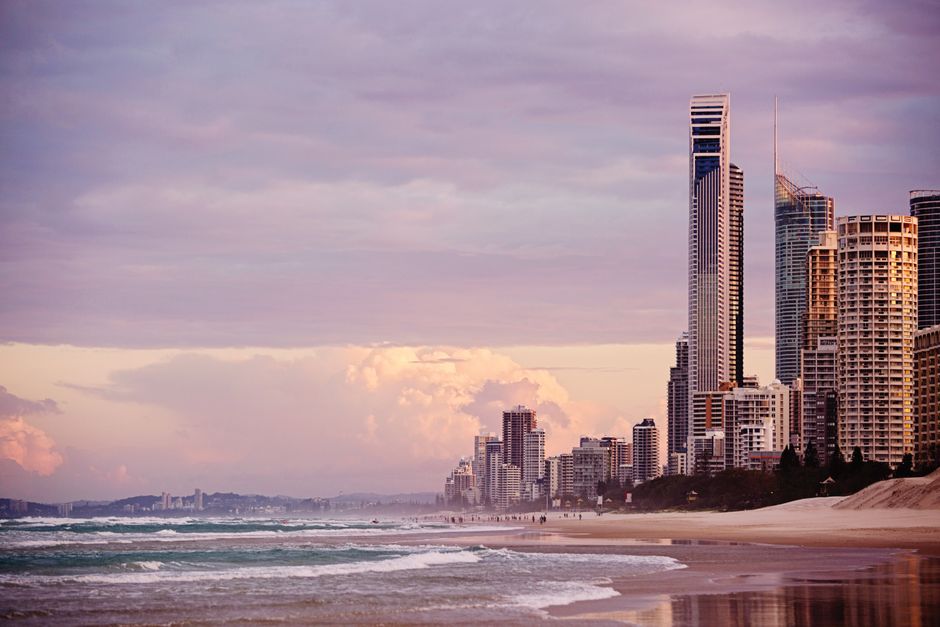
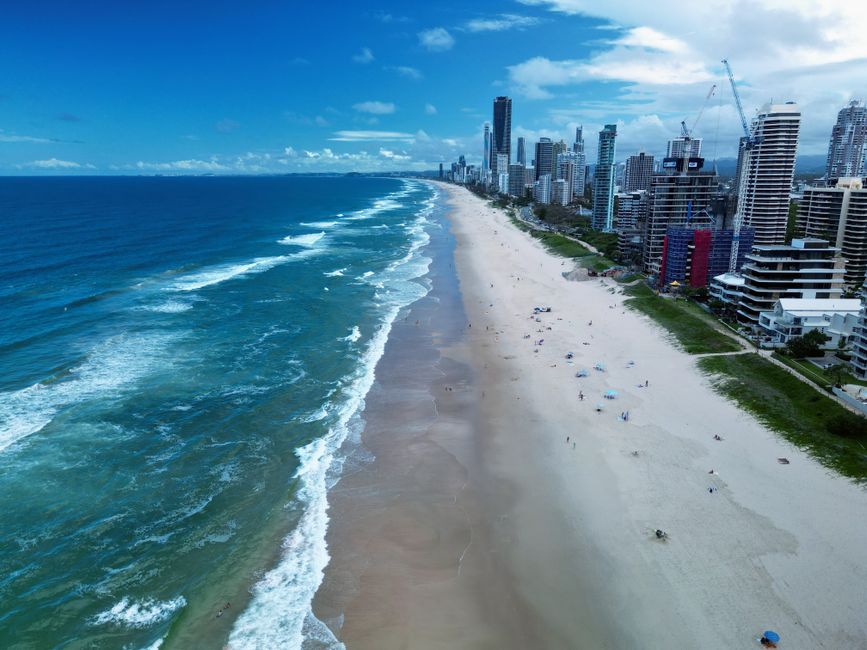
For locals, the shift represents something overdue: the reclamation of their own neighbourhoods from an identity built entirely around tourism. The beaches remain spectacular. Now, finally, there's something worth staying for beyond the sand.
This article was compiled by AI from the sources linked above and screened before publishing. See our editorial standards.
See something wrong? Suggest a correction and help us keep Gold Coast reporting accurate.
Have your say
Loading comments…
About this article
Published by The Daily Gold Coast
This article was produced by the The Daily Gold Coast editorial desk and covers lifestyle in Gold Coast. See our editorial standards for how we use AI.
Daily brief
Enjoyed this? Wake up to Gold Coast news every morning.