Surfers Paradise Reinvents Itself: From Party Central to Purpose-Driven Community Hub
Once synonymous with late-night excess, the Gold Coast's most iconic neighbourhood is quietly transforming into a vibrant mixed-use precinct where young professionals, families and creatives are reshaping what it means to live beachside in 2026.
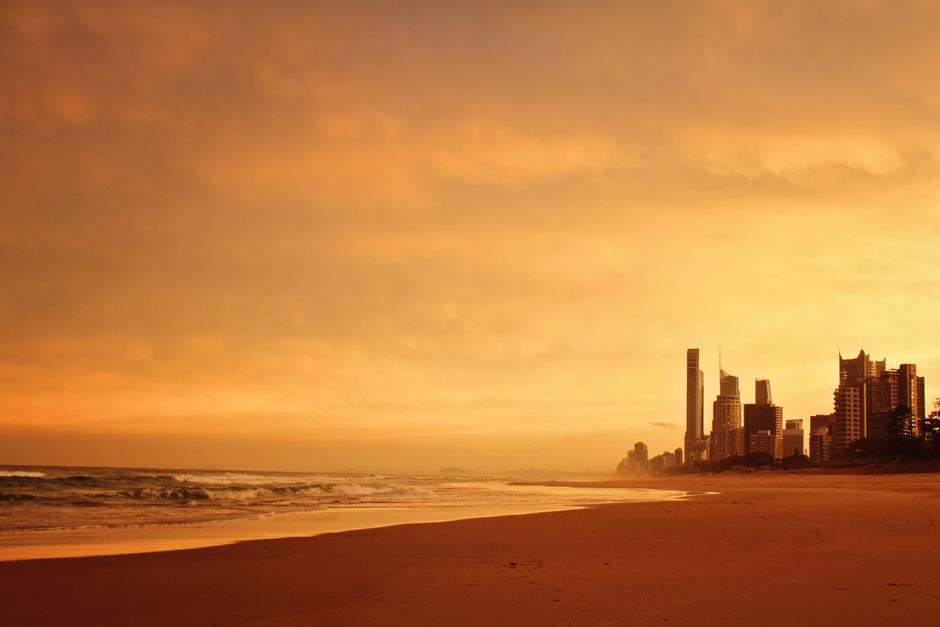
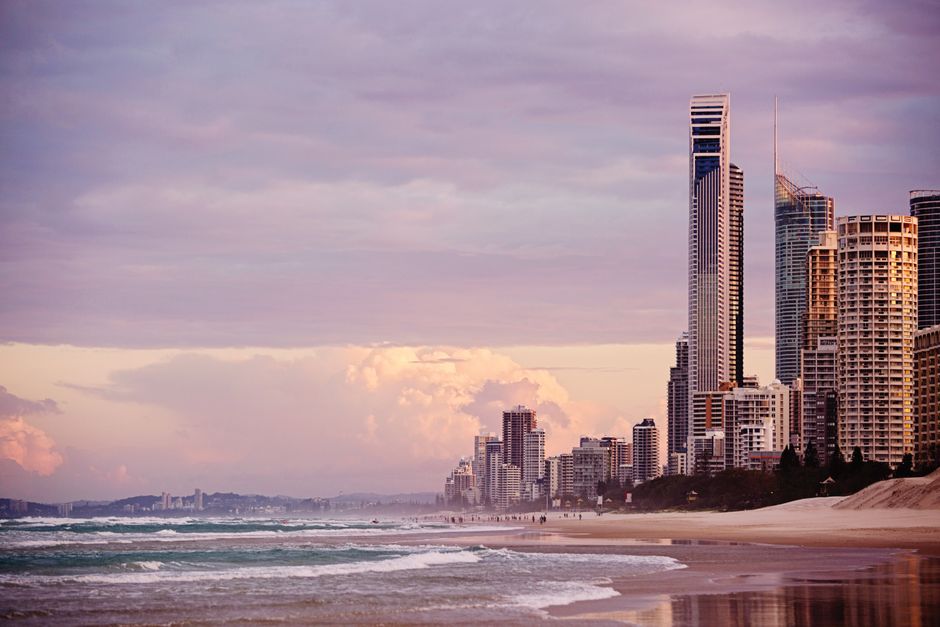
Walk down Cavill Avenue on a Wednesday morning and you'll notice something has shifted on the Gold Coast's most recognisable strip. The neon glow has dimmed, but the energy remains—just recalibrated. Over the past 18 months, Surfers Paradise has undergone a subtle but unmistakable evolution, shedding its reputation as a purely nightlife destination to emerge as a genuinely liveable neighbourhood with serious cultural and community credentials.
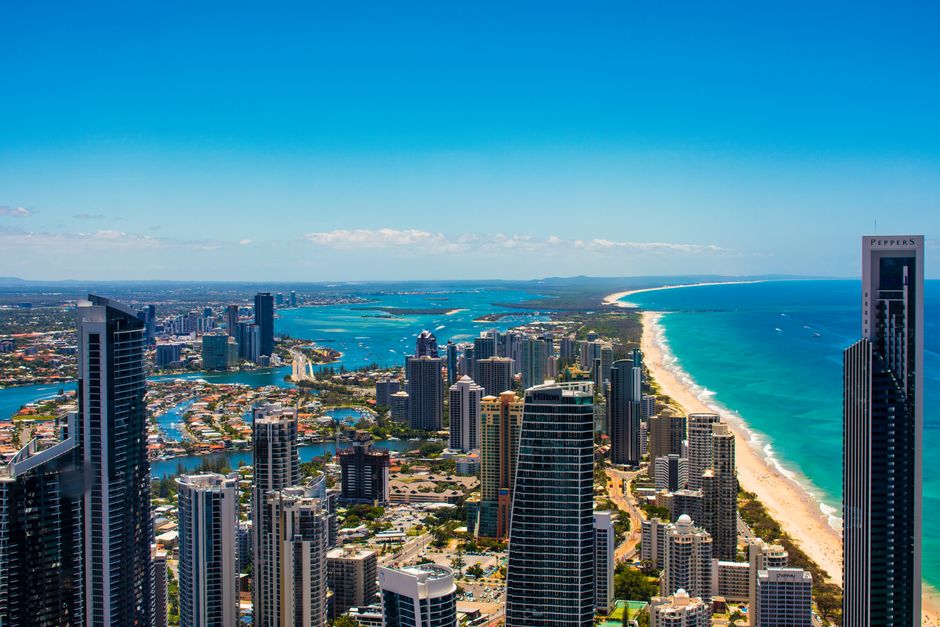
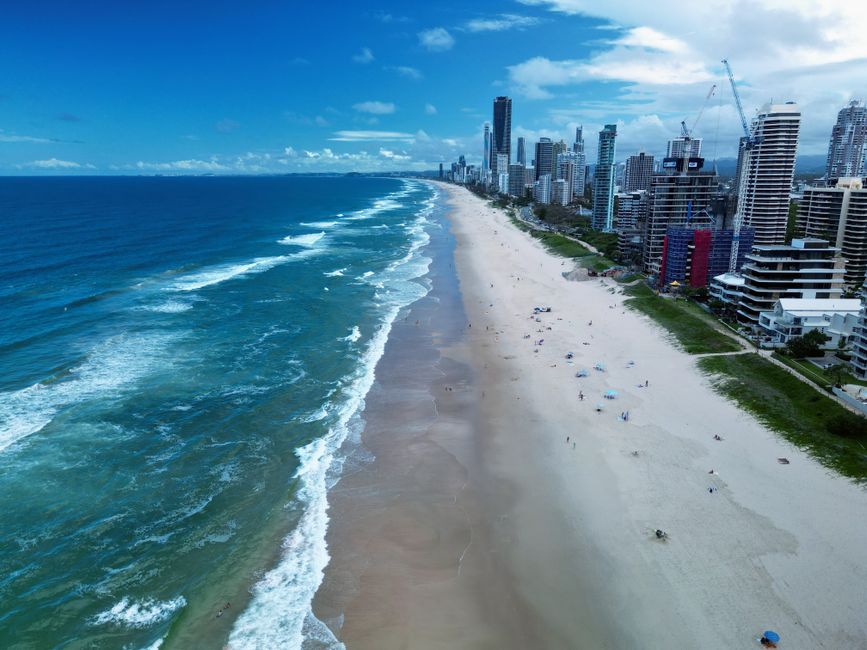
The numbers tell part of the story. Residential apartment occupancy in the beachfront precincts between The Esplanade and Gold Coast Highway has climbed to 87 per cent, according to local property data, with an increasing proportion occupied by permanent residents rather than tourists. Young families and remote workers have begun choosing Surfers over peripheral suburbs, drawn by walkability and proximity to schools like Southport State High School and the newly expanded Gold Coast Hospital campus.
Behind this shift sit deliberate community initiatives. The Surfers Paradise Alliance—a coalition of local businesses, residents and the Gold Coast City Council—has invested significantly in streetscape improvements and programming. The weekly Farmers Markets now anchor the corner of Elkhorn Avenue, while pop-up creative spaces have replaced several shuttered retail frontages. The Helix arts venue on Ferny Avenue has become a genuine cultural drawcard, hosting everything from independent film screenings to emerging musician showcases.
For incoming residents, the lifestyle calculus has changed too. Rents have stabilised—a one-bedroom apartment now averages $2,200–$2,600 monthly, down from peak pandemic rates—making the neighbourhood accessible to professionals priced out of Brisbane's inner-city markets. The Surfers Paradise Foreshore Reserve has undergone significant upgrades, with improved cycling infrastructure and community gardens attracting weekend foot traffic beyond the beach itself.
Not everyone celebrates the shift. Some long-standing venue operators lament the regulatory tightening around licensed premises, part of council efforts to reduce the neighbourhood's party-destination branding. Yet others see it as natural maturation. The demographic mix—increasingly skewing younger professional rather than gap-year tourist—requires different amenities: quality coffee roasters, collaborative workspaces, boutique fitness studios and family-friendly dining.
The question now is whether Surfers can sustain this balance. Gentrification pressures are real, with heritage-listed buildings attracting developer interest. Community groups are vocal about preserving authentic character while welcoming new investment. What seems certain is that Surfers Paradise is no longer defined by what it's escaping, but by what it's actively building.
This article was compiled by AI from the sources linked above and screened before publishing. See our editorial standards.
See something wrong? Suggest a correction and help us keep Gold Coast reporting accurate.
Have your say
Loading comments…
About this article
Published by The Daily Gold Coast
This article was produced by the The Daily Gold Coast editorial desk and covers lifestyle in Gold Coast. See our editorial standards for how we use AI.
Daily brief
Enjoyed this? Wake up to Gold Coast news every morning.