Why Gold Coast Parents Are Raising Kids Differently Than the Rest of the World
From outdoor classroom culture to the 'work-life beach balance', this city's approach to family life rewrites the parenting playbook.
From outdoor classroom culture to the 'work-life beach balance', this city's approach to family life rewrites the parenting playbook.
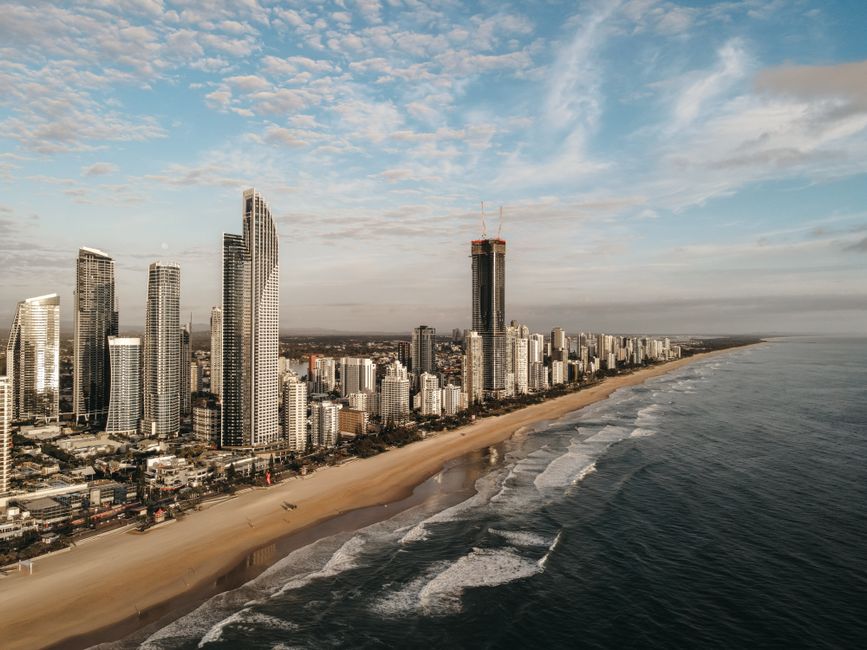
Ask a parent in London about their child's weekly schedule, and you'll hear a litany of after-school tutoring, commutes across congested suburbs, and weekend extracurriculars squeezed between work commitments. Ask a Gold Coast parent the same question, and the answer often looks radically different—and that distinction is reshaping how families here think about childhood entirely.
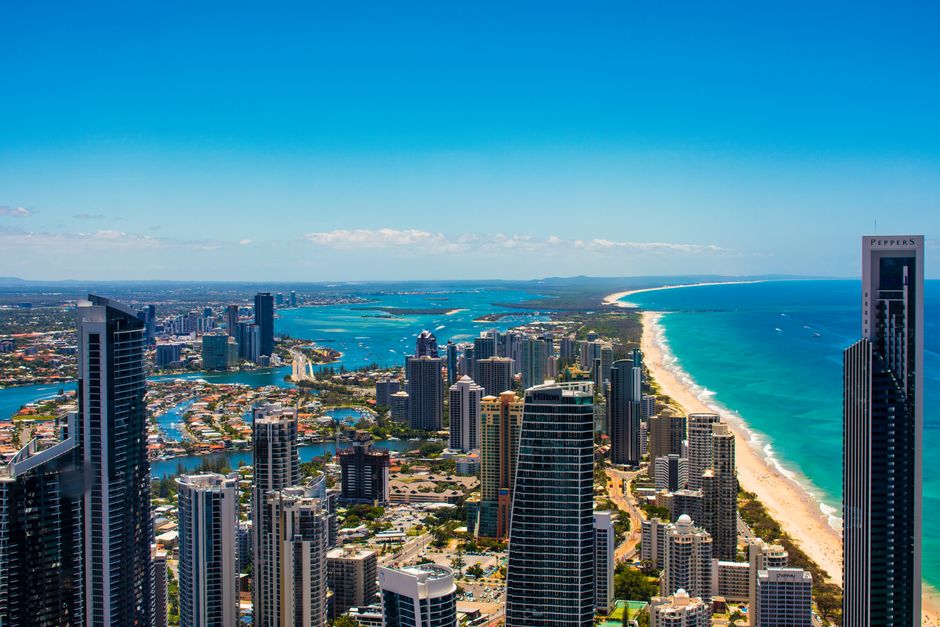
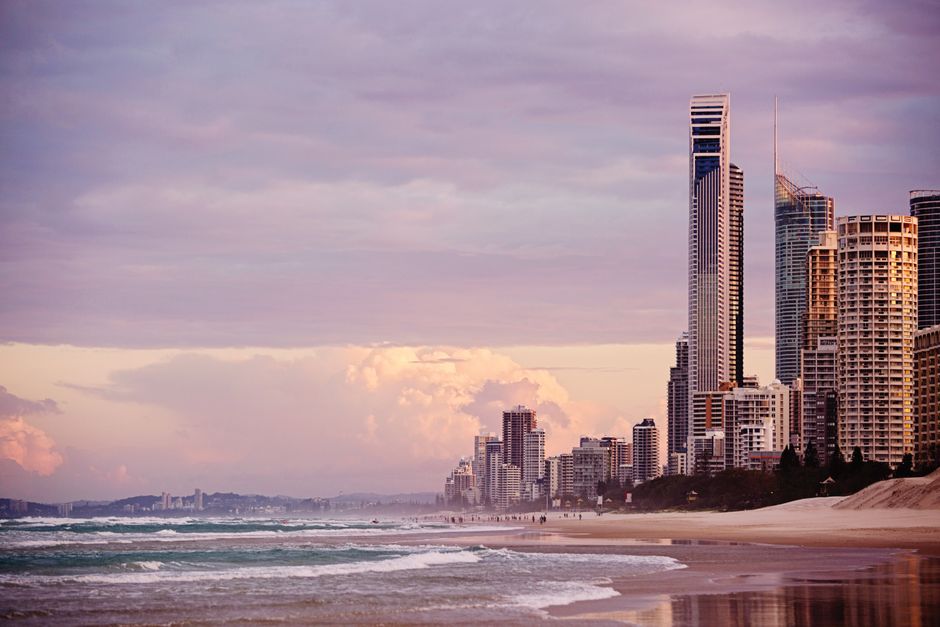
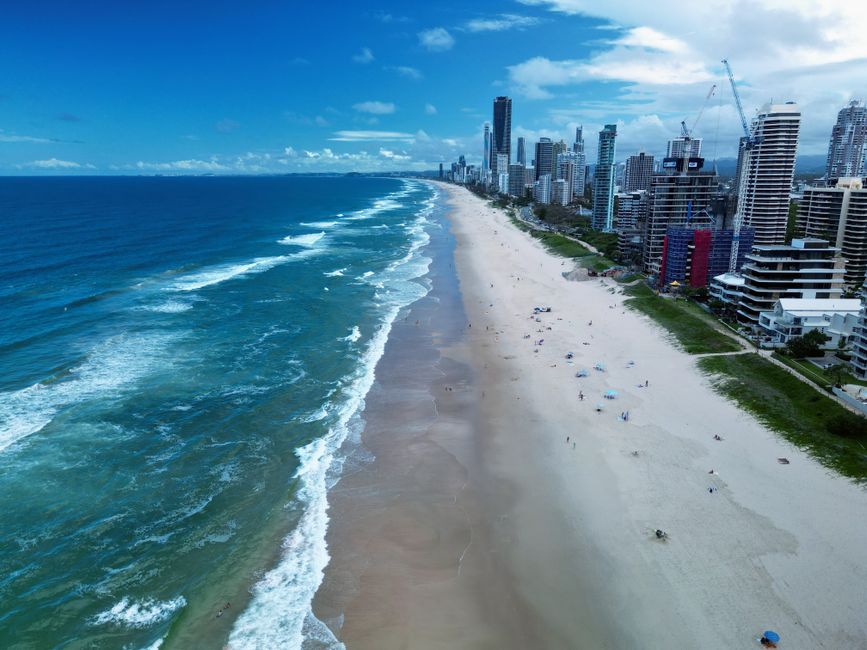
What makes parenting on the Gold Coast uniquely distinctive isn't one factor, but a constellation of lifestyle choices that few other global cities can genuinely offer. The year-round 300 days of sunshine isn't merely pleasant weather; it's infrastructure for a fundamentally different approach to child development. Schools across Surfers Paradise, Broadbeach, and the hinterland suburbs increasingly embrace outdoor learning models that would be logistically impossible in Melbourne winters or London's perpetual drizzle. Children here learn to swim before they learn to read—not as an aspirational goal, but as practical necessity in a city where beaches are communal backyards.
The 'work-life beach balance' phenomenon is distinctly Gold Coast. Parents working in the CBD or nearby business districts often negotiate flexible arrangements that allow them to collect children from school, squeeze in a coastal walk before dinner, or work from home with ocean views. This isn't Silicon Valley's performative flexibility; it's enabled by the city's relatively compact geography and a business culture that recognizes what neuroscientists increasingly confirm: childhood development thrives when families have genuine downtime together.
School fees here average $15,000–$28,000 annually for private institutions like Ashmore State School and premier independent options, competitive with Sydney and Melbourne—but Gold Coast families consistently report better value. Smaller class sizes, integrated outdoor curricula, and lower staff turnover mean children often develop deeper relationships with educators. The hinterland schools around Tamboram and natural attractions offer environmental education that urban-bound peers simply cannot access.
Perhaps most distinctively, the Gold Coast has built a cultural expectation that childhood involves genuine outdoor play. Parks like Currumbin Beachfront Reserve and the sprawling reserves across the Southport waterfront serve as informal community classrooms where spontaneous learning happens daily. Compare this to cities where supervised, scheduled activities dominate, and you see a parenting philosophy fundamentally shaped by geography.
The data reflects this: Gold Coast has some of Australia's highest youth wellbeing indicators, with lower reported anxiety and depression rates among school-age children compared to major southern capitals. Mental health professionals attribute this partly to outdoor access, community connection, and reduced commute-related family stress.
It's not paradise without complexities—rapid development, housing costs, and education inequality persist. But for families seeking a childhood model where outdoor play, flexibility, and community aren't luxuries but structural realities, Gold Coast offers something increasingly rare: a city designed, almost accidentally, for the way human children actually thrive.
This article was compiled by AI from the sources linked above and screened before publishing. See our editorial standards.
Spread the word
About this article
Published by The Daily Gold Coast
Daily brief
Free, in your inbox before 7am. Weekdays.
More from Gold Coast