News
G:link: The Tram That Changed How the Gold Coast Moves
The light rail has transformed transport and development along its spine.
News
The light rail has transformed transport and development along its spine.
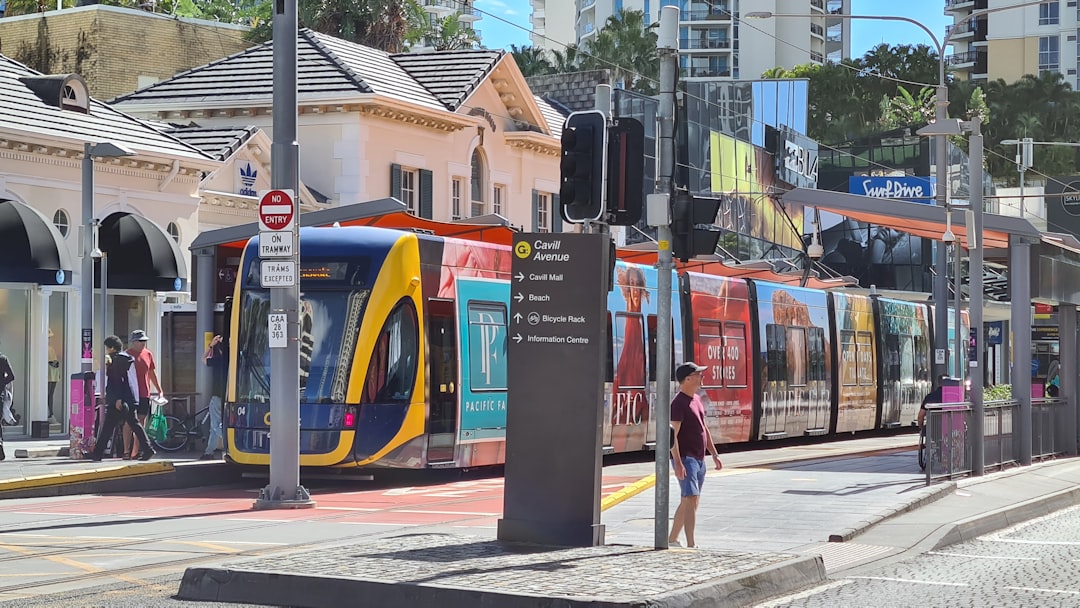
The Gold Coast light rail, branded G:link, has become one of the most successful public transport investments in Queensland, demonstrating that a city built around cars and tourists can develop a mass transit culture when the alignment connects the places people actually want to go. The tram's route from Helensvale in the north through Southport, Surfers Paradise, and Broadbeach to Burleigh Heads in south carries passenger numbers that have consistently exceeded the projections used to justify the project investment.
The light rail's influence on development along its spine has been substantial, with transit-oriented development projects concentrated around stations providing the high-density residential and commercial floor space that the accessibility created by the tram makes economically viable. The relationship between the tram's alignment and the development that follows it demonstrates the land value and development intensity effects that urban economists have documented in other cities' light rail investments.
The extension of the line to the Gold Coast Airport at Coolangatta, now complete, provides the connection that tourism advocates had long identified as critical for capturing the visitor spending that previously was lost to accommodation providers along the airport approach rather than distributed along the full tourist strip. The airport connection also provides Coolangatta and the southern Gold Coast with public transport access to the northern precincts that the car-dominated corridor previously only served by bus.
Frequency improvements on the G:link service, with trains running every 7.5 minutes during peak periods, provide the service level that encourages spontaneous use rather than requiring the timetable planning that infrequent services demand. The frequency investment reflects an understanding that public transport's mode share depends on the convenience of service as much as on the coverage of the network.
This article was compiled by AI from the sources linked above and screened before publishing. See our editorial standards.
About this article
Published by The Daily Gold Coast
More in News