finance
Gold Coast Cost of Living 2026, What It Really Costs to Live on the Gold Coast
Gold Coast cost of living 2026: what you'll pay for rent, groceries, transport, utilities and dining on the Gold Coast, including the true cost of the beach lifestyle.
How we reported this
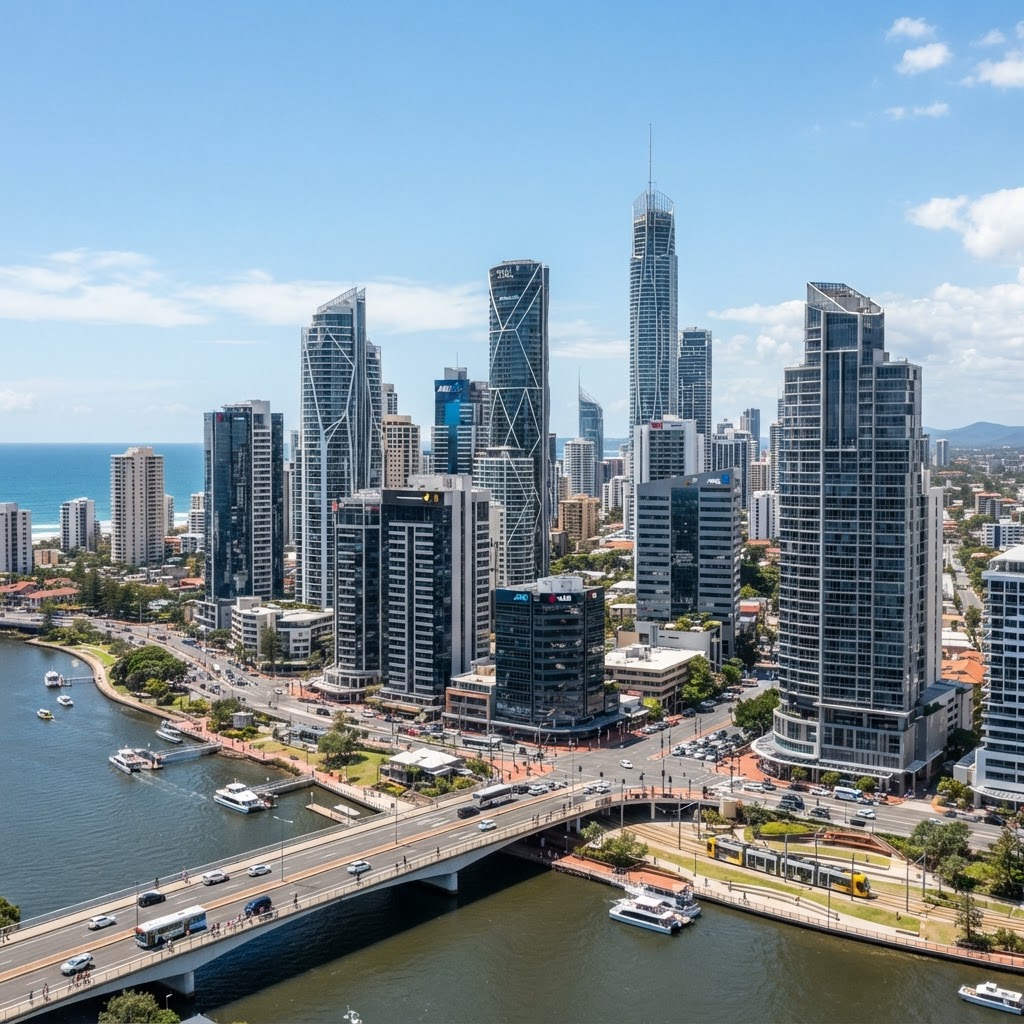
Gold Coast Cost of Living 2026, Overview
The Gold Coast attracts residents with its beach lifestyle, warm climate and (historically) lower costs than Sydney and Melbourne. However, the Gold Coast's rapid price growth in recent years, driven by interstate migration, infrastructure investment and the 2032 Olympics effect, has pushed housing and lifestyle costs significantly higher. The Gold Coast now sits closer to Brisbane's cost profile than the affordable alternative it represented pre-2020. Still, the lifestyle value proposition, world-class surf beaches, year-round sunshine, theme parks and the hinterland, is widely considered excellent by new arrivals from expensive capital cities.
Gold Coast Rent Costs 2026
- 1-bedroom apartment (beachside), $400-$700 per week in Surfers Paradise, Broadbeach or Burleigh Heads.
- 2-bedroom apartment (beachside), $550-$900 per week in prime coastal locations.
- 3-bedroom house (hinterland suburbs), $450-$750 per week in Robina, Mudgeeraba, Nerang or Coomera.
- Short-term furnished rentals, Significantly higher for furnished apartments suitable for short-term stays in the tourist zones.
Gold Coast Grocery and Food Costs
- Weekly groceries (single person), Approximately $70-$120 per week. The Gold Coast has Woolworths, Coles, Aldi and IGA options across the city, with generally competitive pricing.
- Coffee, $4.80-$5.80 at a Gold Coast cafe. The beachside cafe strip at Burleigh and Mermaid Beach commands premium prices.
- Lunch, $13-$22. Food courts at Pacific Fair and Robina Town Centre offer more affordable options than beachfront venues.
- Dinner (mid-range), $25-$45 per person at a mid-range Gold Coast restaurant. Broadbeach and Surfers Paradise restaurant strips command higher prices; hinterland options are more affordable.
Gold Coast Transport Costs
- go card, The Gold Coast uses Queensland's Translink go card for the GoldLinQ light rail (G:link tram between Southport, Surfers Paradise and Broadbeach Waters), buses and trains to Brisbane. Extending to Coolangatta and Burleigh Heads.
- Car dependency, The Gold Coast's sprawling nature means a car is near-essential for most residents. Gold Coast traffic congestion on the M1 Pacific Motorway can significantly extend commute times.
This article was compiled by AI and screened before publishing. See our editorial standards.
This article is general information only and is not personal financial or investment advice. Consider your own circumstances and seek licensed professional advice before making financial decisions.