finance
Oil Climb to $74.59 Threatens Fuel Costs for Gold Coast Tourism and Transport Firms
A steep rise in crude prices alongside a near-flat ASX 200 leaves local operators and SMSF holders facing higher input costs with little offset from equities.
How we reported this
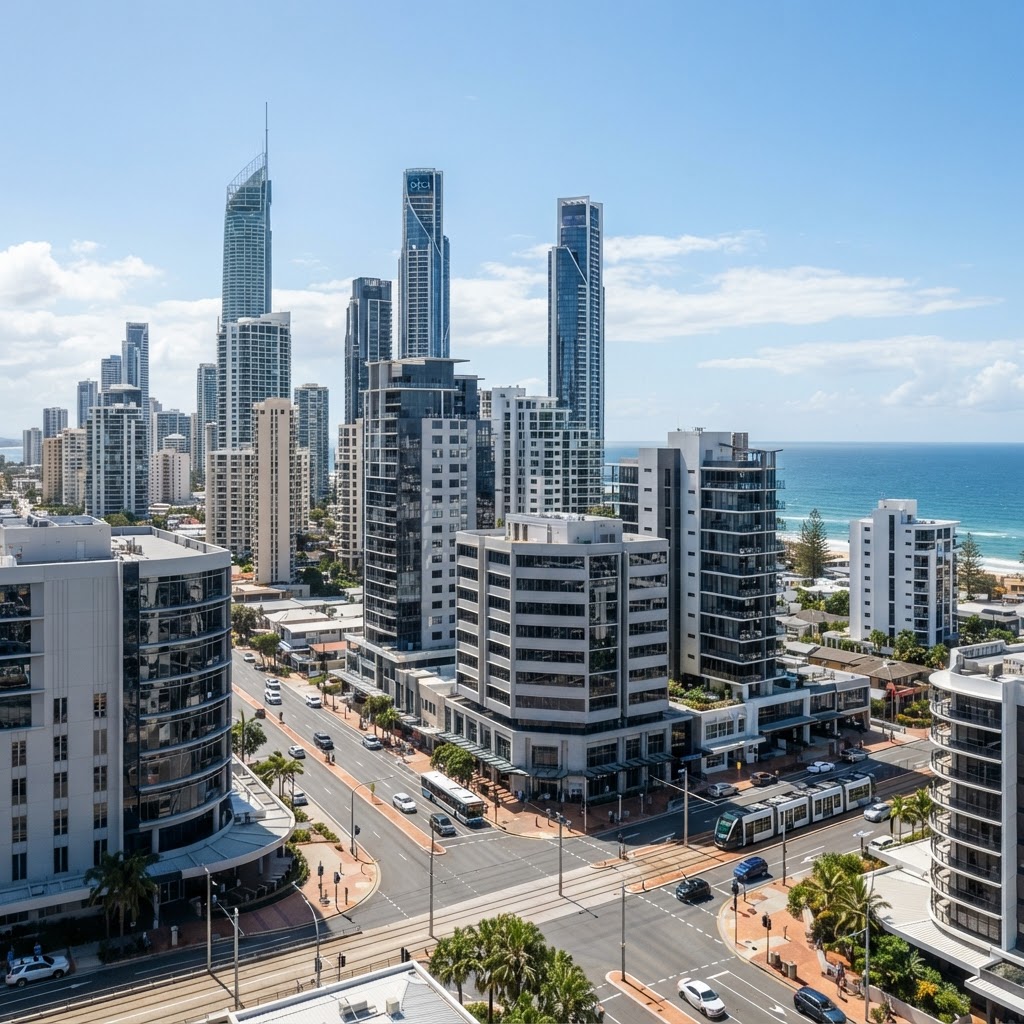
Crude oil jumped 8.59 per cent to US$74.59 a barrel in the latest session, the largest single-day move among major commodities tracked in the snapshot. For Gold Coast businesses that rely on diesel for buses, boats and airport transfers, the increase arrives at the start of the winter tourism window when visitor numbers typically lift. Operators already absorbing higher insurance premiums on electric vehicles now confront an additional layer of variable costs that cannot be passed on quickly to price-sensitive domestic travellers.
Local sectors feel the ripple
The ASX 200 held at 8,728, up just 0.04 per cent, offering little capital gain to self-funded retirees and SMSF trustees who hold large local equity allocations for yield. With the All Ordinaries slipping 0.04 per cent to 8,928, dividend streams from tourism-exposed names remain under pressure from any margin squeeze caused by fuel. Property values on the coast, already sensitive to cash-flow pressures on small landlords, could face further headwinds if higher operating costs reduce occupancy rates at holiday rentals.
The Australian dollar rose 0.26 per cent to 0.6934 against the US dollar. While a stronger currency trims the cost of imported equipment for small manufacturers, it also reduces the appeal of Gold Coast packages for inbound visitors from the United States and Europe. Tourism operators report that forward bookings for the September school holidays are tracking level with last year rather than showing the usual growth, consistent with the mixed equity and currency signals.
Gold fell 0.87 per cent to US$4,077 an ounce. Retiree portfolios that maintain a modest gold allocation for diversification recorded a modest mark-to-market decline, though the metal's longer-term role as an inflation hedge remains intact. Bitcoin's 2.87 per cent drop to US$61,722 added to the day's negative risk-asset tone, yet few local SMSFs carry material exposure to the cryptocurrency.
US equity benchmarks also closed lower, with the S&P 500 down 0.22 per cent at 7,483 and the Nasdaq Composite falling 1.31 per cent to 25,871. Superannuation funds with international growth mandates absorbed the moves without immediate forced selling, yet the absence of upward momentum leaves little room for portfolio rebalancing that might otherwise support local property or small-business lending.
Regional transport providers and accommodation groups now face a narrow window to lock in fuel hedges before any further crude advance. Without relief from the ASX or a weaker Australian dollar, the cost increase will flow directly into operating budgets already stretched by insurance and regulatory compliance.
This article is general information only and is not personal financial or investment advice. Consider your own circumstances and seek licensed professional advice before making financial decisions.