finance
Gold Rush, Cooling Auctions: How a Fractured Market Is Redrawing the Gold Coast's Talent Map
With gold surging past US$4,187 an ounce and local property clearance rates sliding, the Gold Coast's jobs landscape is tilting sharply toward finance, construction trades and tourism, and away from real estate sales.
How we reported this
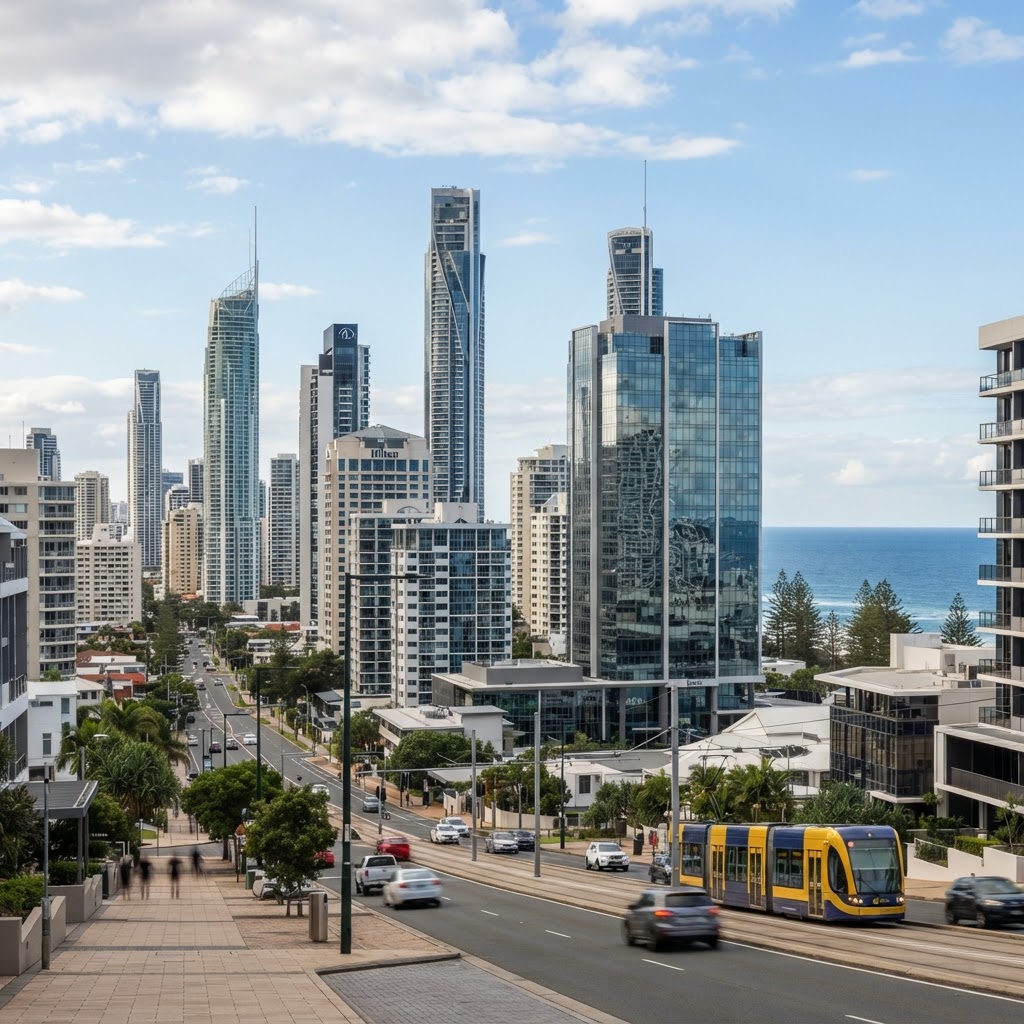
Gold hit US$4,187 per troy ounce on Saturday, up 4.10 per cent in a single session, and the ASX 200 climbed to 8,844, adding 0.92 per cent. For Gold Coast residents watching their self-managed super fund balances or their share portfolios, the headline numbers look reassuring. Beneath them, however, the local economy is quietly reshaping who gets hired, who gets let go and what skills are suddenly worth paying for.
The Australian dollar firmed to 0.6943 against the US dollar, a move that matters directly to the city's tourism operators. A stronger local currency trims the spending power of international visitors, particularly the Japanese and Chinese travellers who remain critical to Surfers Paradise and Broadbeach accommodation strip revenues. Hire rates at tourist precincts along the Gold Coast Highway have already been running below management expectations through the June quarter, according to industry observers, and a further lift in the Australian dollar would deepen that pressure on casual and hospitality payrolls.
The gold price surge is a different kind of signal altogether. The city's substantial SMSF cohort, concentrated in the northern suburbs from Robina to Hope Island, has long held gold exposure either directly or through ASX-listed miners. At current price levels, the premium on qualified financial planners and SMSF administrators in the Gold Coast market is growing. Several mid-tier accounting practices from Southport to Varsity Lakes have been expanding their superannuation advisory desks this year, a quiet but telling indicator of where the fee income is flowing.
Property's Retreat Is Changing Who Gets Hired
The property market tells a bleaker story for a different cohort of workers. Auction clearance rates nationally have fallen to levels that market analysts describe as unusually low for a winter period, with Brisbane and the Gold Coast hinterland both seeing auctions pass in or withdrawn in significant numbers over recent weekends. First-home buyers have pulled back, and discretionary upgraders are hesitant. That pattern has direct consequences for employment along the coastal corridor: real estate sales offices from Coolangatta to Coomera are carrying tighter headcounts than at any point since 2019, and property management, which had boomed during the rental crisis of 2022 and 2023, is no longer the reliable employment buffer it once was.
What is expanding is construction trades, though with a catch. The pipeline of infrastructure projects tied to the 2032 Brisbane Olympic and Paralympic Games continues to pull qualified tradespeople, estimators and project managers north toward the city or across to the Sunshine Coast. Gold Coast contractors report difficulty retaining mid-level site supervisors and civil engineers, with competing offers from Olympic-linked projects making retention packages increasingly expensive. The skills gap is most acute in electrical and mechanical trades, where the renewable energy buildout running through regional Queensland has added a second layer of competition for the same workers.
On Wall Street, the S&P 500 finished at 7,483, up 1.71 per cent, and the Nasdaq Composite closed at 25,833, up 1.87 per cent. Those moves are lifting the overseas equities allocations held by locally based financial advisers and their clients, which in turn is generating a secondary wave of rebalancing activity. Portfolio managers and advisers working out of Pacific Fair and Robina Town Centre offices say client enquiries have picked up through the first week of July as investors weigh whether to trim US equity gains or let positions run. That activity is keeping advisory staff busy even as property-adjacent roles thin out.
Bitcoin's rise to US$62,547, up 4.24 per cent, has added a peripheral layer to local finance conversations. The Gold Coast has a visible cryptocurrency investor community, particularly among younger property owners who entered digital assets during the 2020 to 2021 cycle and have been nursing losses since. A recovery toward these levels is prompting renewed interest in specialist tax advice around capital gains treatment, which is another small but real contributor to demand for accountants and financial advisers with digital asset experience.
Oil's slide to US$68.78 per barrel, down 2.78 per cent, provides some relief to transport and logistics businesses running fleets along the M1 corridor between Brisbane and the Gold Coast, and to the airport ground operations sector. Lower fuel input costs do not immediately translate into new hires, but they do reduce the pressure on operators to cut shifts. For the Gold Coast's large pool of casual and part-time workers in freight, distribution and airport services, that is meaningful stability heading into the school holidays period. The net picture across the city is of a labour market in transition: the easiest jobs of the past four years, selling property in a rising market, are gone, while the most valuable skills, finance, trades and infrastructure, are commanding prices that many local employers are struggling to match.
This article is general information only and is not personal financial or investment advice. Consider your own circumstances and seek licensed professional advice before making financial decisions.