finance
Gold Surges Past US$4,187 as ASX Rallies Hard, What It Means for Gold Coast Portfolios
A rare simultaneous jump in equities, gold and crypto is reshaping the risk calculus for self-funded retirees and small-business owners on the Gold Coast.
How we reported this
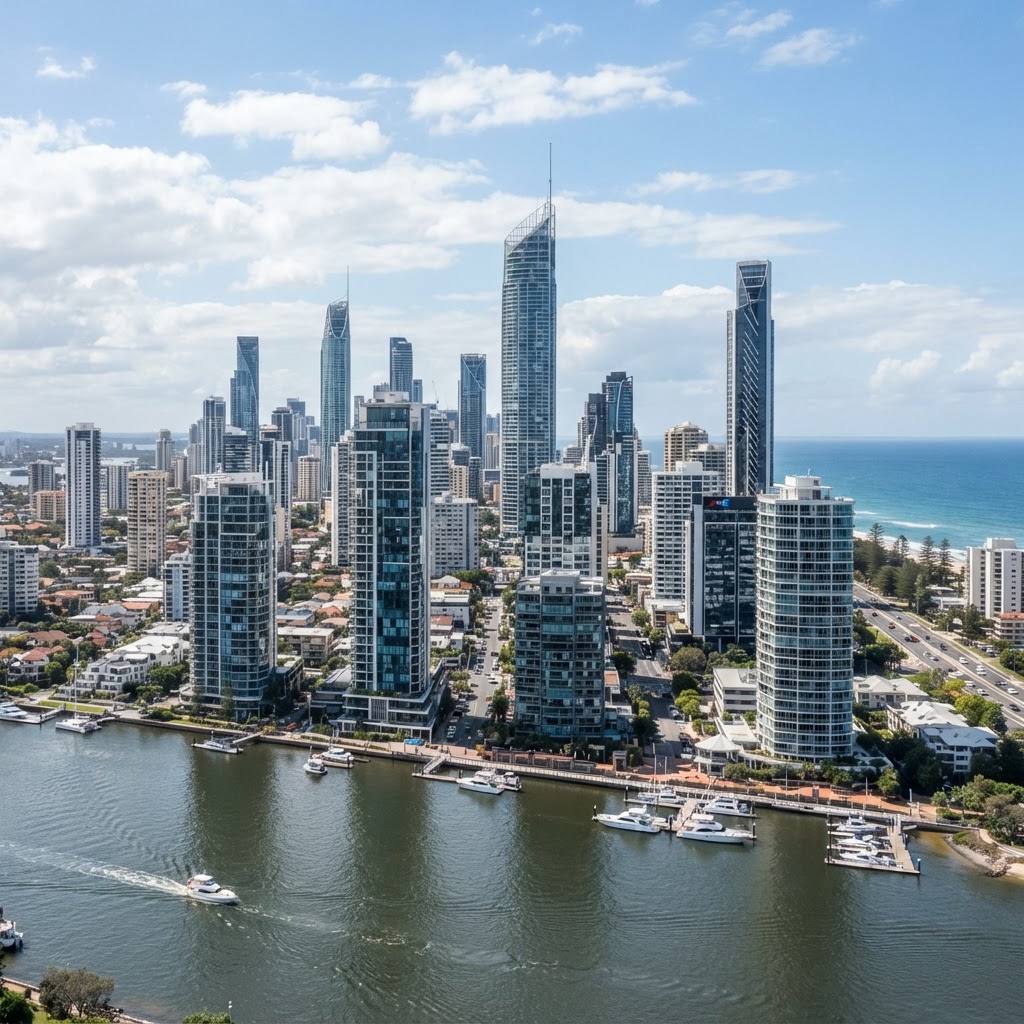
Gold hit US$4,187 an ounce on Saturday, up 4.10 per cent in a single session, and that number deserves serious attention from anyone on the Gold Coast holding precious metals in their SMSF or watching the ASX miners. The move came alongside a broad market surge: the S&P 500 climbed 1.71 per cent to 7,483, the Nasdaq added 1.87 per cent to close at 25,833, and here at home the ASX 200 gained 0.92 per cent to 8,844. The All Ordinaries closed at 9,048, up 0.94 per cent. These are not modest intraday wiggles. This is a market sending a message about where money wants to go.
The Australian dollar firmed to US$0.6943, up 0.68 per cent, which has direct consequences for Gold Coast retirees drawing on offshore investments or holding US-denominated assets in their superannuation. A rising Australian dollar compresses the local-currency returns from unhedged US equity positions, so those gains on Wall Street look somewhat smaller once converted back into Australian dollars. The flip side is that imports, overseas travel, and any US-dollar-denominated debt become marginally cheaper. For the city's tourism and hospitality operators who import equipment or source international bookings, that is a small but tangible tailwind.
Gold's 4.10 per cent single-session move is the figure local SMSF trustees should sit with longest. ASX-listed gold producers and ETFs tracking the bullion price will feel that lift when the market opens on Monday. The Gold Coast has a disproportionately large base of self-managed super funds relative to the national average, a legacy of the city's wealth concentration in property and small business. Many of those funds hold ASX gold equities as an inflation hedge, and a move of this magnitude, if it holds, validates that positioning. Gold is now up sharply from where it traded at the start of the year, though trustees should note that single-session gains of this size can retrace quickly if the catalyst, whatever it was, proves temporary.
Oil Falls, Property Struggles, and What Local Business Operators Need to Watch
WTI crude oil dropped 2.78 per cent to US$68.78 a barrel, and that matters for Gold Coast businesses with fuel-heavy cost structures: transport operators, marine tourism companies, construction contractors and the city's extensive network of tradespeople. Cheaper crude eventually filters through to petrol prices at the bowser on the Gold Highway and the M1, though the lag between oil futures and the servo forecourt price can run to several weeks. Businesses quoting jobs over the next month should be cautious about assuming immediate diesel savings, but the direction of travel is favourable.
The local property market is a separate and more uncomfortable story. Auction clearance rates nationally have deteriorated to levels that analysts describe as unusually low for this stage of the cycle, and the Gold Coast residential market is not insulated from that pressure. Affordability constraints remain acute. First-home buyers, already stretched after years of price appreciation across Broadbeach, Burleigh Heads and the northern corridor, are pulling back. For Gold Coast small businesses whose revenues are tied to housing turnover, including conveyancers, mortgage brokers, building suppliers and removalists, a sustained softening in transaction volumes is a direct hit to the order book. Operators in those sectors should be stress-testing their second-half revenue assumptions now, not at Christmas.
Bitcoin rose 4.40 per cent to US$62,645. That recovery will register with the Gold Coast's younger entrepreneurial and investment community, which has historically shown stronger appetite for digital assets than the national average. For SMSF trustees, the Australian Taxation Office's rules around cryptocurrency holdings within super remain strict, and compliance costs are real. The price move is notable, but the regulatory environment has not changed, and anyone who chased the asset class at higher prices earlier in the cycle is still underwater.
The broader takeaway for Gold Coast businesses and investors is that July 5, 2026 was a risk-on day almost everywhere except oil and residential property. Equities, gold and crypto moved together, which is an unusual configuration and historically tends to reflect a macro catalyst rather than sector-specific news. That macro backdrop, whatever is driving it, suggests volatility is likely to persist through the coming week. For the city's self-funded retirees managing their own asset allocation, Monday's ASX open will be worth watching closely. For business owners making capital or pricing decisions, the lesson is simpler: the signals are mixed enough that conservatism in forward planning remains the more defensible posture.
This article is general information only and is not personal financial or investment advice. Consider your own circumstances and seek licensed professional advice before making financial decisions.