Politics
Federal MPs Face Gold Coast Voter Pressure on Cost-of-Living Crisis
Voters on Australia's glittering coast are demanding their federal representatives address cost-of-living pressures and climate impacts as mid-term parliamentary reckoning looms.
How we reported this
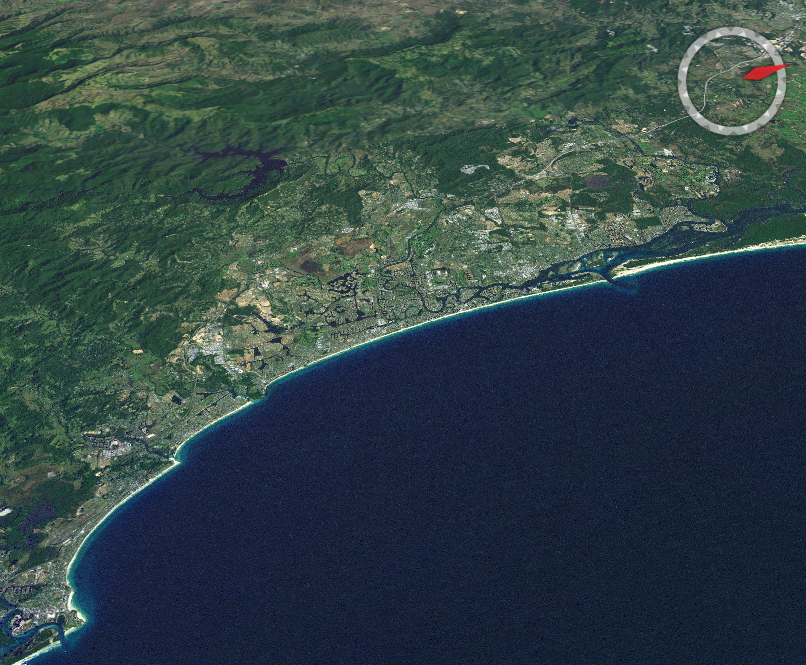
Gold Coast residents are using town halls and community forums to confront their federal MPs about Senate representation gaps and cost pressures that are squeezing household budgets across the Southport, Broadbeach and Coolangatta regions.
The timing is significant. With the mid-term review of parliamentary performance now underway, the Gold Coast electorate-home to 3.2 million residents across the Tweed Shire to the Tallebudgera Valley-faces a reckoning over whether its two current federal Senators adequately represent the region's interests on housing affordability, healthcare funding and climate adaptation. Sydney's June heat record of 38.7 degrees, the hottest since 1859, has sharpened concerns about coastal erosion and water security among families already grappling with rental costs that have climbed 18 percent over the past two years.
At the Gold Coast Chamber of Commerce office on Southport's Davenport Street last month, business leaders pressed federal representatives on small business tax relief and infrastructure commitments. The Coolangatta and Tweed Young Professionals Group similarly raised alarm at a July breakfast forum about skills shortages in hospitality and construction-sectors that employ 22 percent of the local workforce. Neither issue, attendees complained, featured prominently in the government's June federal budget.
The Senate representation squeeze
The Gold Coast's dual-senator arrangement has drawn fresh scrutiny from community groups who argue the region punches below its weight in Upper House debates. Population growth averaging 2.1 percent annually since 2022 has not translated into additional parliamentary seats, yet federal funding formulas for infrastructure and health services remain tied to outdated demographic baselines. The Broadbeach Residents Association submitted a formal submission to parliament last week calling for a review of Senate allocation methodologies, noting that the region's two representatives now serve a constituency larger than some state electorates.
Healthcare was the dominant concern. Local GP networks report patient lists ballooning past 2,000 per doctor-20 percent above the recommended threshold-while the Southport Hospital emergency department recorded 180,000 presentations in 2025, up 15 percent from 2023. Families cited wait times exceeding six hours and specialist referral backlogs extending to eight months. Federal funding for primary health networks in the region has remained flat despite population increases, according to a report tabled by the Gold Coast Primary Health Network on June 30.
Housing pressures compounded the frustration. Median rental prices for a two-bedroom apartment now sit at $680 per week-a jump from $575 in mid-2024-pushing renters into financial stress. First-home buyers face median property prices of $895,000 across greater Gold Coast, pricing out young families despite their employment in local tourism, retail and service sectors. Community groups including the Gold Coast Young Families Alliance have submitted multiple requests to federal representatives asking for expanded affordable housing measures and first-home buyer grant schemes, with minimal response to date.
Budget debates and climate reality
The federal budget released in June allocated $240 million nationally for climate adaptation infrastructure. Gold Coast councils say their share-$8.2 million across coastal mitigation projects through 2028-falls short of need. Beach erosion near Surfers Paradise and Narrowneck is accelerating, with rates of up to 1.2 metres per year in isolated pockets. Residents want urgent federal commitment to seawall upgrades and dune restoration programs.
What comes next is a test of political responsiveness. Both major parties have scheduled campaign-style community visits to the Coast through July and August. The real measure will be whether Senate representation pressures translate into policy action-or whether Gold Coast voters continue to feel their federal interests are diluted by a representation system built for a smaller nation.