Grassroots grit: the community and movement driving this cultural shift
Gold Coast’s arts sector is moving beyond the tourist brochure, shifting power back to the artists who live and work between the highway and the sand.
Gold Coast’s arts sector is moving beyond the tourist brochure, shifting power back to the artists who live and work between the highway and the sand.
Gold Coast council planners confirmed yesterday that local arts funding for the 2026/27 financial year will prioritise independent, neighbourhood-led festivals over large-scale commercial touring acts. The policy pivot follows two years of intense lobbying by the Gold Coast Creative Alliance, a collective that has successfully pushed to move the city’s cultural heart away from the high-rise tourist strips and into the industrial workshops of Burleigh Heads and the creative hubs of Southport.
For decades, the city's events calendar was dominated by mega-productions designed for interstate visitors. Today, the momentum has swung toward hyper-local initiatives like the 'Sunday Sessions' at the Dust Temple in Currumbin and the roving installations hosted by the Bleach* Festival organisers. This shift is not merely aesthetic; it is a structural change in how the city allocates its $14.2 million cultural budget, ensuring smaller venues aren't squeezed out by rising commercial rents on the Gold Coast Highway.
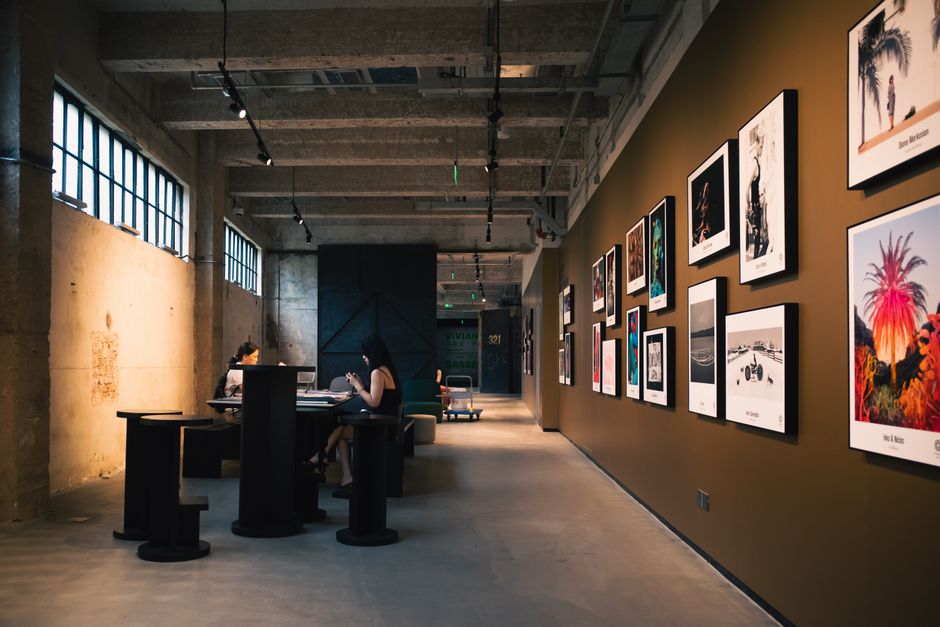
Walking through the former panel-beating shops in Currumbin’s industrial pocket, you can see the results of this transition. Artist-run studios now occupy spaces that previously housed automotive repair businesses, supported by the city’s 'Creative Spaces' grant program. These venues are currently preparing for the upcoming spring calendar, which features community-driven literary slams and pop-up galleries on the corner of Fifth Avenue and Pacific Parade.
Data released by the City of Gold Coast this morning indicates that ticketed attendance for independent, locally produced arts events rose by 22% in the last quarter alone. Despite the economic pressure of inflation, local arts groups have managed to maintain an average entry price of $25 per event, undercutting major entertainment chains that often charge upwards of $120 for arena shows. This accessibility is central to the movement’s growth, allowing student artists from Griffith University to showcase their portfolios alongside established professional sculptors.
The next major test for this movement comes on August 12, when the council holds its public hearing regarding the future of the Southport heritage precinct. Advocates are expected to present a proposal for an artist-in-residence initiative that would provide long-term leases for local painters and musicians. If approved, the project will transform the empty warehouse row on Scarborough Street into a permanent incubator for local talent, cementing a permanent shift in the city’s cultural landscape before the end of the year.
Spread the word
About this article
Published by The Daily Gold Coast
Daily brief
Free, in your inbox before 7am. Weekdays.
More from Gold Coast