Neon Nights and Neighborhood Roots: The Community Driving the Gold Coast’s Cultural Shift
Beyond the high-rises and the surf, a grassroots movement is redefining the city’s identity through local festivals and independent arts programming.
Beyond the high-rises and the surf, a grassroots movement is redefining the city’s identity through local festivals and independent arts programming.
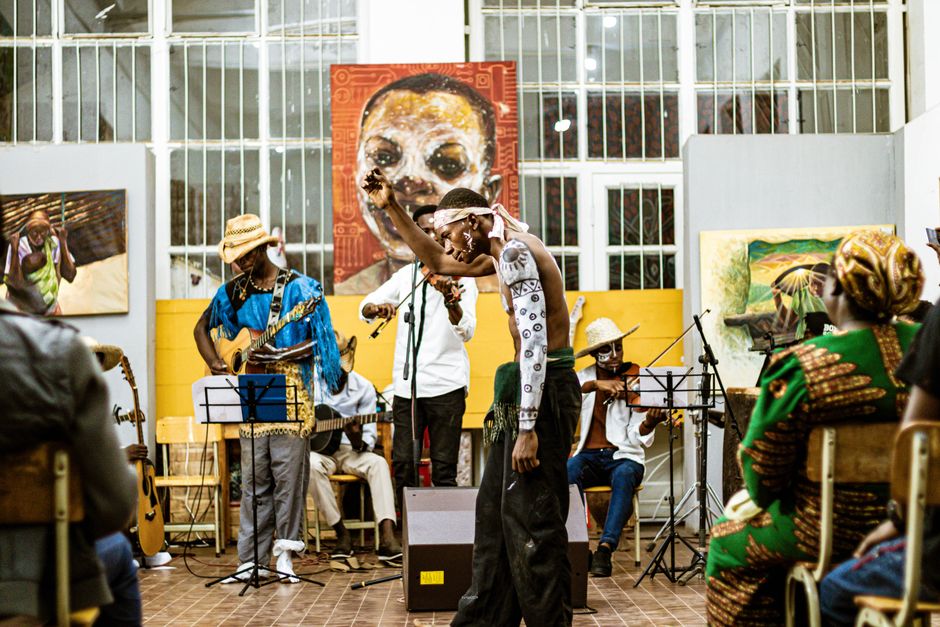
Gold Coast City Council confirmed today that the annual 'Coastal Convergence' arts program will expand to seven new suburban locations this spring, signalling a permanent shift away from the city's traditional reliance on blockbuster beachfront events. The expansion follows a 40% increase in attendance for hyper-local festivals held over the last six months, a trend that organizers say is fundamentally changing how residents engage with their own neighborhoods.
For decades, the city's cultural output was tethered to the tourist-heavy strips of Surfers Paradise and Broadbeach. That is changing. Movements led by local collectives like the Currumbin-based 'Swell Sculpture' organizers and the 'Burleigh Creative Hub' have successfully lobbied for decentralised funding, pushing the arts into the hinterland and southern corridor. Residents in Mudgeeraba and Nerang are no longer trekking to the coast for entertainment; they are hosting block parties and community-led light installations that prioritize local identity over tourist appeal.
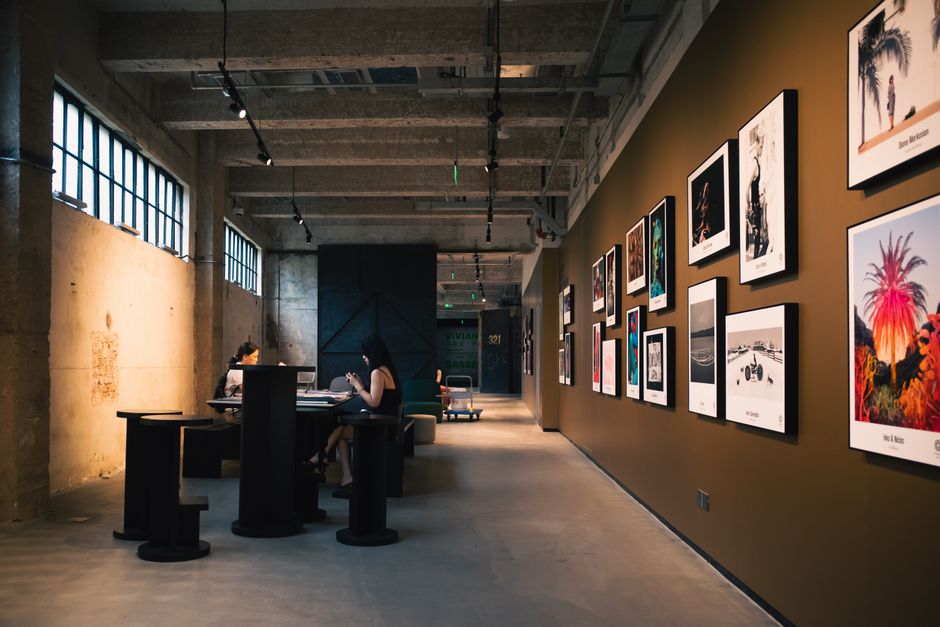
The shift is tangible on the ground. Last weekend, the Vibe Gallery in Southport hosted an experimental sound installation that saw over 1,200 attendees, a figure that would have been unthinkable for a non-commercial gallery event five years ago. This isn't just about foot traffic. It’s about the economic sustainability of local venues. Small businesses on Scarborough Street are reporting a 25% spike in trade during these neighborhood-specific event windows, proving that community-driven programming acts as a direct stimulus for local retailers.
Public records show the council’s budget allocation for community-led grants has risen by $1.2 million since July 2025. This funding has directly supported grassroots efforts in suburbs that were previously underserved, such as Coomera and Pimpama. Ticket prices for these local showcases are purposefully kept low, with the average entry fee hovering around $15 to $20, compared to the $150-plus price tags associated with larger, corporate-backed concerts at the Heritage Bank Stadium.
Observers point to the success of the 'Coast-to-Coast Mural Initiative' as the catalyst for this broader cultural restructuring. By giving local artists autonomy over public spaces on Frank Street and Gold Coast Highway, the council effectively ceded a portion of its cultural gatekeeping to the residents themselves. The result is a cityscape that feels less like a temporary stage and more like a permanent residence for the arts.
As the city moves into the second half of 2026, the focus turns to the 'Spring Hinterland Showcase' scheduled for October 12th. Those looking to participate should monitor the City of Gold Coast’s official community calendar, as applications for small-scale street performance permits opened this morning. The message from the organizers is clear: if you want to understand the new Gold Coast, stop looking at the horizon and start looking at the street corner.
Spread the word
About this article
Published by The Daily Gold Coast
Daily brief
Free, in your inbox before 7am. Weekdays.
More from Gold Coast