Tracing the History and Evolution of Gold Coast’s Cultural Scene
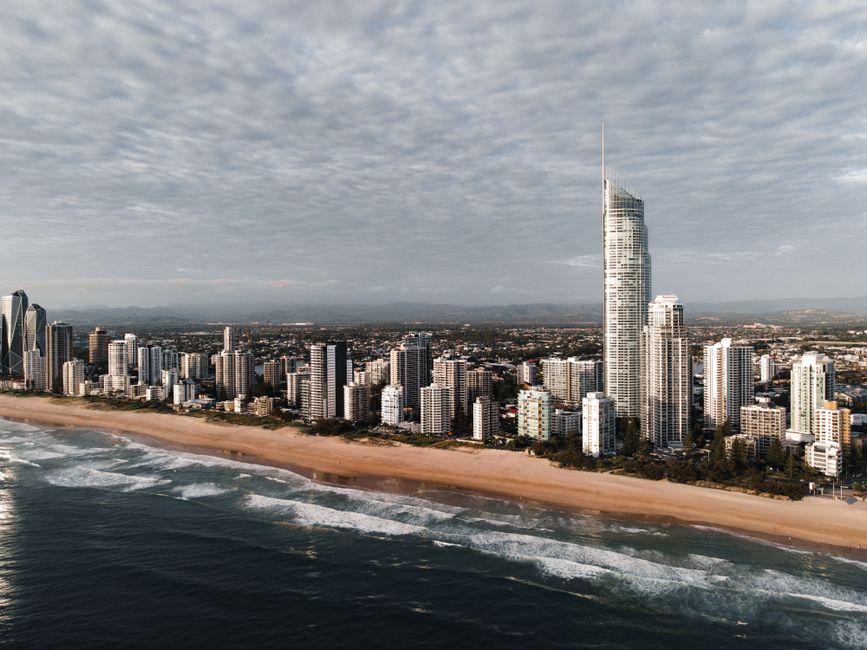
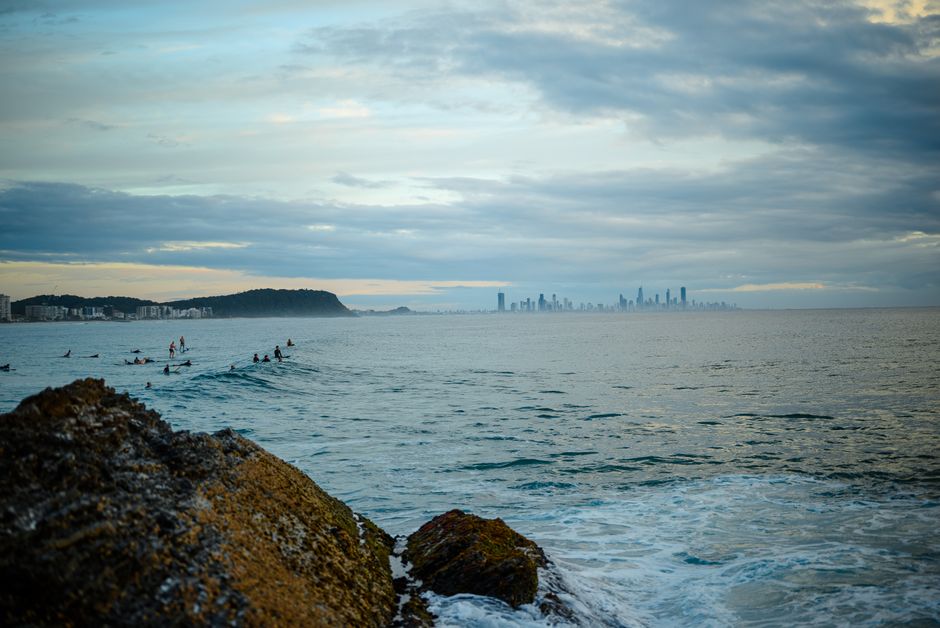
From Surfers Paradise to Burleigh Heads, Gold Coast’s arts and entertainment landscape has transformed dramatically over decades.
From Surfers Paradise to Burleigh Heads, Gold Coast’s arts and entertainment landscape has transformed dramatically over decades.
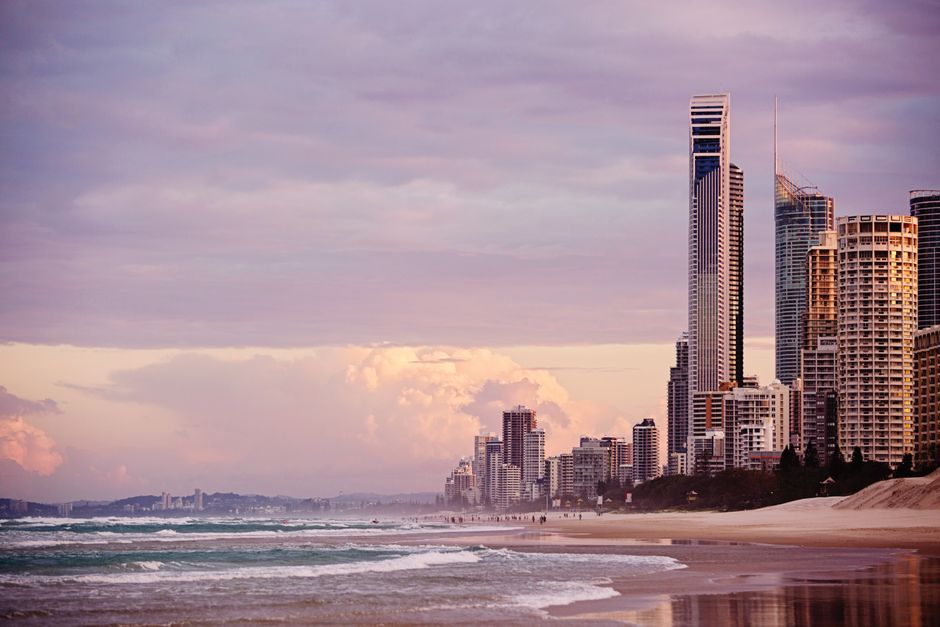
Gold Coast is no longer just Australia’s playground for beaches and theme parks; its local cultural scene has undergone significant evolution, reflecting a blend of history and modern innovation. The city is seeing a renewed focus on the arts and entertainment, with initiatives that build upon its deep-rooted creative past while fostering new community engagement.
The 1960s and 70s saw Surfers Paradise and the surrounding coastal suburbs emerge as hotspots for performance and visual arts, led by grassroots groups pioneering art festivals and live music venues along Cavill Avenue and Orchid Avenue. Notably, the Rockinghorse Community Arts Centre, established in 1971 near Southport, laid groundwork that encouraged local artists and artisans, promoting Gold Coast as more than just a tourist destination.
Today, the Gold Coast Arts Centre on Smith Street carries that legacy forward, hosting approximately 200 events annually, ranging from theatre productions to visual arts exhibitions. Meanwhile, the Burleigh Heads community has gained a reputation as the city’s creative hub, with facilities like the Burleigh Heads Surf Club frequently doubling as venues for cultural gatherings and the Burleigh Arts Festival held each October, attracting over 15,000 attendees.
Recent figures reveal a growing appetite for local arts: Gold Coast City Council data shows a 25% increase in attendance at cultural events since 2022, coinciding with a $12 million investment in public art installations and community programs over the last three years. This funding is geared to boost both permanent infrastructure and temporary exhibits, like the current "Coastal Colours" street mural project sprouting along Main Beach’s Tedder Avenue.
Economic impact is notable too. The creative economy now contributes an estimated $400 million annually to the Gold Coast’s local economy, supporting nearly 4,000 jobs in arts and related industries. The rise in small independent galleries and performance spaces, such as The Hangar on HOTA (Home of the Arts) plaza, has catalysed diverse offerings, from dance performances to artisan markets, creating a dynamic platform for emerging voices.
These developments underline a deliberate shift: city planners and cultural advocates are embracing Gold Coast’s identity beyond its traditional image as a sun-soaked vacation spot. This move seems timed to attract not only tourists but residents seeking enriching cultural experiences, which contributes to the area's year-round vitality.
For locals and visitors alike, understanding this cultural evolution means more than recognizing new venues; it calls for active participation. Community workshops, art walks like the one along Miami Marketta, and open studios are practical ways to engage with this growing scene. Upcoming events, such as the Gold Coast Film Festival in September and the annual Indigenous Cultural Celebration at Jellurgal Aboriginal Cultural Centre, offer windows into the city’s expanding creative repertoire.
Those keen to explore can also look forward to further municipal support earmarked in the 2027 budget, which includes plans for a dedicated cultural precinct in Southport. Developing this precinct will link historical sites with contemporary art spaces and live venues, anchoring the Gold Coast as a key player in Australia’s cultural environment.
Spread the word
About this article
Published by The Daily Gold Coast
Daily brief
Free, in your inbox before 7am. Weekdays.
More from Gold Coast