Festival Season Is Reshaping Gold Coast's Identity as a Creative City
From beachfront music events to laneway art installations, the city's packed calendar is cementing its reputation beyond tourism.
From beachfront music events to laneway art installations, the city's packed calendar is cementing its reputation beyond tourism.
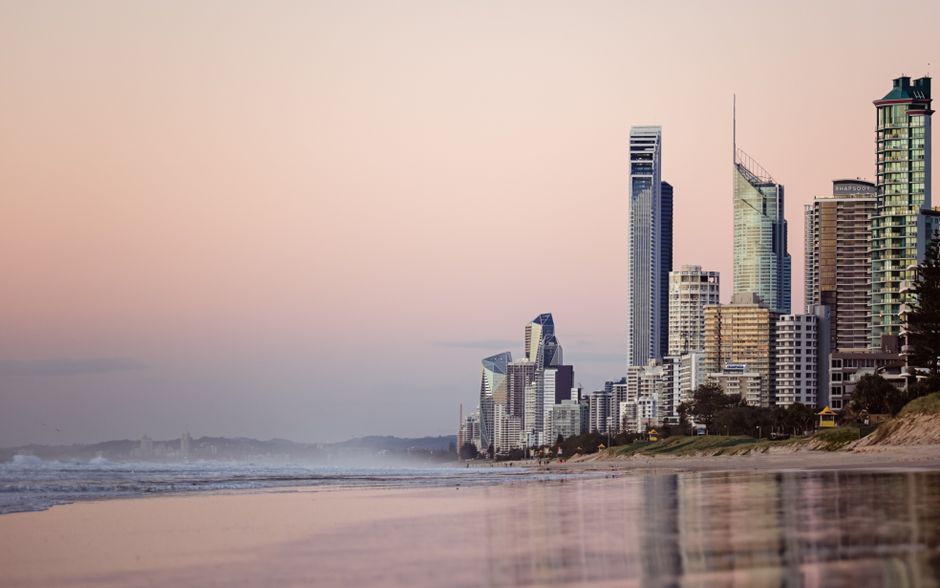
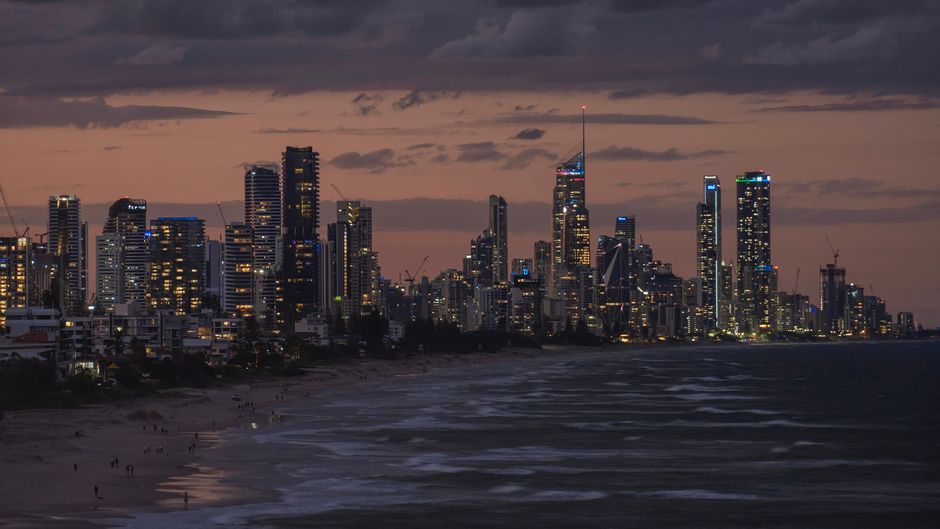
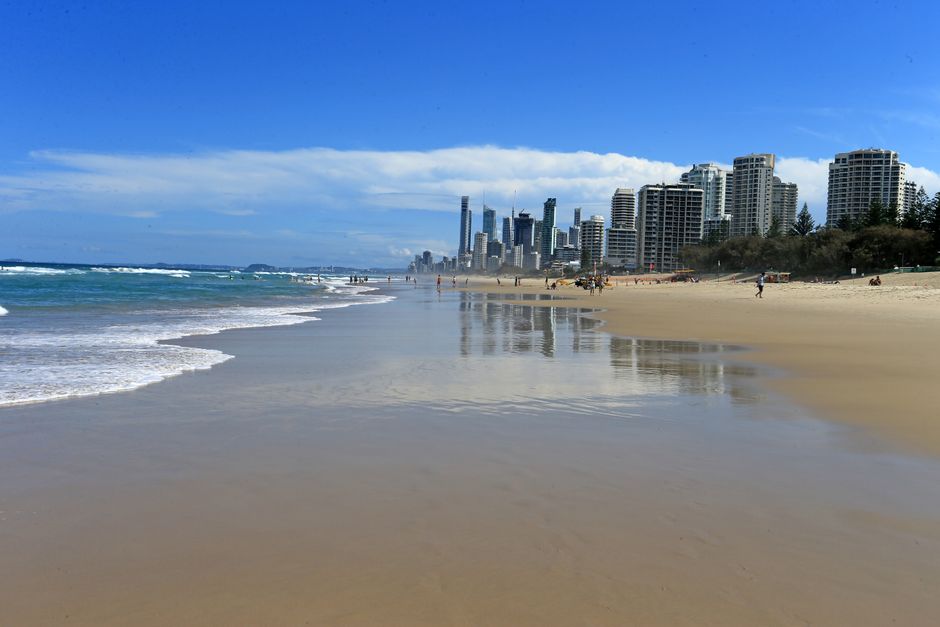
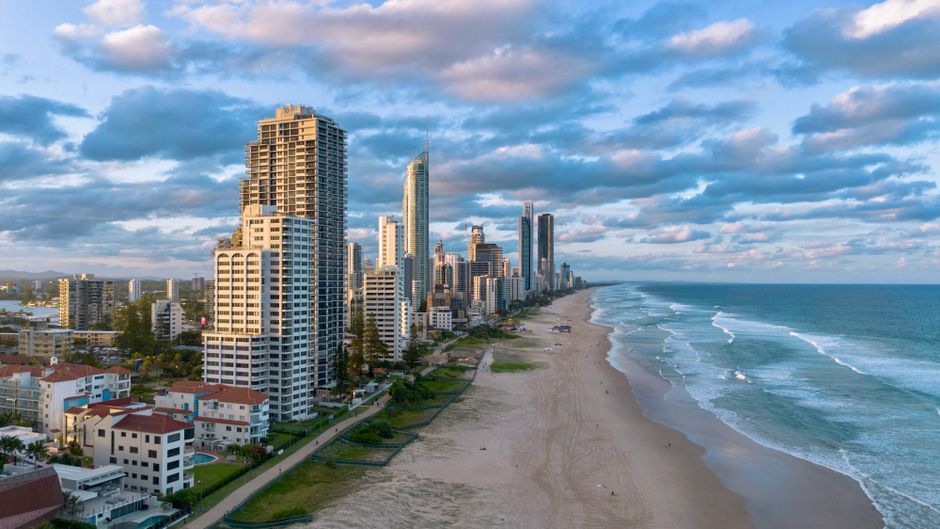
The Gold Coast's festival calendar has become the pulse of its evolving creative identity. What was once dismissed as a purely leisure destination is now establishing itself as a serious cultural hub, with events that attract artists, audiences and cultural workers from across Australia and internationally.
This winter alone tells the story. The Bleach Festival, centred around the laneway precincts of Surfers Paradise and The Esplanade, drew record attendances in 2025, transforming intimate urban spaces into galleries and performance venues. Similar momentum surrounds the Pacific Fair Cultural Precinct's emerging role as a year-round programming centre, moving beyond retail to host theatre, visual art and experimental music events that anchor the Broadbeach narrative.
"The shift is real," said advocates at local arts organisations who've watched funding allocation patterns change. Investment in grassroots cultural infrastructure—from the skateboard-focused Street Culture Festival to the Indigenous-led Currumbin Songlines event series—signals that city planners recognise festivals as economic drivers beyond immediate hospitality spend. Average visitor spend during major cultural events now stretches festival weekends into extended stays, benefiting accommodation and dining sectors across Southport, Coolangatta and coastal villages alike.
The numbers support this. Gold Coast City Council's cultural calendar now spans 40-plus signature events annually, up from 12 a decade ago. Smaller, community-driven festivals—neighbourhood market days, artist collectives' studio walks, independent film screenings in beachfront parks—have proliferated without centralised marketing, suggesting organic creative momentum rather than manufactured tourism.
What's particularly significant is the geographic distribution. Events are no longer confined to the Surfers Paradise strip. Robina's creative quarter has become a festival destination in its own right. Tallebudgera Valley's arts community hosts seasonal gatherings. Even inland neighbourhoods like Ashmore and Mudgeeraba are developing distinct cultural calendars that reflect local identity rather than tourist expectation.
This decentralisation reflects something deeper: the Gold Coast is finally distinguishing between entertaining visitors and building genuine creative culture. Yes, international acts still headline beachfront stages. But the identity-shaping work happens in smaller rooms, artist studios, community halls and independent venues where emerging talent gets platform, where local stories get told, and where creative workers can actually afford to base themselves.
The festival calendar, in other words, has become a mirror of a city discovering what it actually is—not a destination invented for others, but a place where creative communities are choosing to build, collaborate and stay. That's the real measure of cultural identity. Everything else flows from there.
This article was compiled by AI from the sources linked above and screened before publishing. See our editorial standards.
Spread the word
About this article
Published by The Daily Gold Coast
Daily brief
Free, in your inbox before 7am. Weekdays.
More from Gold Coast