Best Restaurants Gold Coast: From Fish & Chips to Fine Dining
Discover how Gold Coast's restaurant scene evolved from casual takeaways to fine dining. Explore 180+ venues, emerging cuisines, and why Surfers Paradise became a culinary hotspot.
Discover how Gold Coast's restaurant scene evolved from casual takeaways to fine dining. Explore 180+ venues, emerging cuisines, and why Surfers Paradise became a culinary hotspot.
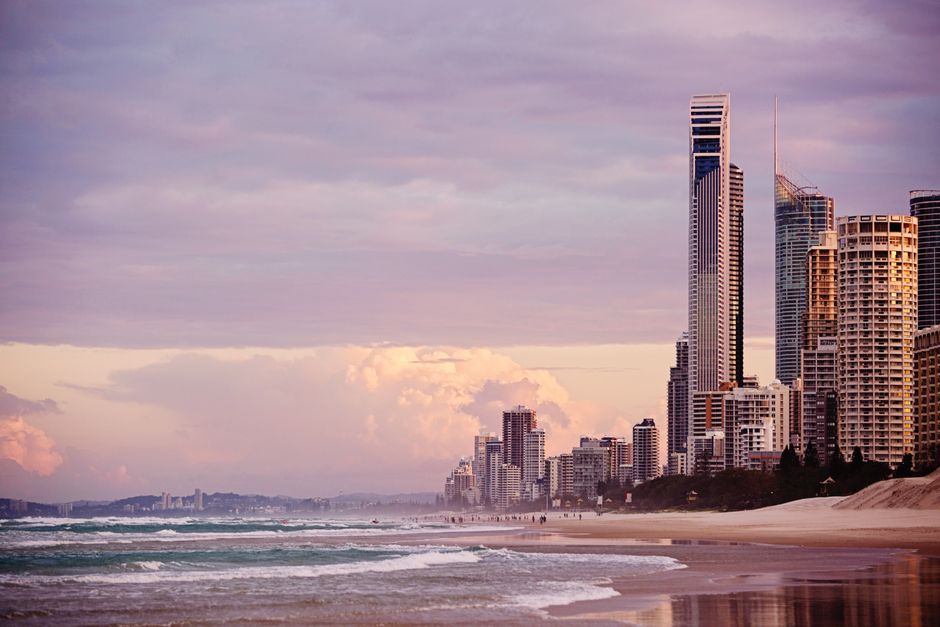
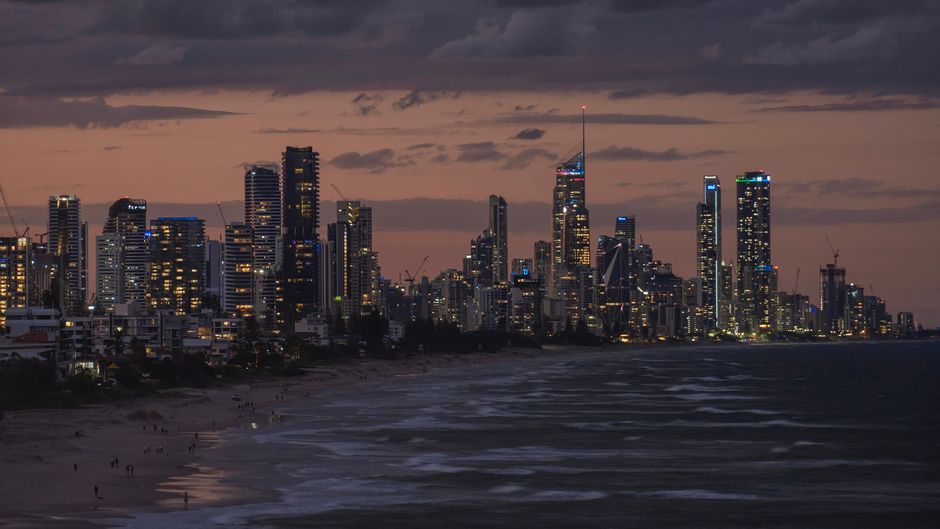
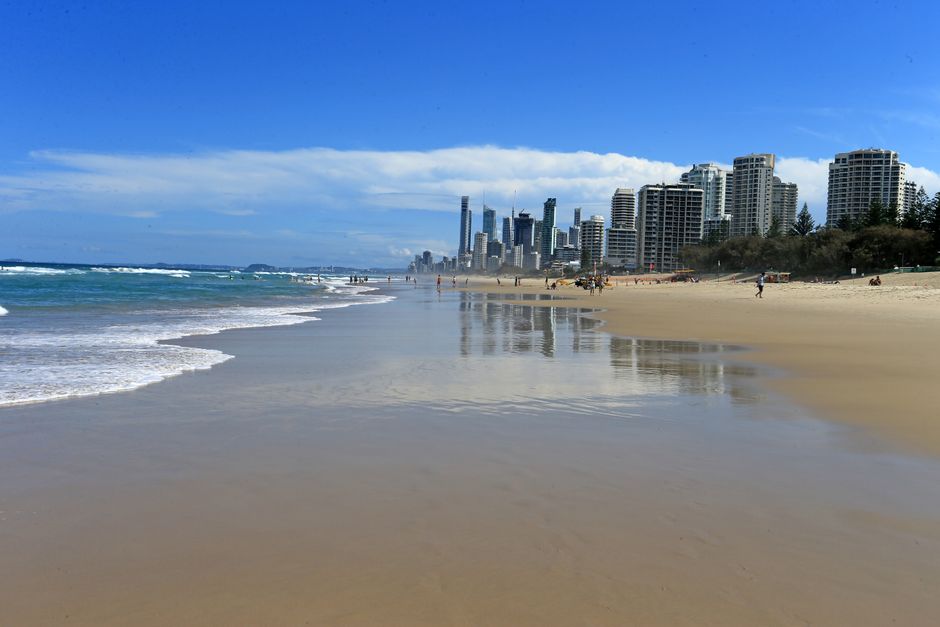
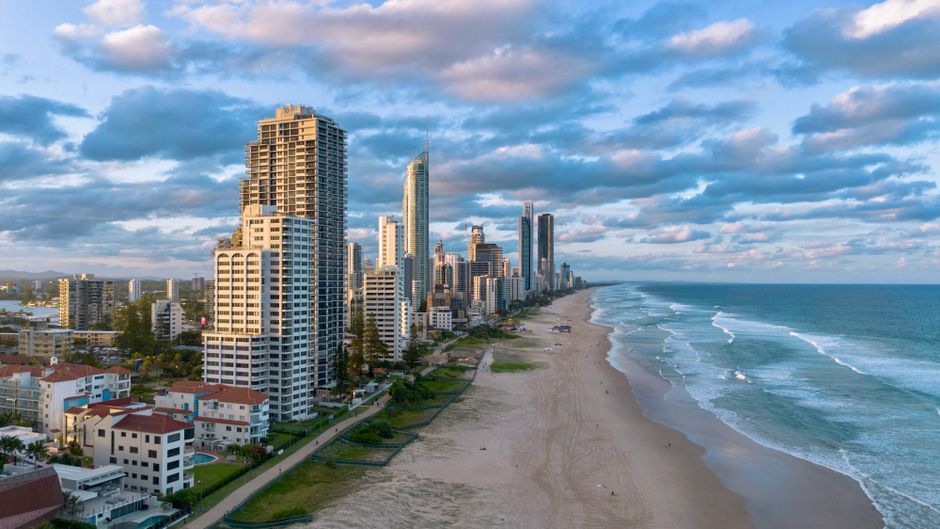
In the 1990s, Gold Coast dining meant one thing: fish and chips wrapped in paper, consumed within metres of the sand. The restaurant precinct barely existed. Today, that same stretch of coastline hosts over 180 licensed venues, with average meal prices reaching $45 per head—a sixfold increase in real terms since 1995.
The transformation began quietly in the early 2000s when Surfers Paradise's Cavill Avenue shifted from souvenir shops to serious hospitality. The opening of The Star in 2016 accelerated the trend, bringing celebrity chefs and fine dining infrastructure to South Broadbeach. But locals often overlook the real engine of change: the emerging Middle Eastern and Asian communities who established restaurants along Gold Coast Highway and into Broadbeach between 2010-2018, introducing authentic Lebanese, Vietnamese, and Malaysian cuisines that challenged the Anglo-dominated menu landscape.
By 2020, pre-pandemic data showed the Gold Coast hospitality sector employed 14,200 people and generated approximately $2.3 billion annually. That figure has grown 18% since, with an influx of European-trained chefs relocating from Sydney and Melbourne, seeking lower operational costs and coastal lifestyle benefits.
The Southport Precinct emerged as an unexpected player in this evolution. What was once dominated by corporate lunch spots transformed into an arts-and-culture dining destination, driven by the Gold Coast Arts Centre's 2015 expansion and younger entrepreneurs opening small-batch roasteries and farm-to-table concepts along Davenport Street.
Instagram culture accelerated another shift: laneway bars and intimate wine dens replaced sprawling resort-style venues. Venues like those clustered around Nobby Beach now emphasise natured wines, craft cocktails, and tapas-style sharing—a departure from the heavy, meat-focused menus that dominated the 2000s.
Today's Gold Coast dining scene reflects genuine multiculturalism rather than tourist convenience. The average independent restaurant operates on a 12-15% profit margin, lower than the Australian average, suggesting operators here prioritise experience over returns. Venues increasingly source from local producers—a nascent farm-to-table economy emerging in the Tallebudgera Valley and Boomerang Farm network.
The scene remains young, vulnerable to economic shifts, yet undeniably sophisticated. What once embarrassed Gold Coast culture now defines it: a place where culinary ambition meets beach culture, where migrant communities shaped menus as much as investors shaped skylines, and where a cappuccino costs $5.50 instead of $3.50—not because it's trendy, but because standards rose.
This article was compiled by AI from the sources linked above and screened before publishing. See our editorial standards.
Spread the word
About this article
Published by The Daily Gold Coast
Daily brief
Free, in your inbox before 7am. Weekdays.
More from Gold Coast