The Architects of Cool: How Gold Coast's Creative Class Built a Scene from Scratch
Before Surfers Paradise became a global destination, a tight-knit group of artists, musicians and entrepreneurs transformed beachside suburbs into a thriving cultural hub—and their legacy still defines who we are.
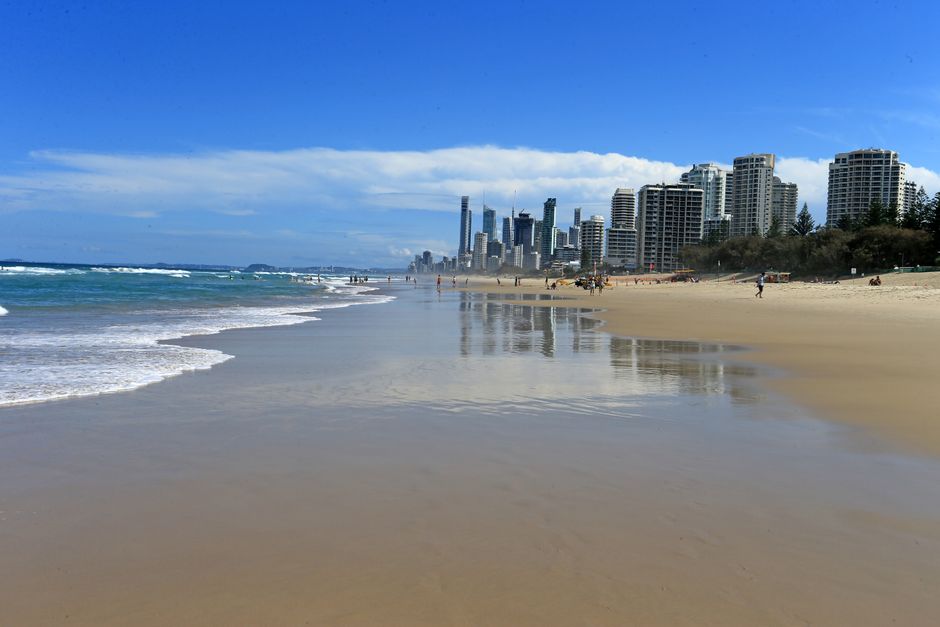
Walk down Cavill Avenue on a Friday night and it's easy to assume the Gold Coast's cultural identity simply materialised overnight—a gift of geography and good weather. But the truth is messier, more human, and infinitely more interesting. Our scene was built by people who chose to stay, to invest, and to create when nobody was watching.
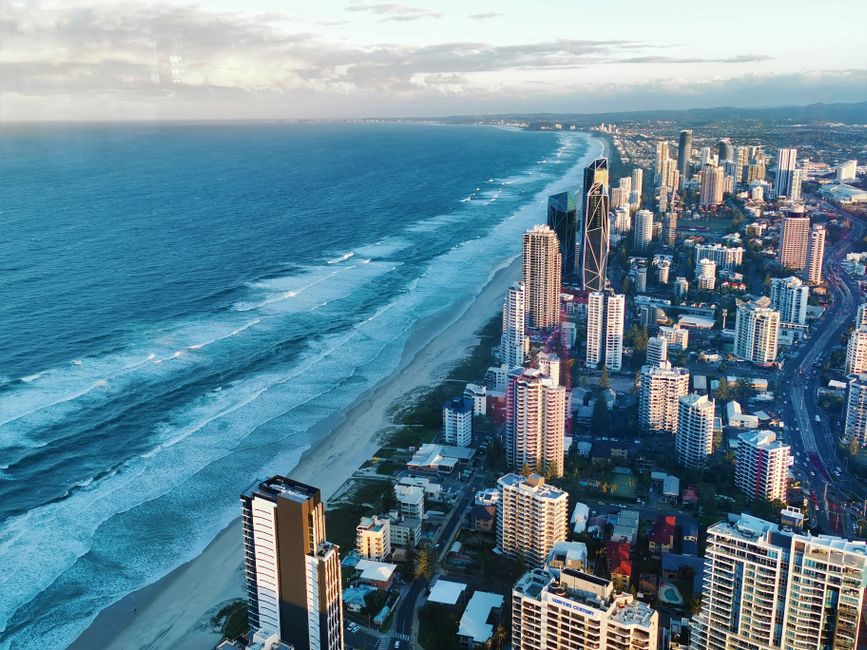
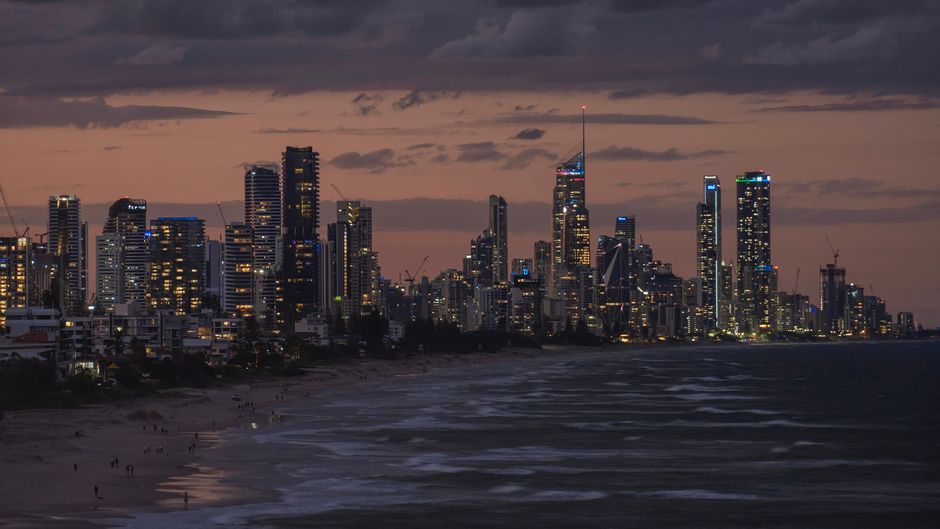
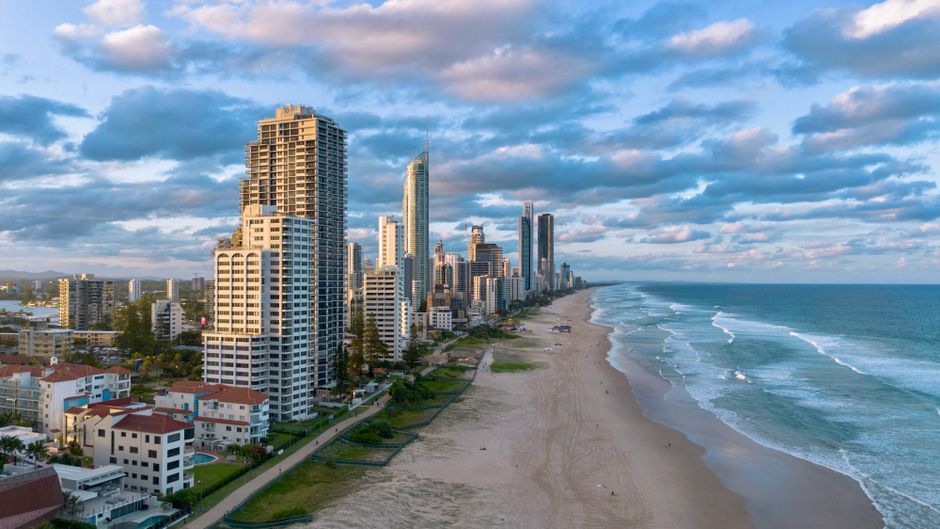
In the 1980s and 90s, before the high-rises dominated the skyline, artists and musicians began clustering around the older neighbourhoods: Burleigh Heads, Coolangatta, and the gritty industrial pockets of Southport. The Gold Coast Arts Centre, which opened in 1984 on Broadbeach Boulevard, became the gravitational centre for a emerging creative community. It wasn't flashy—annual visitor numbers hovered around 40,000 in those early years—but it was essential.
Local venues like the beachfront pubs and small galleries became incubators for live music and experimental performance. Musicians who might have relocated to Melbourne or Sydney stayed put, drawn by cheaper studio space and a growing audience hungry for homegrown talent. The coffee culture that now defines streets like James Street in Burleigh didn't happen by accident; it was nurtured by people who believed a creative city needed gathering spaces.
What's often overlooked is the role of cultural activists—community organisers, small-venue owners, and independent curators who operated on thin margins. They didn't do it for recognition. Many have never been interviewed. They booked emerging artists, hosted gallery openings in converted warehouses, and fought council decisions that threatened local character. Their impact is baked into the fabric of neighbourhoods that today command premium property prices.
This matters now more than ever. As property development accelerates and international brands colonise our streetscapes, the question becomes: who builds culture for the next generation? The Gold Coast Arts Centre attracts over 250,000 visitors annually today, but younger creatives face housing costs and commercial rents that their predecessors never imagined.
Understanding where our scene came from—the unglamorous reality of people choosing community over comfort—isn't nostalgia. It's a blueprint. The Gold Coast's cultural identity wasn't gifted to us by tourism boards or property developers. It was built by locals who believed the city could be something more than postcards and theme parks. Recognising those architects, and learning from their choices, is how we ensure future generations can build their own scenes too.
This article was compiled by AI from the sources linked above and screened before publishing. See our editorial standards.