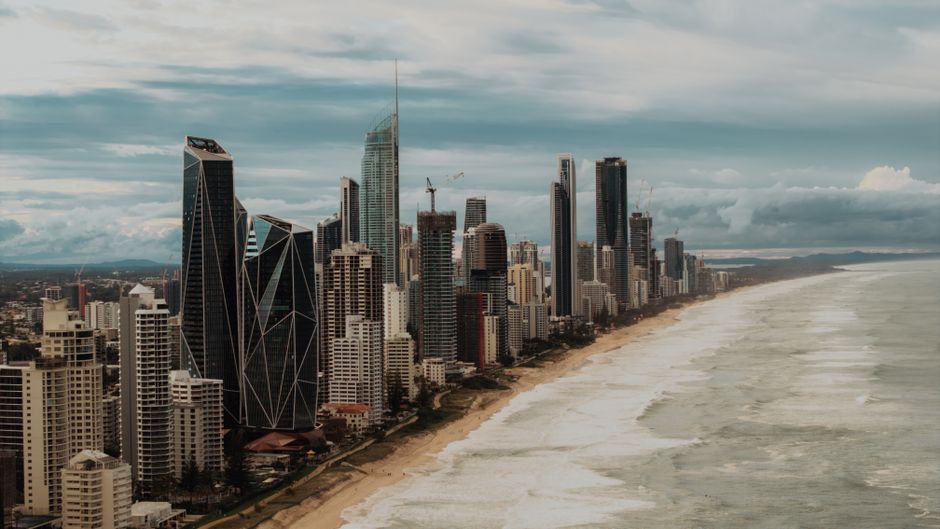
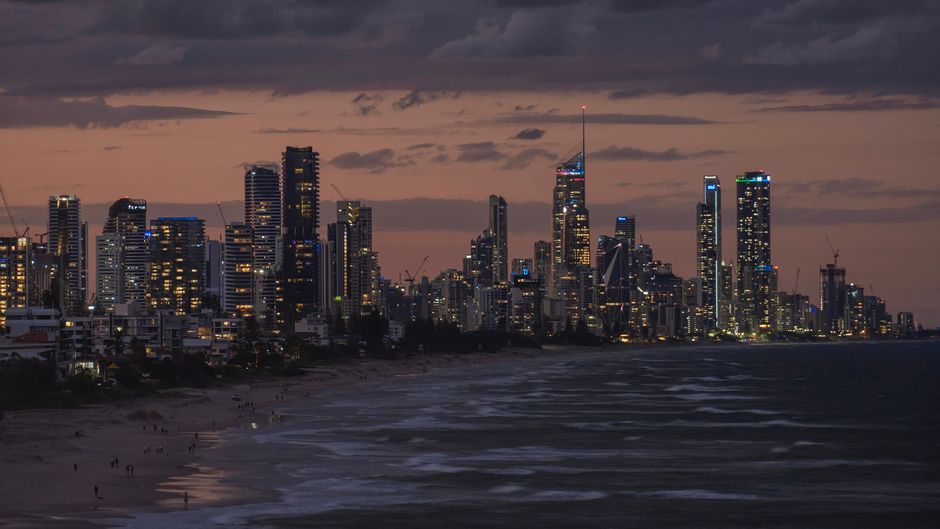
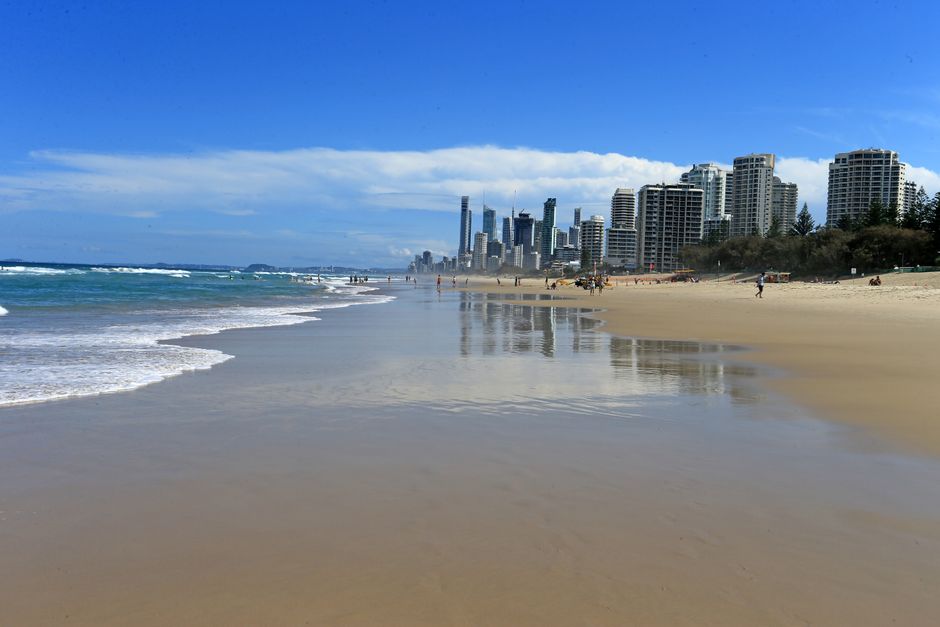
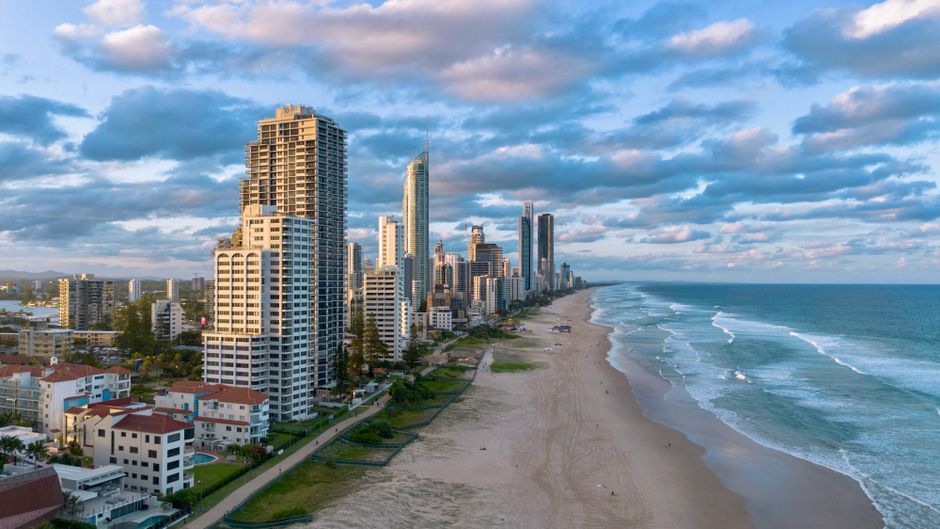
Walk through Surfers Paradise on any given weekend and you'll see the Gold Coast's familiar postcard self: high-rises, designer boutiques, sun-seeked tourists. But venture inland to Ashmore's heritage precinct or spend an afternoon at the Gold Coast City Gallery in South Bank, and you'll discover a city in the midst of a creative reckoning—one that's fundamentally reshaping how locals and visitors understand what this place actually is.
Over the past two years, cultural institutions across the city have invested heavily in programmes centring Indigenous Yugambeh culture and the multicultural waves that built modern Gold Coast. The shift isn't merely curatorial; it's becoming the foundation upon which the city's creative identity is being rebuilt.
"We're seeing artists choosing to stay here, choosing to make work here, because there's now a coherent cultural narrative," explains the curatorial team at GCAG, which has expanded its Indigenous programming from 15% to nearly 40% of annual exhibitions. The gallery's recent acquisition of works by local Yugambeh artists represents the largest investment in First Nations art in the institution's history.
In Broadbeach, the restoration of heritage timber structures along Kabala Street has created unexpected studio and performance spaces. Independent venues like Black Marlin and smaller artist collectives have seized these reimagined streetscapes, transforming them into creative hubs that feel authentically rooted rather than architecturally imposed.
The numbers suggest genuine momentum. Arts participation across Gold Coast Local Government Area increased 23% between 2023 and 2025, according to recent cultural participation surveys. More significantly, creative industries employment—particularly in design, digital media, and cultural production—grew at 18% annually, outpacing the national average.
This heritage-forward approach also appeals economically. Heritage-focused cultural tourism generates approximately $340 million annually for the region, with visitors spending more time and money when engaging with authentic cultural experiences rather than generic leisure activities.
Yet challenges remain. Securing ongoing funding for cultural institutions remains precarious, and rapid development continues to threaten heritage sites. The Southport Heritage precinct battles constant pressure from residential redevelopment.
Still, something tangible has shifted. The city's creative class—graphic designers, filmmakers, musicians, visual artists—increasingly see Gold Coast as a place with cultural legitimacy, not merely a backdrop for external industries. That psychological shift, rooted in genuine historical acknowledgement, may prove the city's most valuable cultural asset yet.
This article was compiled by AI from the sources linked above and screened before publishing. See our editorial standards.