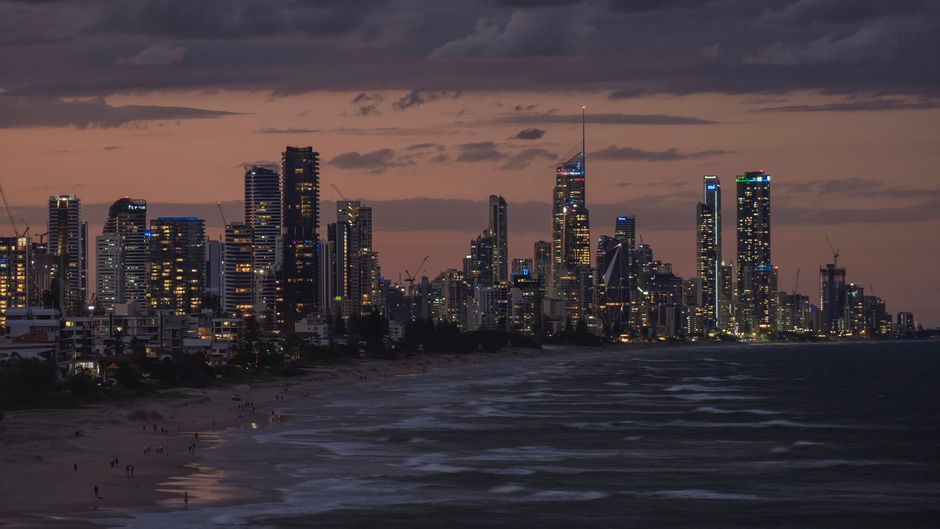
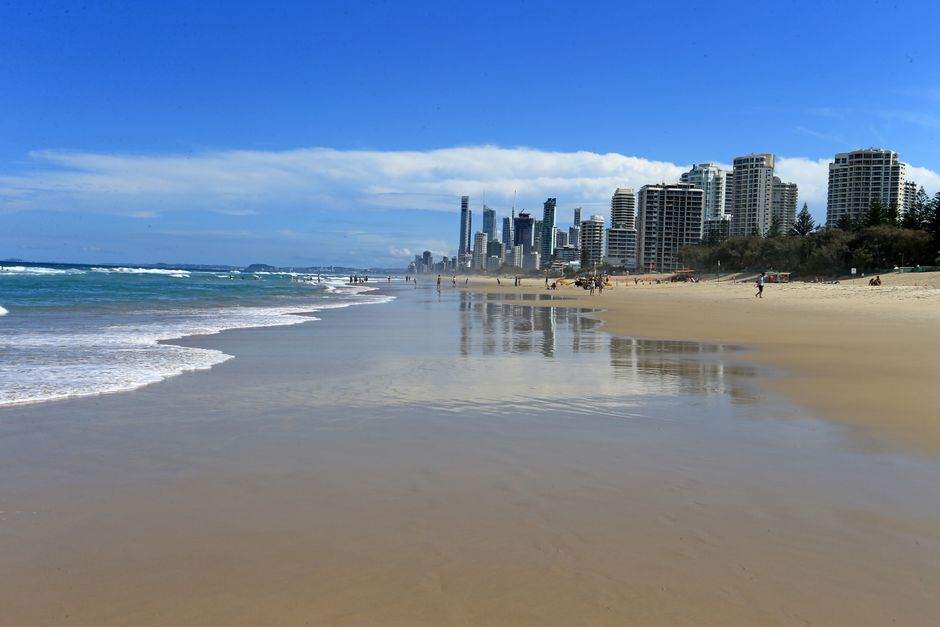
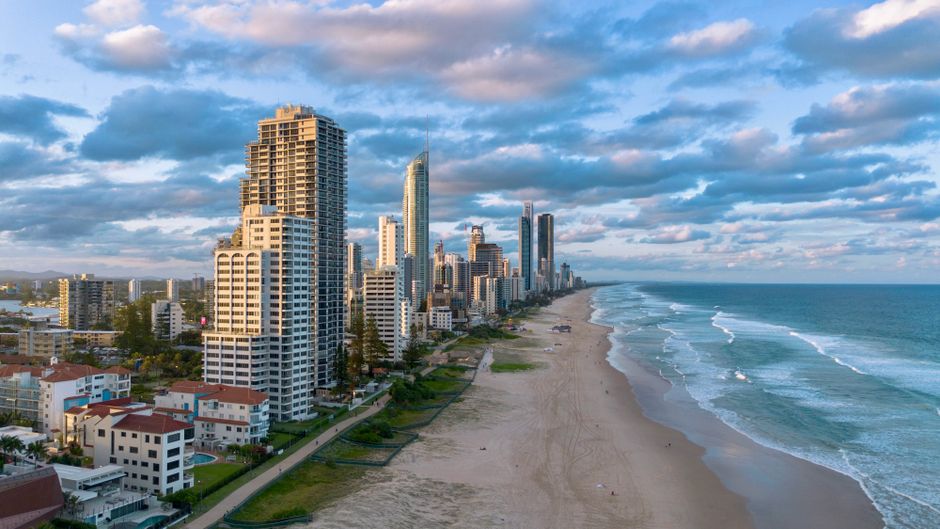
Walk down Tedder Avenue in Surfers Paradise on any given weekend and you'll spot the old Gold Coast cliché: bronzed bodies, thong-clad tourists, high-rise glitter. But this weekend tells a different story—one increasingly defined by galleries, independent theatre, live music venues and artist collectives that are quietly reshaping how the city sees itself.
Over the next two days, the narrative shift is on full display. The Gold Coast Cultural Precinct—a sprawling network centred around the Broadbeach and Southport areas—is hosting its winter season opening, featuring installations from emerging Queensland artists alongside international sculptors. Meanwhile, in the grittier Coolangatta precinct, street-art collective Bluesfest has organised a pop-up market featuring 40 independent designers, musicians and makers. Entry is free; expect the kind of creative density once unimaginable here five years ago.
What's driving this transformation? Demographics, partly. Since 2020, the Gold Coast has seen a 23 per cent increase in residents aged 25-40, many relocating from Sydney and Melbourne specifically for creative opportunity and lower cost of living. The city has responded by investing $340 million in cultural infrastructure over the past four years, turning pockets of underutilised real estate into creative hubs.
The Southport Arts Centre, which hosts two major exhibitions this weekend, now attracts over 180,000 visitors annually—triple the figure from 2019. Its neighbouring precinct, once characterised by abandoned warehouses, now houses 15 artist studios and three independent galleries. Rental costs have quadrupled, but so has foot traffic and critical attention.
Friday night sees the Palm Beach Brewing Company—a converted heritage site on the northern beaches—hosting an intimate set from local electronic producer Cassian, part of an emerging Gold Coast electronic music scene that's gaining interstate recognition. Tickets are $35; the 300-capacity venue has sold 60 per cent already.
This weekend's programming suggests the Gold Coast is finally reconciling its contradictions: neither abandoning its beach culture nor accepting that as its sole identity. Instead, it's building something hybridised—creative communities that thrive alongside tourism, artistic ambition that coexists with casual leisure.
That shift won't satisfy purists on either side. But for anyone watching how Australian regional cities are evolving beyond their historical branding, the Gold Coast has become a case study worth observing.
This article was compiled by AI from the sources linked above and screened before publishing. See our editorial standards.