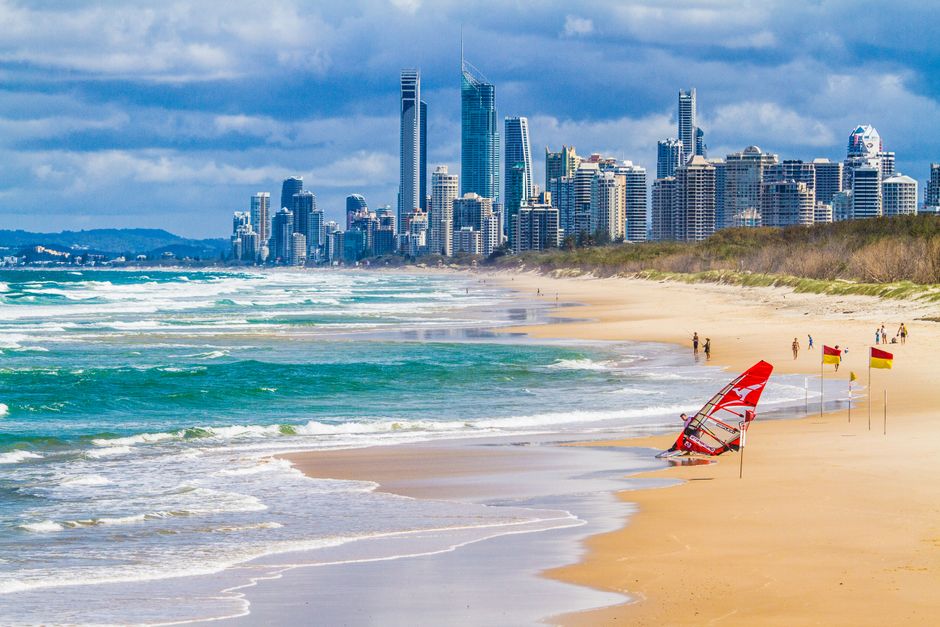
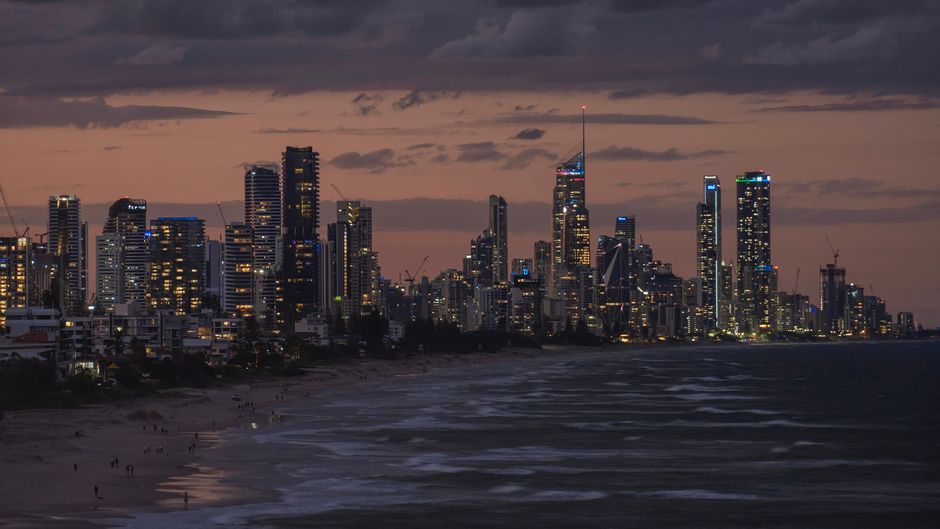
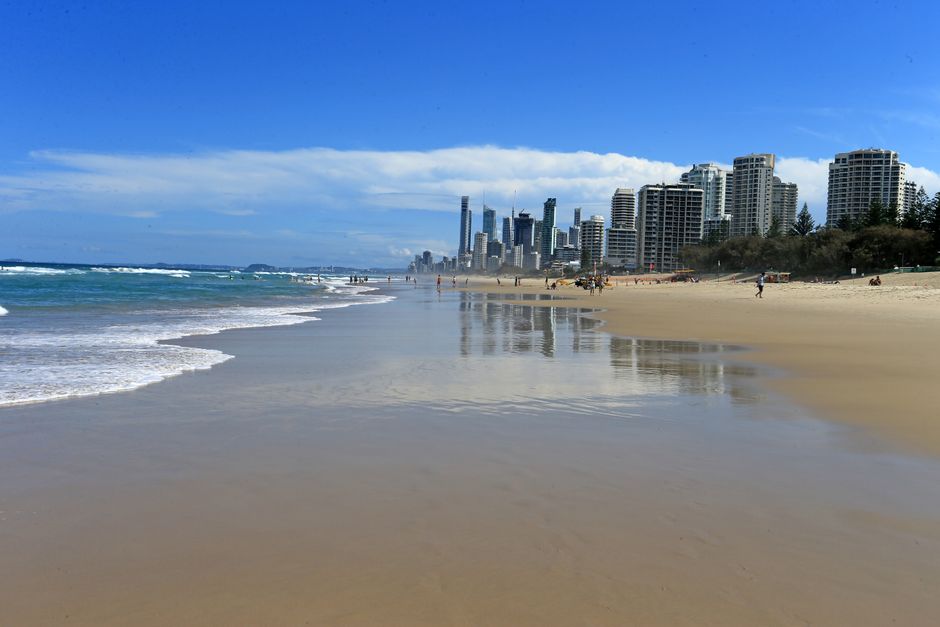
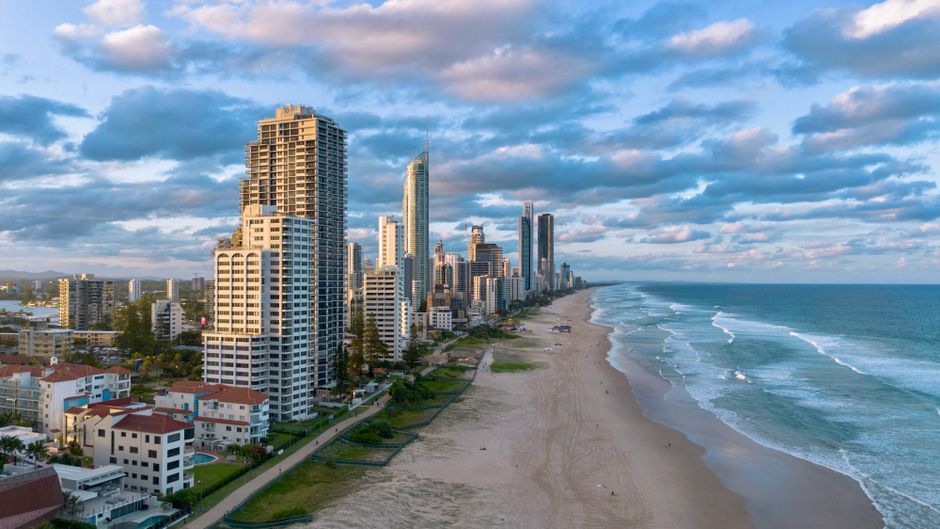
Walk through Surfers Paradise today and it's easy to forget that seventy years ago, this stretch of beachfront was largely undeveloped bushland. The Gold Coast's emergence as a cultural and creative hub wasn't inevitable—it was built by people with audacious visions and stubborn determination.
The story begins in the 1950s, when entrepreneur John Fitzgerald and a handful of developers recognised the potential of the pristine coastline. But it was the artistic community that truly shaped the region's identity. The Kunsthalle Gallery collective, established in the early 1980s in a converted warehouse in Coolangatta, became the epicentre of the emerging visual arts scene. Young painters, sculptors and installation artists were drawn to affordable studio space and the promise of beachside inspiration.
"The magic was in the proximity," explains the Gold Coast Cultural Heritage Society's archive, which documents this transformative period. "Artists lived and worked within walking distance of each other, creating a genuine creative ecosystem rather than isolated studios."
By the 1990s, this grassroots movement had attracted institutional attention. The opening of the Gold Coast City Gallery in 1994, nestled in the heart of Southport's cultural precinct, legitimised the region's artistic aspirations. Local philanthropists and business leaders began investing in cultural infrastructure—a move that would define the city's trajectory for decades.
The Broadbeach Performing Arts Centre, which opened in 2006, exemplified this evolution. Its creation involved years of advocacy from theatre groups and performing arts organisations that had been operating from makeshift venues and community halls since the 1970s. Today, it hosts over 300 performances annually and attracts international touring companies.
What's remarkable is how this cultural identity remained rooted in community even as the city globalised. The annual Bleach Festival, born from grassroots artist initiatives in Surfers Paradise in 2009, still celebrates emerging talent alongside established names. Street art precincts in Burleigh Heads showcase work by local muralists who cut their teeth in the underground scene.
The people who built this scene—artists who took studio space in unfashionable neighbourhoods, curators who championed local talent, administrators who fought council committees for funding—rarely make headlines. Yet their fingerprints are everywhere: in the creative confidence of Gold Coast venues, in the calibre of international attention the region attracts, in the thriving artist community that continues to expand.
Understanding this history matters. As the Gold Coast navigates its next chapter, the lesson embedded in its past is clear: culture isn't something imposed from above. It's built by people willing to imagine what a place could become, and stubborn enough to make it real.
This article was compiled by AI from the sources linked above and screened before publishing. See our editorial standards.