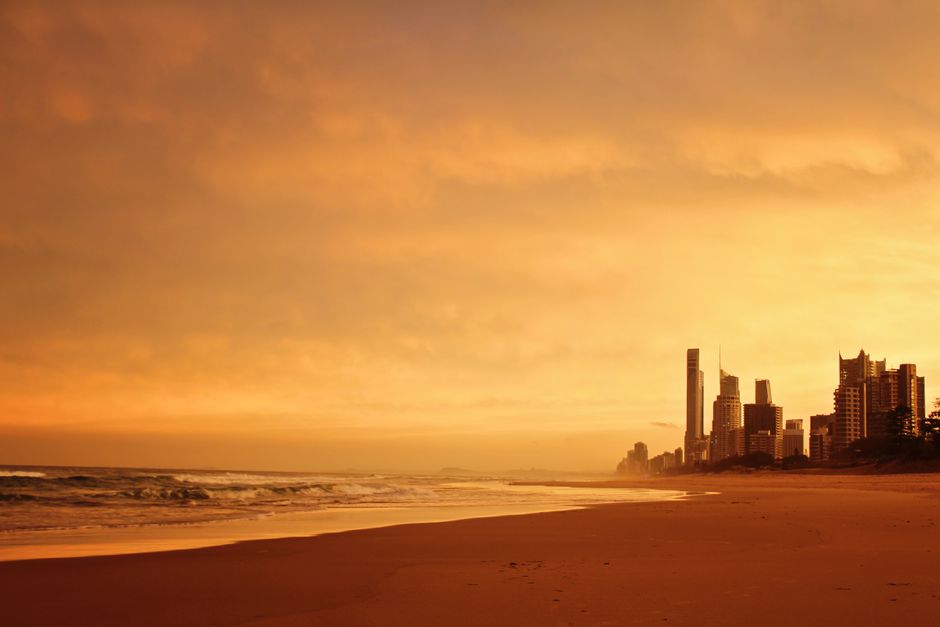
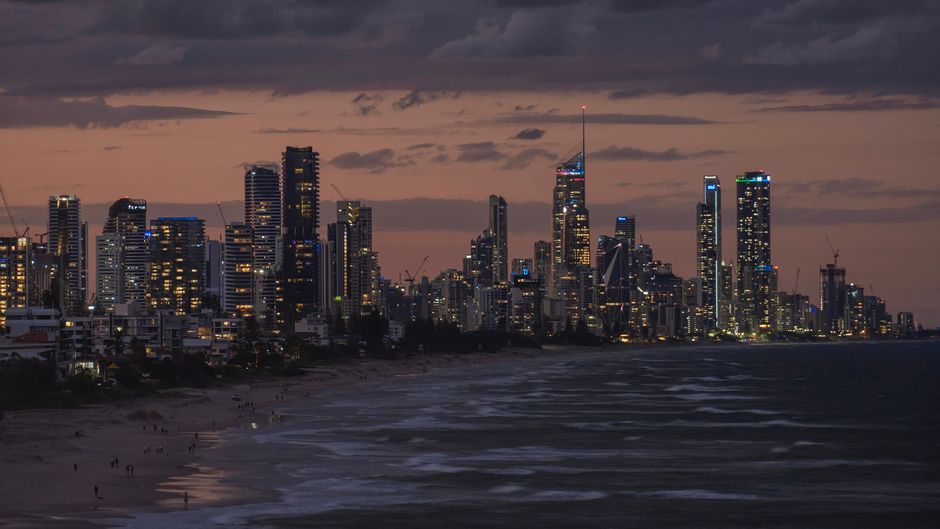
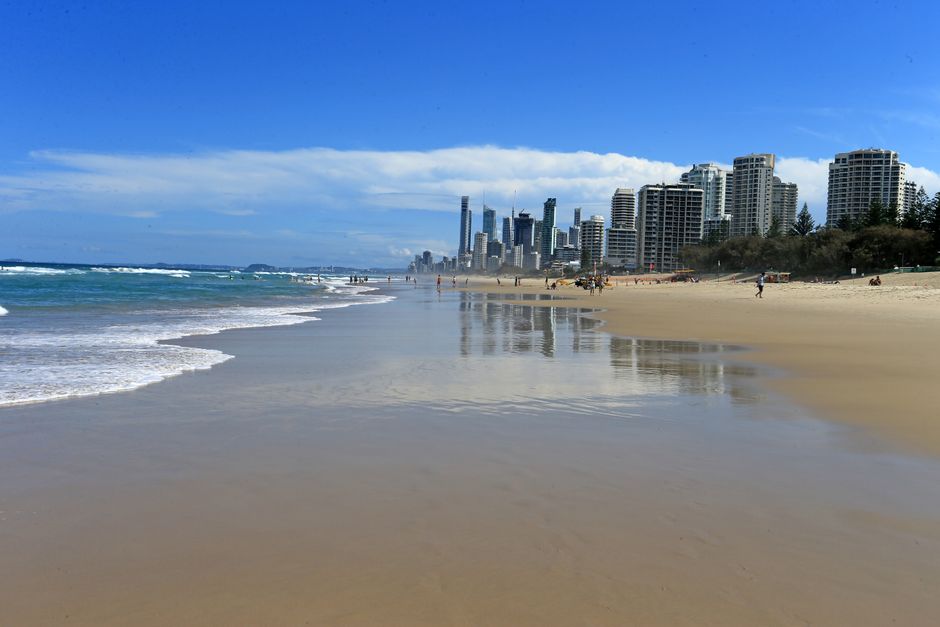
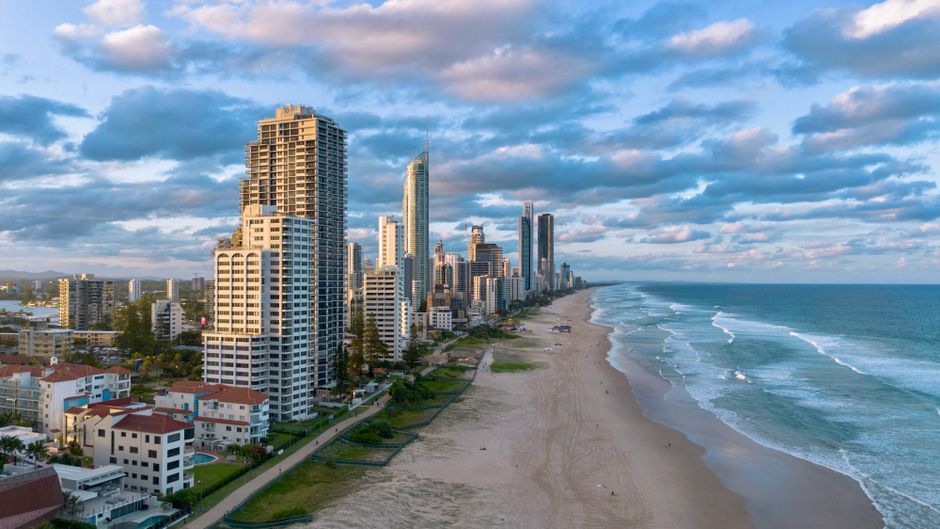
Walk through Southport's cultural precinct on any given weekend in 2026 and you'll find it difficult to recognise the Gold Coast of a decade ago. The city's transformation from sun-and-sand destination to legitimate cultural hub is no longer aspirational—it's measurable, tangible, and definitively reshaping how locals and visitors understand their city's identity.
The numbers tell part of the story. Gold Coast's festival calendar now hosts over 40 major events annually, drawing more than 2.8 million visitors to cultural venues, galleries and outdoor stages. That's a 34% increase since 2020. The cultural and creative industries now contribute approximately $1.2 billion to the local economy, employing nearly 8,000 people—rivalling retail and hospitality sectors that once dominated employment figures.
But economics don't capture the deeper shift. From the Gold Coast Film Festival's expansion into Broadbeach to the Bleach Festival's reinvigoration of Tallebudgera Valley, events are no longer clustered in tourist zones. They're distributed across neighbourhoods, activating street-level culture in Ashmore, Burleigh Heads, and the often-overlooked creative corridors of Surfers Paradise's laneway district.
The Queensland Museum's partnership with local independent galleries has created what curators call an "event ecosystem." Rather than isolated blockbusters, the city now offers layered programming: the Gold Coast Writers Festival in May connects to the Emerging Architects Exhibition in July, which feeds into the Design Precinct's autumn season. Attendees increasingly stay longer, spend wider across suburbs, and engage with cultural infrastructure beyond traditional tourism.
Venues themselves have evolved. The Arts Centre Gold Coast, once perceived as elite and intimidating, now hosts community-driven programming alongside classical work. Ticket prices range from $15 to $120, and 42% of attendees are now under 35—a demographic shift driven by affordable experimental theatre, indie music series, and digital art installations targeting younger audiences.
Street activations matter too. The monthly First Friday Art Walk along Cypress Avenue now attracts 3,000-plus participants. Pop-up galleries appear in vacant shopfronts. Muralists transform Nerang Street. The city council's $8 million investment in public art installations has created Instagram moments that organically market the destination—something traditional tourism campaigns struggle to achieve.
What's emerging is an identity less dependent on waves and weather. Gold Coast residents increasingly describe their city as creative, innovative, and culturally adventurous—not just beachside. That reputation, built festival by festival and neighbourhood by neighbourhood, may prove more durable than any tourism campaign. The Gold Coast isn't becoming something else; it's remembering it always had more dimensions than its postcard suggested.
This article was compiled by AI from the sources linked above and screened before publishing. See our editorial standards.