From Beach Town to Fashion Hub: How Gold Coast Became a Creative Powerhouse
Once synonymous with tourism and beachside kitsch, the Gold Coast's design and creative industries have undergone a sophisticated transformation over three decades.
Once synonymous with tourism and beachside kitsch, the Gold Coast's design and creative industries have undergone a sophisticated transformation over three decades.
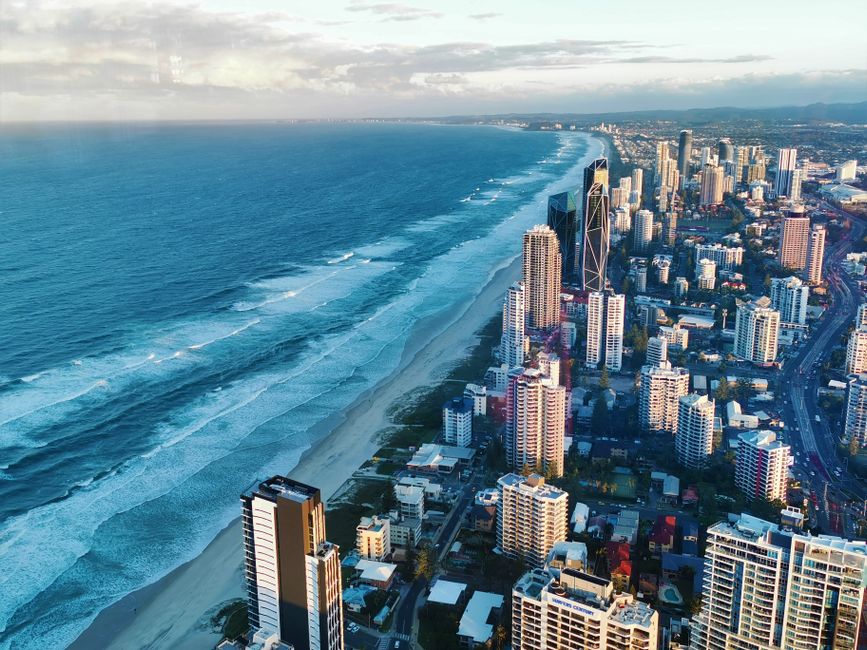
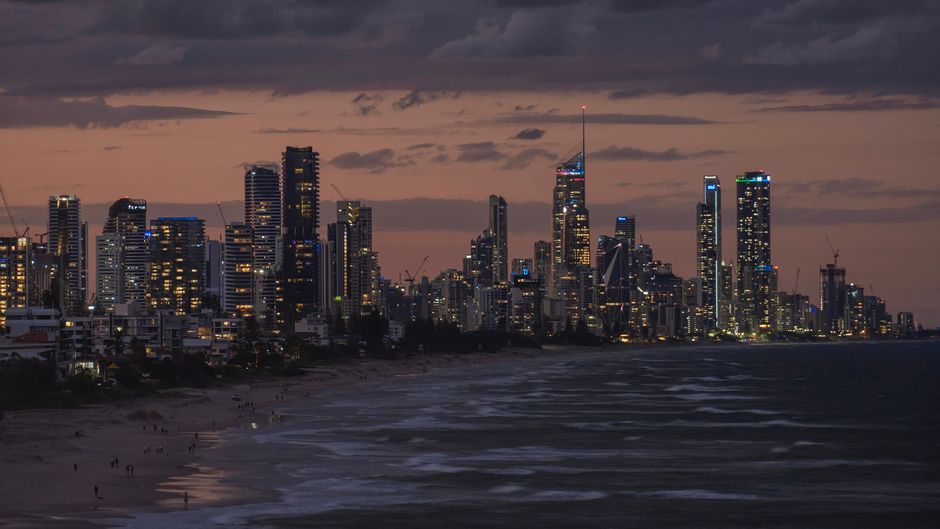
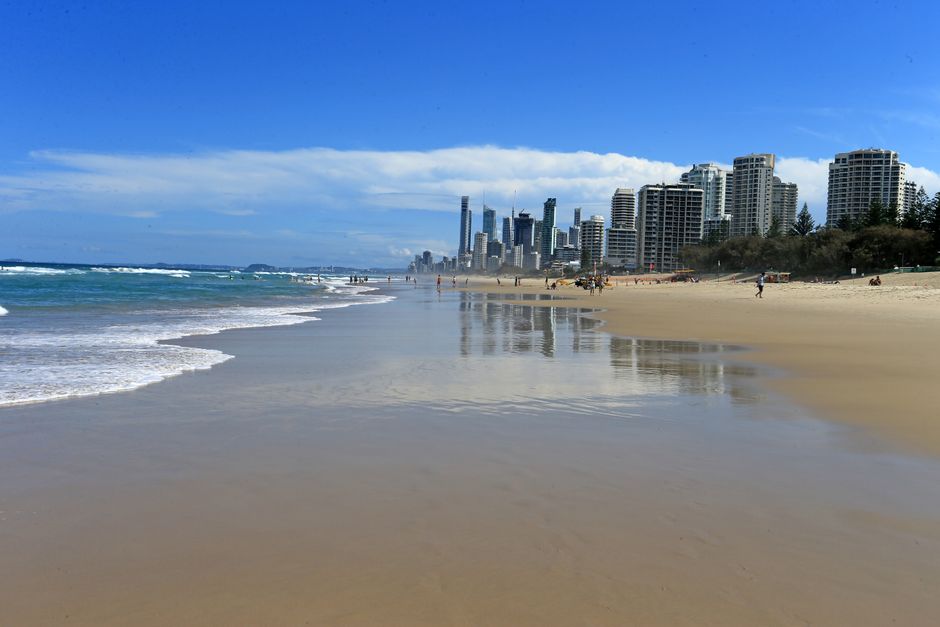
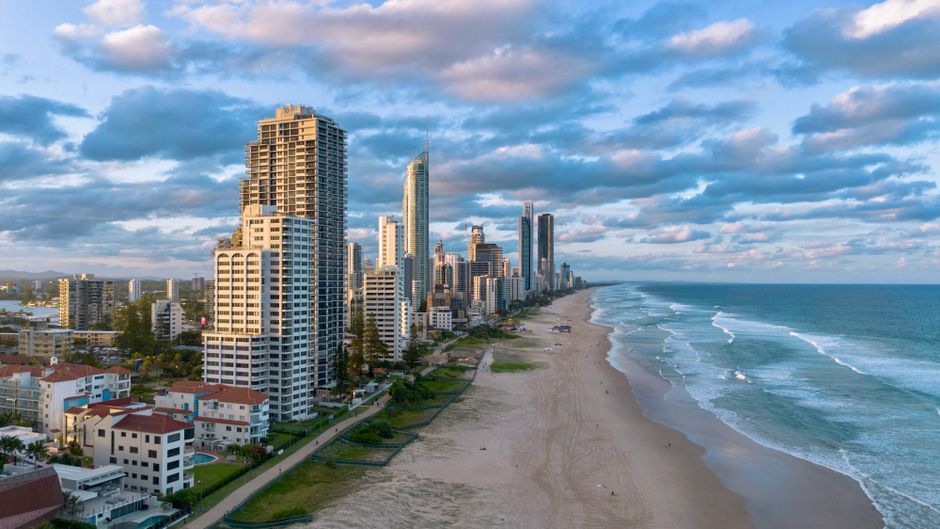
The Gold Coast's fashion and design renaissance didn't happen overnight. Walk through Surfers Paradise today and you'll see boutique design studios nestled between high-rises, but rewind to the 1990s and the city was still largely defined by its tan-and-thong tourism image. The creative industries sector has since become a genuine economic driver, now employing over 8,000 people across design, fashion, and allied creative fields—a growth of roughly 35 percent since 2015.
The shift began earnestly in the early 2000s when emerging designers started claiming spaces in Southport's creative precinct, particularly around the Surfers Paradise Boulevard corridor and the emerging Broadbeach creative quarter. What started as a handful of independent labels operating from converted warehouses near the Nerang River has blossomed into a recognisable ecosystem. Today, design studios, fashion ateliers, and creative agencies cluster around promising neighbourhoods like Mermaid Beach and the burgeoning Coolangatta creative strip.
Key institutional support arrived with the establishment of design-focused programs at local universities and the Gold Coast Design Awards (now in their 18th year), which have annually showcased emerging talent and attracted interstate attention. The annual Gold Coast Fashion Festival, born in 2008, transformed from a modest event into a multi-week celebration drawing international buyers and media.
The economic footprint is substantial. Local independent fashion retailers now collectively generate an estimated $180 million annually, while the broader creative industries contribute roughly $1.2 billion to the regional economy. Rental costs for studio spaces in Surfers Paradise have climbed from $12 per square metre in 2010 to around $35-45 today—a marker of both increased demand and rising professionalism.
What's particularly striking is how the scene has matured beyond tourism-driven souvenir aesthetics. Contemporary Gold Coast designers increasingly draw on the region's multicultural character and subtropical landscape to create work with national and international resonance. Textile designers, jewellery makers, and fashion technologists now call the coast home, many having relocated from Melbourne and Sydney specifically for the creative community and lifestyle balance.
Yet challenges persist. Younger designers cite rising operational costs and the lingering perception of Gold Coast fashion as secondary to Melbourne and Sydney establishments. Affordable studio space remains contested, and succession planning within established design businesses is uncertain as founders age.
Still, the trajectory is undeniable. The Gold Coast's creative industries have evolved from an afterthought to an asset—proof that with institutional support, entrepreneurial drive, and cultural patience, even a beach town can reinvent itself as a serious creative destination.
This article was compiled by AI from the sources linked above and screened before publishing. See our editorial standards.
Spread the word
About this article
Published by The Daily Gold Coast
Daily brief
Free, in your inbox before 7am. Weekdays.
More from Gold Coast