The Next Wave: Meet the Emerging Voices Redefining Gold Coast's Cultural Identity
A new generation of artists, historians and community custodians are reshaping how the city understands its past and imagines its future.
A new generation of artists, historians and community custodians are reshaping how the city understands its past and imagines its future.
Walk through Currumbin's heritage precinct or catch a performance at The Rip in Surfers Paradise, and you'll notice a shift. The Gold Coast's cultural conversation is being increasingly shaped by voices in their twenties and thirties—creators who grew up alongside the city's transformation and are now asking harder questions about what heritage actually means here.
The city's institutional memory has long been fragmented. Between indigenous Yugambeh Country, European settlement narratives, post-war migration stories, and the boom-bust cycles of tourism and property development, Gold Coast identity has always been contested terrain. But emerging curators, oral historians, and cultural workers are now actively threading these narratives together in ways that feel urgent and contemporary.
Consider the grassroots momentum around Southport's cultural precinct, where younger practitioners are partnering with older community members to document stories that never made it into official records. The median age of participants in Gold Coast cultural heritage projects has dropped noticeably in recent years, with local institutions reporting increased engagement from those under 40 in curatorial and community-led initiatives.
What distinguishes this wave isn't nostalgia—it's accountability. These voices are interrogating whose stories got told, who benefited from certain narratives, and what's been deliberately forgotten. Several emerging producers and historians are working across the hinterland communities, Indigenous cultural centres, and neighbourhood associations to surface counter-narratives alongside official heritage discourse.
The shift is visible in smaller ways too. Independent cultural programming in spaces like Palm Beach and the inner city precincts increasingly reflects a more critical, diverse approach to local history. Young curators are hosting conversations about land use, migration patterns, and cultural continuity that older programming rarely addressed with such directness.
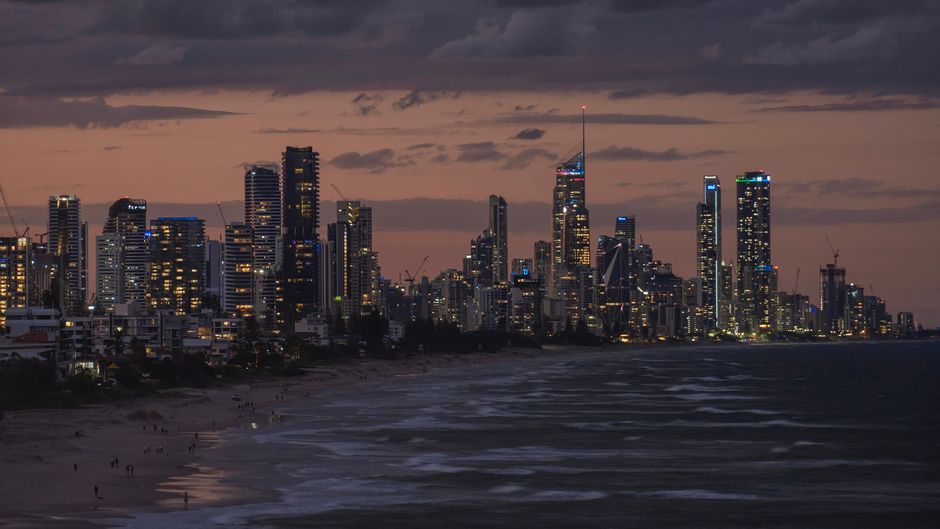
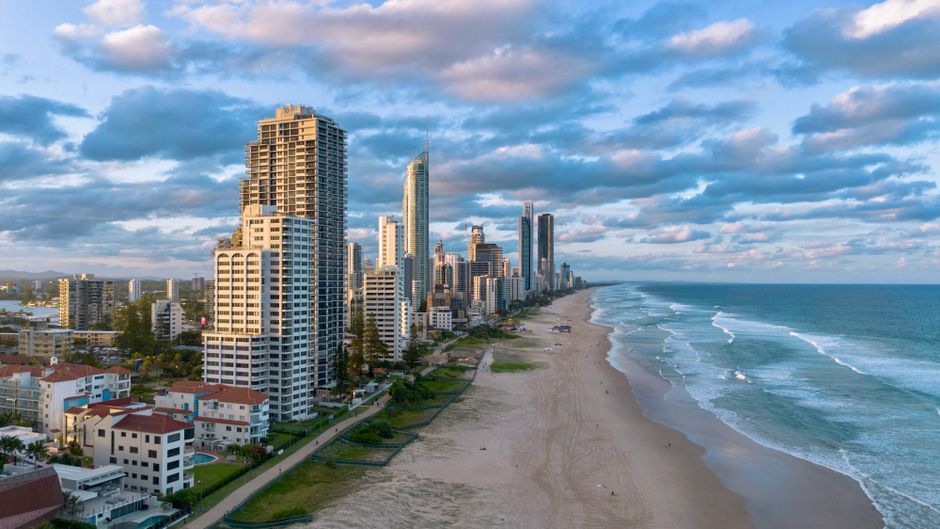
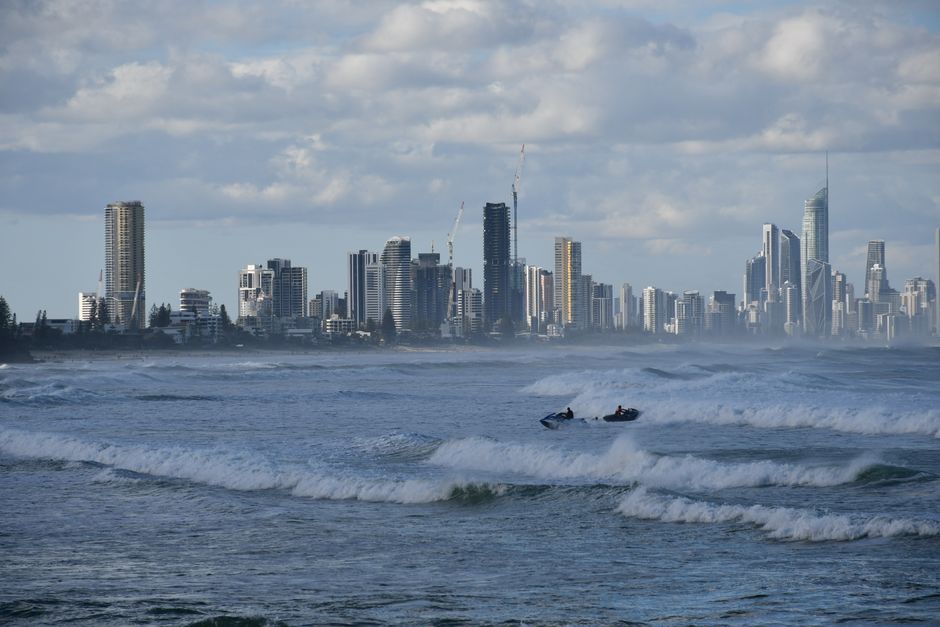
What makes this moment particularly significant is timing. As property development continues reshaping physical Gold Coast—with significant building activity across the CBD and surrounding areas—there's palpable urgency among younger cultural workers to document and interpret what's being lost or transformed. Some have launched independent archive projects; others are collaborating with local councils and museums to ensure contemporary community voices shape heritage interpretation, not just historical documentation.
The work is often unglamorous and underfunded. But across studios in Miami, community rooms in Ashmore, and pop-up spaces throughout central Gold Coast, a generation is quietly insisting that cultural identity isn't something inherited passively. It's something actively made, contested, and reimagined. They're watching, and they're not waiting for permission.
This article was compiled by AI from the sources linked above and screened before publishing. See our editorial standards.
Spread the word
About this article
Published by The Daily Gold Coast
Daily brief
Free, in your inbox before 7am. Weekdays.
More from Gold Coast