finance
Gold Coast Businesses Navigate Property Decline and Rising Energy Costs
From cooling property prices to rising energy costs, the forces reshaping the Gold Coast economy are landing all at once, and local operators need to move quickly.
How we reported this
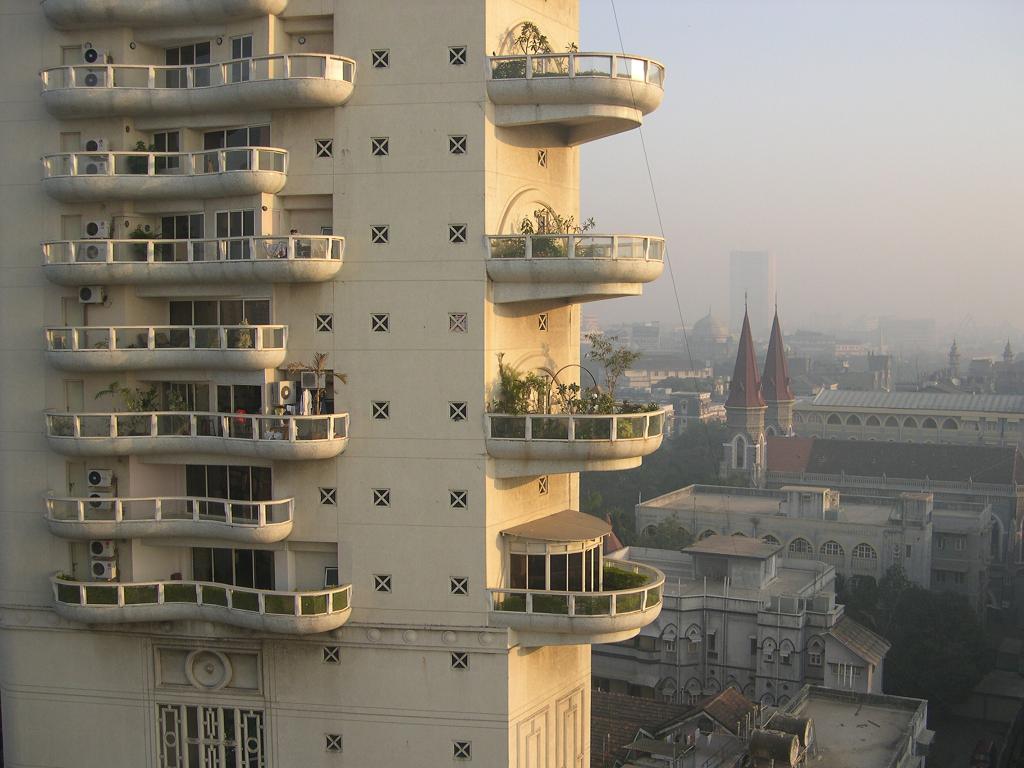
The Gold Coast economy is under genuine pressure heading into the second half of 2026. Property transaction volumes have softened, electricity costs remain a live political and operational headache for businesses nationwide, and consumer confidence on the strip is patchy at best. For local operators, whether they're running a hospitality venue on Orchid Avenue or managing a logistics depot near Yatala, the signals right now demand attention.
The national property slowdown is hitting Queensland's tourism capital with real force. Cooling conditions that have slowed buyer activity in Sydney and Melbourne are now clearly present on the Gold Coast. The critical local angle: when residential property sentiment weakens, discretionary spending follows. Retailers and hospitality businesses in precincts like Broadbeach and Surfers Paradise typically feel that sentiment shift within one to two quarters, as both locals and interstate visitors tighten household budgets before committing to travel or lifestyle spending.
Energy Costs Are the Immediate Pressure Point
Energy pricing is the most immediate cost challenge for Gold Coast businesses right now. The national debate, with federal Labor and the Coalition clashing over electricity relief measures this week, has direct operational consequences for local firms. Small and medium businesses on the Gold Coast that have not locked in fixed energy contracts in the past 12 months are now exposed to higher variable rates. The Gold Coast Business Chamber has previously flagged energy as a top-three cost concern for its membership base, and conditions have not improved materially since.
Businesses in the manufacturing and food production sectors clustered around the Molendinar and Burleigh Heads industrial areas are particularly exposed. Energy-intensive operations that run refrigeration, commercial ovens, or production equipment around the clock have seen input costs climb faster than their ability to pass those costs on through pricing. Hospitality operators, already carrying post-pandemic wage increases and higher food input costs, have less margin buffer than at any point in the past decade.
The Gold Coast City Council's City Deal investment framework, which covers infrastructure and economic development commitments across the city, is still channelling capital into light rail extension works and the Herston Quarter-style health and knowledge precinct concept around Southport. That public investment does provide some structural demand for construction, professional services, and trades businesses, but it is not a short-term fix for the cash-flow pressures hitting retail and hospitality today.
What Local Businesses Should Be Doing Right Now
First home buyer hesitancy nationally, documented in Australian property data published this week, is particularly relevant for Gold Coast businesses tied to the residential property cycle. Furniture retailers, appliance stores, renovation suppliers, and mortgage brokers operating out of centres like Pacific Fair at Broadbeach or Robina Town Centre will be tracking foot traffic and conversion rates carefully. Deals are taking longer to close. That is not a temporary blip, it reflects genuine affordability constraints that are unlikely to unwind before mid-2027 at the earliest.
For the broader business community, three practical responses make sense right now. Operators should review energy contracts before the end of July, the window to lock in more favourable fixed rates may narrow further if wholesale market volatility continues. Businesses carrying discretionary inventory should stress-test their stock levels against a scenario where consumer spending stays flat through the September quarter. And any operator reliant on fly-in visitor trade from southern states should be watching interstate property equity levels closely, when homeowners feel less wealthy on paper, Gold Coast holiday spending is typically one of the first line items cut.
The Gold Coast retained strong international visitor numbers through early 2026, and the Cbus Super Stadium precinct at Robina continues to anchor major events that drive short-burst hospitality revenue. But event-driven peaks cannot substitute for consistent baseline trade. Businesses that build their cost structures around the assumption of steady traffic, rather than spikes, will be better positioned when the market finds its floor.
This article is general information only and is not personal financial or investment advice. Consider your own circumstances and seek licensed professional advice before making financial decisions.