finance
Gold Coast Business Pulse: Market Trends Every Local Operator Needs to Watch Right Now
From softening property prices to energy reliability pressures, the mid-2026 climate is testing Gold Coast businesses in ways that demand sharper planning.
Listen in English · 4 min
How we reported this
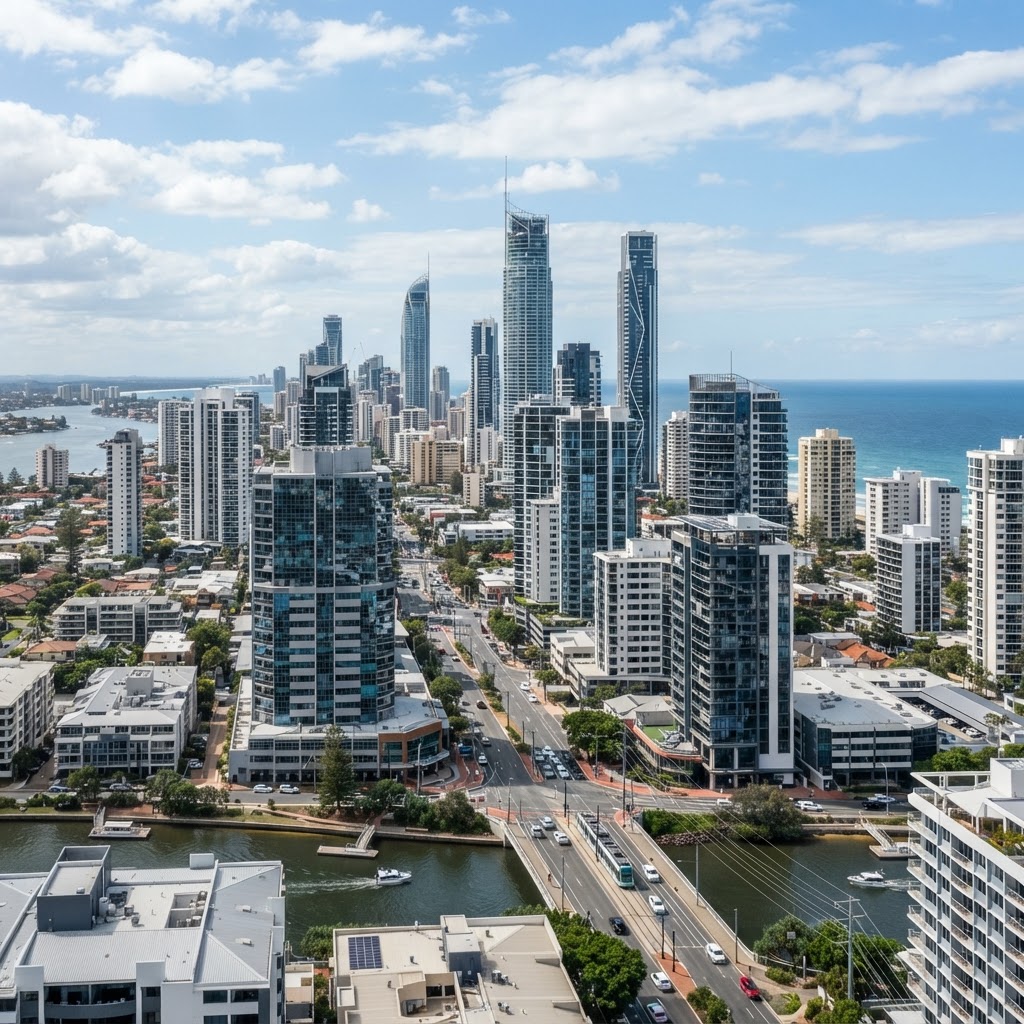
The Gold Coast economy is entering the second half of 2026 with a mixed set of signals. Property transaction volumes are softening across Southeast Queensland, energy costs remain volatile for commercial operators, and consumer confidence has not fully recovered from two years of elevated interest rates. For local businesses from Coolangatta to Coomera, the conditions reward preparation over optimism.
Why does this moment matter? The Reserve Bank of Australia's rate-cut cycle, which began in early 2025, was supposed to unlock consumer spending. It has done so unevenly. Hospitality and tourism-facing operators along the Surfers Paradise strip report reasonable foot traffic through the June school holiday period, but discretionary retail has been slower to respond. Businesses that locked in long leases or expanded headcount ahead of a recovery that arrived in partial instalments are now reassessing their cost structures.
Property Cooling Creates Both Risk and Opportunity
Residential property is the economic subsoil beneath almost everything on the Gold Coast. When it shifts, so does confidence. Nationally, property price growth has decelerated through the June quarter of 2026, with first-home buyer activity notably subdued, a trend confirmed by recent reporting from national outlets tracking clearance rates and lending data. On the Gold Coast, that cooling is visible in the Broadbeach Waters and Mermaid Beach precincts, where listing volumes have risen and average days-on-market have stretched compared with the frantic conditions of 2023.
For commercial operators, this has a practical dimension. Construction cost pressures, which peaked in 2023 and 2024, have eased slightly, making fitout and refurbishment projects more financially viable than they were 18 months ago. Businesses in the Pacific Fair shopping precinct at Broadbeach and along the Robina Town Centre corridor have an opening to negotiate more competitive lease terms as landlords face softened tenant demand. The Gold Coast City Council's planning data for the 2025-26 financial year, published in its quarterly development activity reports, tracked a moderation in new commercial DA approvals compared with the previous year's peak, suggesting the supply pipeline is not accelerating into a weak demand environment.
Energy Costs and the Standalone Power Problem
One pressure point receiving less attention than property is energy. Nationally, there is growing concern about the reliability and maintenance costs of off-grid and standalone power systems, a problem particularly acute for agricultural and remote operators. On the Gold Coast, the issue manifests differently: commercial energy tariffs for businesses in industrial zones such as Molendinar and Yatala remain elevated, and grid reliability during peak-demand periods, particularly the summer months ahead, is a genuine operational risk for manufacturers and cold-chain logistics operators.
Businesses in the Yatala Enterprise Area, one of Southeast Queensland's largest industrial precincts, should be conducting energy audits before Q3 2026 closes. Solar-plus-battery installations have reached a cost threshold where the payback period for a medium-sized commercial facility is now estimated at between five and eight years, down from closer to ten years in 2020, according to Clean Energy Council data published earlier this year. The federal government's Small Business Energy Incentive, which applied for the 2023-24 tax year, has expired, but Queensland state-level rebate programs for commercial energy efficiency upgrades remain accessible through the Department of Energy and Climate.
The practical advice for Gold Coast operators heading into the second half of 2026 is concrete: review lease terms before automatic renewals trigger, get at least two energy audit quotes before the summer demand peak arrives, and do not assume that the national property softening will leave local commercial rents untouched. Chambers of commerce at both Surfers Paradise and Burleigh Heads have scheduled networking and briefing events through July and August specifically focused on cost management. Attending those sessions, or at minimum reviewing the materials they distribute, is a low-cost way to benchmark your own position against what peer businesses in the same postcode are experiencing. The Gold Coast economy is resilient, but resilience in 2026 is an active, not a passive, condition.
This article is general information only and is not personal financial or investment advice. Consider your own circumstances and seek licensed professional advice before making financial decisions.