finance
Global Economic Pressures Squeeze Gold Coast Businesses Amid Rising Costs
From electricity prices to a softening property market, international pressures are landing squarely on Surfers Paradise shopfronts and Southport boardrooms.
How we reported this
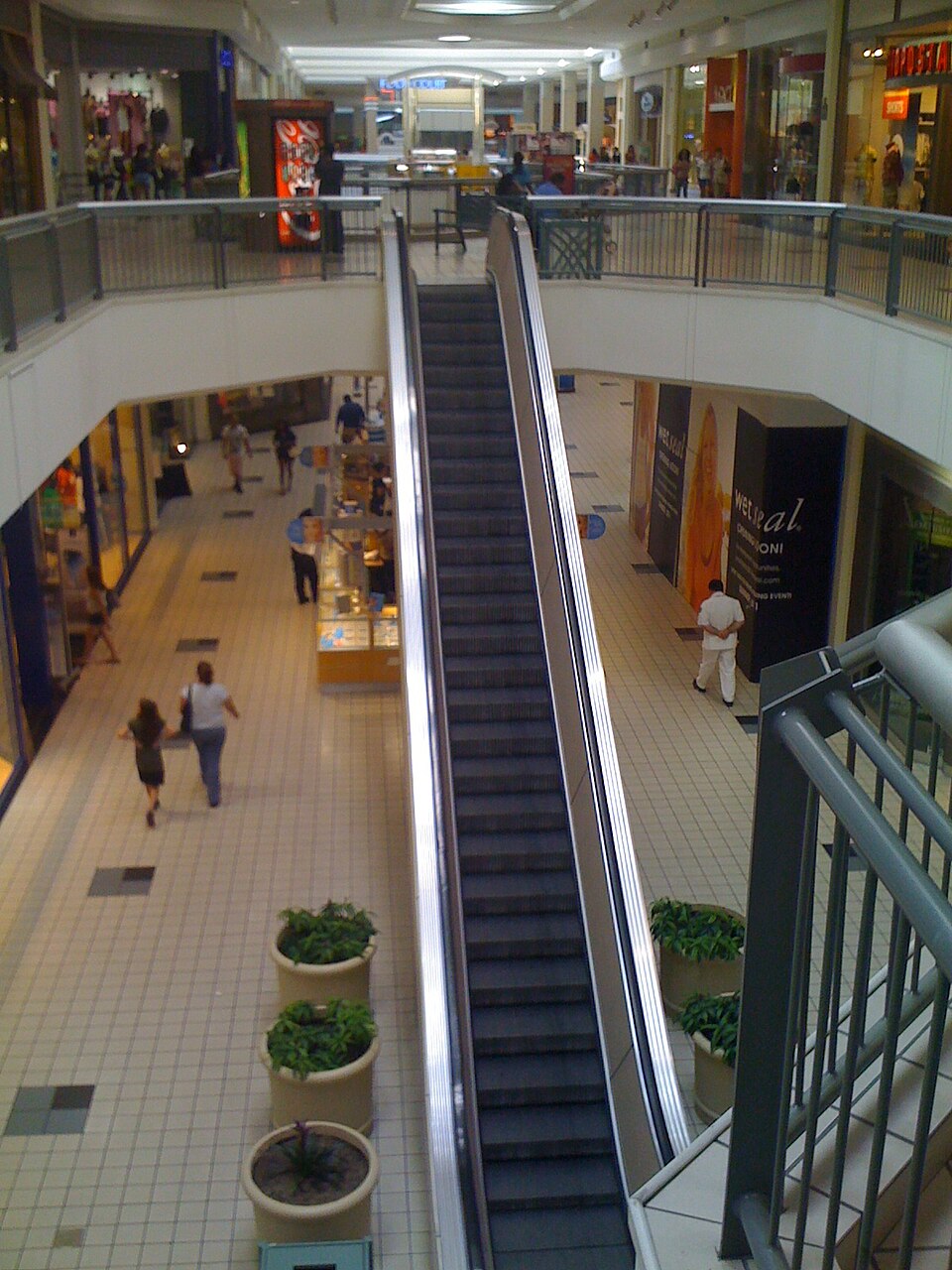
Gold Coast businesses are entering the second half of 2026 facing a tighter squeeze than most had forecast at the start of the year. Rising energy costs, a cooling residential property market, and ongoing volatility in global supply chains are converging on one of Australia's fastest-growing cities, and local operators say the pressure is real and immediate.
The timing matters. Federal parliament this week saw sharp exchanges between the Labor government and the Coalition over electricity pricing, with Energy Minister Chris Bowen defending the government's record as Angus Taylor attacked it. For businesses on the Gold Coast, that debate is not abstract. Commercial electricity tariffs remain elevated across Southeast Queensland, and the cost of running large retail or hospitality spaces, particularly the strip of venues along Cavill Avenue and the Oracle Boulevard precinct in Broadbeach, has become a line item that owners can no longer absorb quietly.
Property Cooling Hits a Market Built on Confidence
The national property picture adds another layer of complexity. Australian dwelling values have softened through the first half of 2026, with first-home buyers notably pulling back from commitments. On the Gold Coast, that translates directly into less foot traffic for the furniture retailers, interior design studios, and whitegoods merchants clustered around Bundall Road and the Home Hub Pacific Fair precinct at Hooker Boulevard, Broadbeach Waters. When fewer people are settling into new homes, discretionary retail tied to the housing cycle feels it within weeks.
The Real Estate Institute of Queensland reported earlier this year that Gold Coast median house prices had stabilised after a multi-year run-up, with unit prices in suburbs like Main Beach and Robina showing modest quarterly softening. Developers with projects in the pipeline, including several mixed-use towers approved for the Southport Priority Development Area, are watching settlement rates carefully as buyer confidence wobbles nationally.
At the same time, the city's tourism and hospitality sector is navigating a different kind of global pressure. International arrivals through Gold Coast Airport at Coolangatta remain below pre-2020 peaks in some key source markets, while operating costs have climbed. The Star Gold Coast, the major integrated resort on Broadbeach Island, along with the concentrated cluster of hotels along the northern Surfers Paradise beachfront, faces the same energy and labour cost environment as every other hospitality operator, but with a business model that depends on high volume and thin margins per room night.
Energy Costs and the Small Business Crunch
For smaller operators, the energy question is particularly acute. Standalone and grid-dependent businesses alike are contending with commercial tariff structures that have not eased in line with any political rhetoric. A café or a beauty salon in the Chevron Renaissance shopping complex or along Ferry Road, Southport, running refrigeration, climate control, and commercial equipment through winter might expect quarterly bills well above what they budgeted for at the start of their lease. Industry groups including the Gold Coast Business Chamber have pointed to energy affordability as a top-three concern for members throughout the first two quarters of 2026.
The federal government's electricity relief measures, which provided household rebates through the 2024-25 financial year, were not uniformly extended to small commercial customers, leaving a gap that many local operators have had to absorb through reduced margins or reduced hours.
What should Gold Coast businesses do with this? Three things are worth acting on before the end of July. First, review commercial energy contracts, many expired on June 30 and rolling onto default rates is expensive. Second, for any business tied to residential property turnover, revisit Q3 and Q4 sales forecasts with conservative assumptions rather than optimistic ones. Third, businesses in the tourism and hospitality strip should watch the federal government's next scheduled update on inbound tourism settings, expected later this month, which will signal whether short-haul Asian visitor numbers are likely to recover before the summer peak season.
The Gold Coast has weathered economic cycles before. But the current moment stacks several distinct global pressures simultaneously, and the businesses that plan for that reality now will be better placed when conditions shift.
This article is general information only and is not personal financial or investment advice. Consider your own circumstances and seek licensed professional advice before making financial decisions.