Gold Coast Businesses Navigate Shifting Markets as Property Cools, AI Costs Rise
From cooling property sentiment to AI infrastructure pressure, Gold Coast businesses are navigating a shifting economic landscape heading into the second half of 2026.
From cooling property sentiment to AI infrastructure pressure, Gold Coast businesses are navigating a shifting economic landscape heading into the second half of 2026.
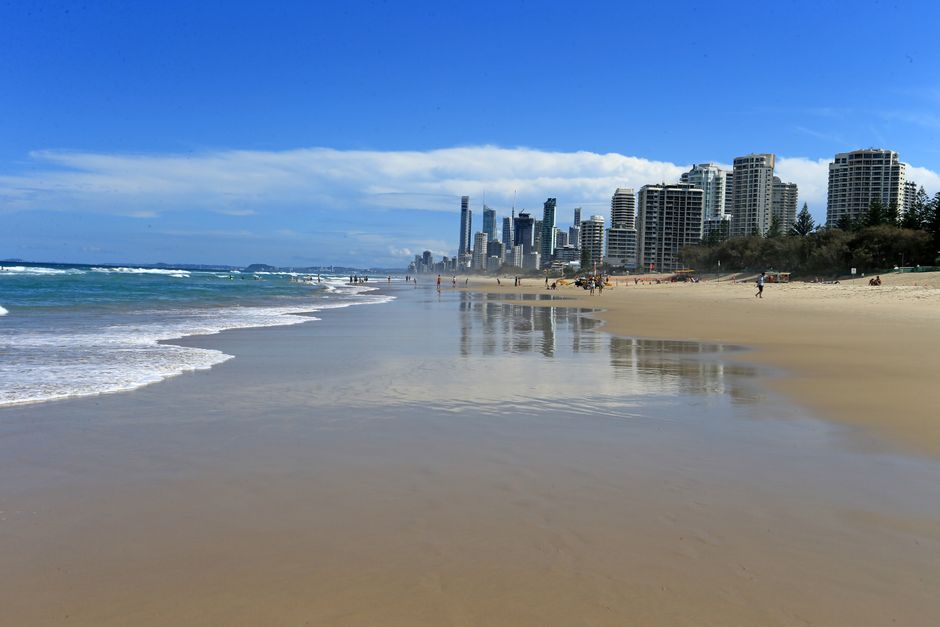
Property investor activity has slumped across Australia's east coast capital cities, and the Gold Coast is not insulated from the fallout. Auction clearance rates in Melbourne have hit multi-year lows following the state budget, and analysts tracking the broader Queensland market say investor caution is creeping north. For Gold Coast commercial operators — particularly those in retail and hospitality precincts like Surfers Paradise and Broadbeach — that means the easy money of property-backed business expansion is drying up fast.
The timing matters. Mid-2026 is typically when Gold Coast businesses lock in their second-half strategies, renegotiate leases, and assess whether to open new locations or consolidate. Doing that now, with residential investor sentiment weak and industrial land under competitive pressure from data centre developers, requires sharper thinking than the city's business community has had to apply since the post-pandemic reopening surge of 2022.
Here is the problem no one in Gold Coast logistics was expecting eighteen months ago: industrial land is getting harder to secure and more expensive to hold. Nationally, the rapid rollout of AI data centre infrastructure is competing directly with freight, warehousing, and light manufacturing for the same zoned parcels. On the Gold Coast, that pressure is being felt most acutely in the Yatala Enterprise Area and along the Motorway Corridor between Oxenford and Ormeau, where land values have risen sharply as operators from Brisbane's south push further down the M1.
Businesses that rely on warehousing or last-mile delivery hubs — think food distributors servicing the Broadwater Parklands precinct or equipment suppliers tied to the construction boom around Coomera — are being squeezed between rising holding costs and tenant competition they have not seen before. The Gold Coast City Council's Local Government Infrastructure Plan nominates Yatala as a key industrial growth node, but supply is not expanding fast enough to absorb current demand.
For small and medium operators, the practical implication is straightforward: if your lease is up for renewal in the next 12 months and your premises sit in any industrial-zoned corridor between Ormeau and Arundel, get legal and commercial advice now rather than at the six-week mark. Waiting will cost money.
First home buyers nationally are pulling back from the property market despite falling prices — a signal that consumer confidence among younger demographics is softer than headline employment figures suggest. For Gold Coast's food, beverage, and lifestyle retail sectors, that demographic gap is worth watching. The Pacific Fair Shopping Centre in Broadbeach and the Oracle precinct on the Surfers Paradise beachfront both skew toward discretionary spending categories that feel consumer confidence shifts before macro data confirms them.
Foot traffic monitoring by the Gold Coast Tourism Bureau has historically tracked visitor numbers through the winter school holiday period as a leading indicator for the broader retail year. The July school holidays, which run from June 28 through July 13, represent one of the city's strongest domestic visitation windows. Businesses that have staffed up and stocked accordingly stand to capture solid revenue. Those that cut costs heading into winter risk leaving margin on the table during one of the few reliable demand spikes the calendar offers.
There is also a structural opportunity opening in the social media and digital marketing space. Meta's global crackdown on AI-generated impersonation accounts — reportedly affecting millions of profiles in recent weeks — is reshaping how local brands build authentic audiences online. Gold Coast businesses that have invested in genuine community engagement rather than growth-hacked follower counts are likely to see relative gains as platform algorithms reward verified, original content over automated noise.
The practical advice for July 2026 is this: review your industrial lease position, front-load your winter holiday marketing, and treat your digital audience as a real asset worth protecting. The businesses that come out ahead in the second half of this year will be those that treated a complicated macro environment as a reason to act, not wait.
Spread the word
About this article
Published by The Daily Gold Coast
Daily brief
Free, in your inbox before 7am. Weekdays.
More from Gold Coast