Global Shifts Hit Gold Coast: Business Adapts to Economic and Property Upheaval
Tech demand, cooled property prices and commodity moves are reshaping local fortunes on the Gold Coast as global volatility arrives at the city’s doorstep.
Tech demand, cooled property prices and commodity moves are reshaping local fortunes on the Gold Coast as global volatility arrives at the city’s doorstep.

The Gold Coast’s glittering business scene is feeling the pulse of global uncertainty this July, as tremors from cooling Australian property markets, mining sector shake-ups and the rapid rise of AI technology ripple into the city’s major growth corridors.
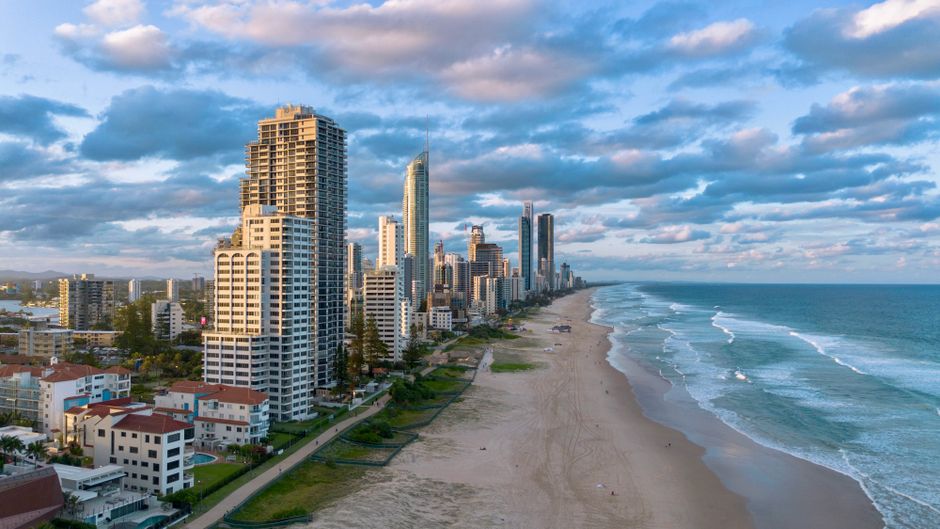
With Melbourne’s auction clearance rates hitting a six-year low last weekend and national experts warning about datacentre land grabbing, several Gold Coast investors and business owners are recalibrating. These macro shifts aren’t just theoretical—they’re changing deals on Surfers Paradise beachfront and in office suites along Bundall Road right now.
Local agents say that a marked slowdown in southern property investment is feeding through to mainstay Gold Coast markets. Ray White Surfers Paradise reported a 27% decline in out-of-town bidders at their June auctions, echoing reports from agents in Broadbeach and Southport. Meanwhile, precincts like Arundel and Molendinar—where logistics and tech operations are setting up—are seeing fierce competition for industrial land as datacentre operators and freight groups rush for space.
In Southport, the Paradise Centre’s major retail tenants have been reviewing expansion plans as discretionary spending softens. Meanwhile, Bond University’s business incubator off Varsity Parade is fielding new inquiries from AI startups displaced by Sydney’s booming site prices. “It’s suddenly much cheaper to launch from Robina or Burleigh,” one commercial advisor observed, noting the $300-a-square-metre difference in rents compared to Sydney tech hubs.
According to CoreLogic, Gold Coast median house prices fell 2.2% in June, the first drop since 2021. The local vacancy rate nudged up to 2.6%, another warning sign for developers. International data on commodity flows is also relevant; the proposed revival of the Katanning gold mine in Western Australia has piqued the interest of Southport-based fund Frontline Resources, which specializes in gold equities and has already flagged possible job impacts for its Smith Street headquarters depending on WA regulatory timelines.
Nationally, Australian datacentres are projected to soak up 140 hectares of land by 2027, pressuring city councils on the Gold Coast to accelerate reviews of precincts like the Yatala Enterprise Area. Major operators—including a new entrant near Helensvale—suggest 50-80 new local positions may open just for site construction and facility management roles if planning approvals go through by year’s end.
Looking ahead, business owners are advised to monitor movements closely: the next Reserve Bank decision is scheduled for July 16, which could tilt borrowing costs, and Gold Coast City Council is set to host a public briefing about foreign investment trends at HOTA on July 18. Local chambers recommend maintaining open channels with southern partners, renegotiating commercial leases proactively, and keeping an eye on infrastructure project timelines. It’s clear the Gold Coast’s fortunes remain tightly tethered to global economic winds—and for business leaders, agility and vigilance are now the order of the day.
Spread the word
About this article
Published by The Daily Gold Coast
Daily brief
Free, in your inbox before 7am. Weekdays.
More from Gold Coast