Gold Coast Office Market Tightens: What Businesses Need to Know Right Now
Vacancy rates are falling, rents are climbing, and the window for negotiating a favourable lease on the Gold Coast is closing faster than many tenants realise.
Vacancy rates are falling, rents are climbing, and the window for negotiating a favourable lease on the Gold Coast is closing faster than many tenants realise.
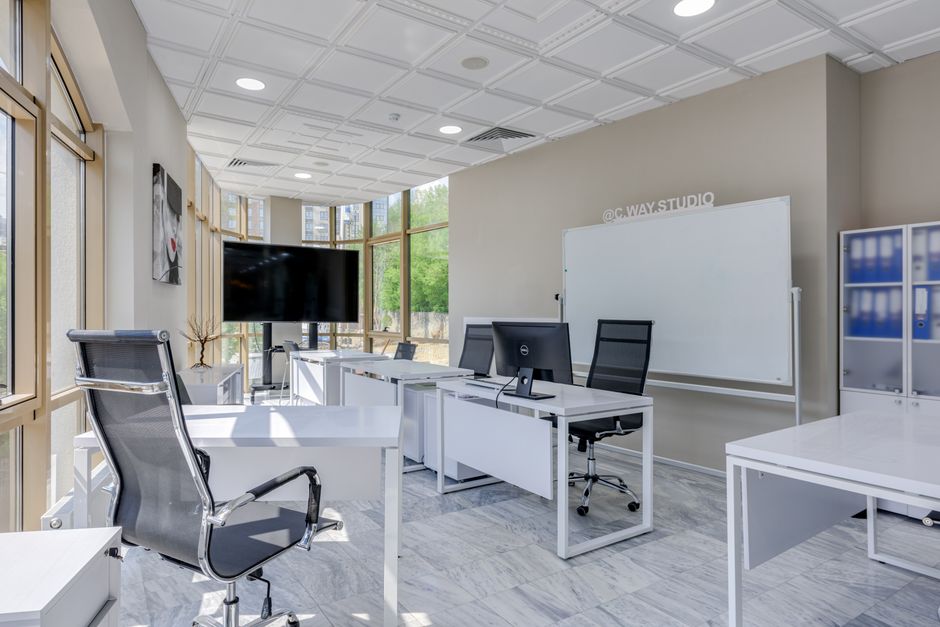
The Gold Coast commercial property market has shifted decisively in favour of landlords. Prime office vacancy in the Southport CBD corridor dropped to approximately 8.2 percent in the first half of 2026, down from 11.4 percent at the same point in 2024, according to figures tracked by local property analysts. For businesses sitting on expiring leases or planning expansion, that number matters — it means less stock, less leverage and higher asking rents than tenants have faced in nearly a decade.
The timing is not coincidental. Three structural forces have converged at once: a post-pandemic flight to quality that has gutted B-grade stock as occupiers upgrade, a near-halt in new office construction on the back of elevated building costs, and a sustained inflow of interstate and international firms treating the Gold Coast as a genuine alternative to Brisbane's increasingly expensive fringe markets. National competition for industrial land — sharpened by the scramble to site AI datacentres — is also pushing some smaller tech-adjacent businesses toward office accommodation rather than hybrid industrial-office space they might previously have leased.
Chevron Island and the Bundall precinct remain the two most contested office markets on the coast right now. Net face rents along Bundall Road have pushed past $420 per square metre per annum for refurbished A-grade suites, with incentives — which were running at 20 to 25 percent as recently as mid-2024 — now compressed to somewhere between 12 and 15 percent in well-occupied buildings. That is a meaningful shift: a tenant leasing 400 square metres two years ago might have banked $40,000 in effective rent relief; today they would be lucky to see half that.
Surfers Paradise remains a slightly different story. The northern end of the Golden Mile strip, particularly the stretch between Hanlan Street and Cavill Avenue, still carries pockets of vacancy in older 1980s-era towers where owners have been slow to reinvest. Savvy tenants with some flexibility on fit-out and location can still find face rents in the $310 to $340 range there, but the trade-off is ageing amenity and car parking ratios that do not suit modern staffing models. The Health and Knowledge Precinct at Southport — anchored by Gold Coast University Hospital and Griffith University's clinical facilities — has emerged as a genuine alternative for professional services firms wanting proximity to that employment catchment without Bundall's pricing.
The pipeline tells the story bluntly. There is no significant new speculative office supply expected to reach completion on the Gold Coast before late 2027 at the earliest. One mixed-use tower proposed for the Southport Town Centre zone has a development approval but has not broken ground. That effectively means the current supply crunch runs for at least another 18 months, and possibly longer if construction finance remains tight.
For businesses with lease expiries falling between now and December 2027, the practical advice from market observers is consistent: start renewal negotiations immediately, not six months out. Landlords in well-occupied Bundall and Chevron Island buildings are fielding competing inquiries and have limited incentive to offer holdover terms on anything close to existing rent. Businesses that have historically waited until 90 days before expiry are finding the leverage equation has reversed entirely.
Fitout costs deserve attention separately. Construction inflation has pushed base fitout budgets in Gold Coast offices to between $1,200 and $1,600 per square metre for a competent commercial fit, compared with around $900 three years ago. Tenants should factor this into any negotiation over landlord contribution — and resist the instinct to accept a smaller incentive in exchange for a lower face rent, since the accounting rarely works in the tenant's favour over a five-year term.
One practical upside: the regional leasing agencies operating out of Robina and Broadbeach Waters report that sub-lease availability has ticked up slightly, driven by a handful of financial services firms that over-committed on space in 2023 and 2024. Short-term sub-lease opportunities — typically 12 to 24 months — can bridge the gap for growing businesses that are not yet ready to commit to a full direct lease at today's pricing. It is a narrow window, and it will not stay open long.
Spread the word
About this article
Published by The Daily Gold Coast
Daily brief
Free, in your inbox before 7am. Weekdays.
More from Gold Coast


