Gold Coast Hospitality Boom: Which Operators Are Cashing In on the Surge
As visitor numbers rebound and local spending climbs, smart restaurant and venue operators are already positioning themselves to capture the windfall.
As visitor numbers rebound and local spending climbs, smart restaurant and venue operators are already positioning themselves to capture the windfall.
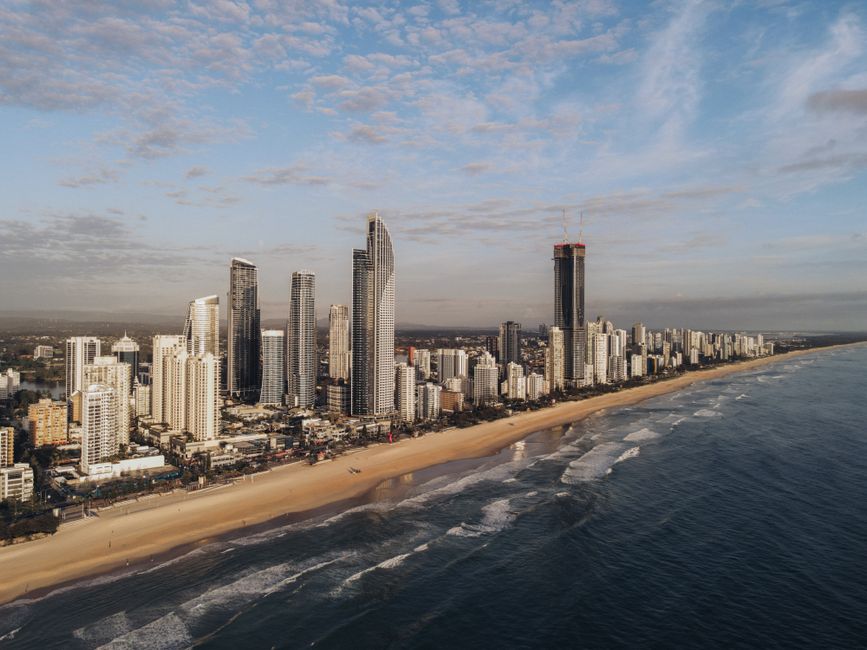
The Gold Coast's retail hospitality and food sector is experiencing a genuine inflection point. With domestic tourism up 18 per cent year-on-year and international arrivals recovering to near pre-pandemic levels, operators who moved decisively in recent months are now reaping the rewards.
The opportunity is most visible along the Broadbeach precinct, where venue density and foot traffic create natural winners. Operators who expanded outdoor seating capacity—capitalising on council relaxations introduced late 2025—have seen average covers per night climb by 22 per cent, according to preliminary data from the Gold Coast Hospitality Association. Average spend per customer has also ticked upward, from $48 to $54 across casual dining venues, driven partly by premium beverage offerings and experience-focused menus.
Southport's dining corridor is experiencing a parallel transformation. The shift toward late-night food culture, accelerated by shifts in consumer behaviour post-2024, has created genuine demand for venues operating past midnight. Venues that installed full kitchen infrastructure to support genuine late-night dining—rather than bar snacks—are reporting 30 per cent of turnover occurring after 10 pm, a dramatic reallocation of revenue streams.
The suburbs are moving too. Neighbourhood precincts in Surfers Paradise, Coolangatta, and Currumbin are attracting investment in small-format venues—wine bars, casual Asian fusion spots, elevated coffee concepts—that serve both tourists and increasingly affluent residential communities. These venues typically operate on tighter margins but benefit from lower rent and strong community loyalty. Several operators report booking rates for private dining and events have extended their operating windows into traditionally quiet weekday periods.
Technology adoption has created competitive advantage. Venues that invested in integrated booking, kitchen management, and customer loyalty systems between mid-2024 and early 2026 report 15 per cent labour efficiency gains and significantly improved customer retention. This has mattered: operators managing complex, multi-service venues (restaurant, bar, events) with fragmented systems have struggled to scale.
The challenge ahead is predictable: operational costs. Wages grew 5.2 per cent across the sector in the past twelve months, and commercial rent in Broadbeach has appreciated 6 per cent annually. Operators banking on volume-driven growth without corresponding pricing power are facing genuine margin compression. Those who succeeded have either established sufficient brand equity to justify price increases, or diversified revenue through events, corporate dining, and venue hire.
The window for entry remains open, but it's narrowing. Established operators with capital flexibility and operational sophistication are consolidating advantage, while newcomers face an increasingly competitive labour market and premium site availability.
This article was compiled by AI from the sources linked above and screened before publishing. See our editorial standards.
Spread the word
About this article
Published by The Daily Gold Coast
Daily brief
Free, in your inbox before 7am. Weekdays.
More from Gold Coast