Gold Coast Tourism 2026: Rising Costs Test Hotels
Labour shortages and 15-20% rate hikes threaten Gold Coast hospitality. How Surfers Paradise, Broadbeach operators are adapting to 2026 pressures.
Labour shortages and 15-20% rate hikes threaten Gold Coast hospitality. How Surfers Paradise, Broadbeach operators are adapting to 2026 pressures.
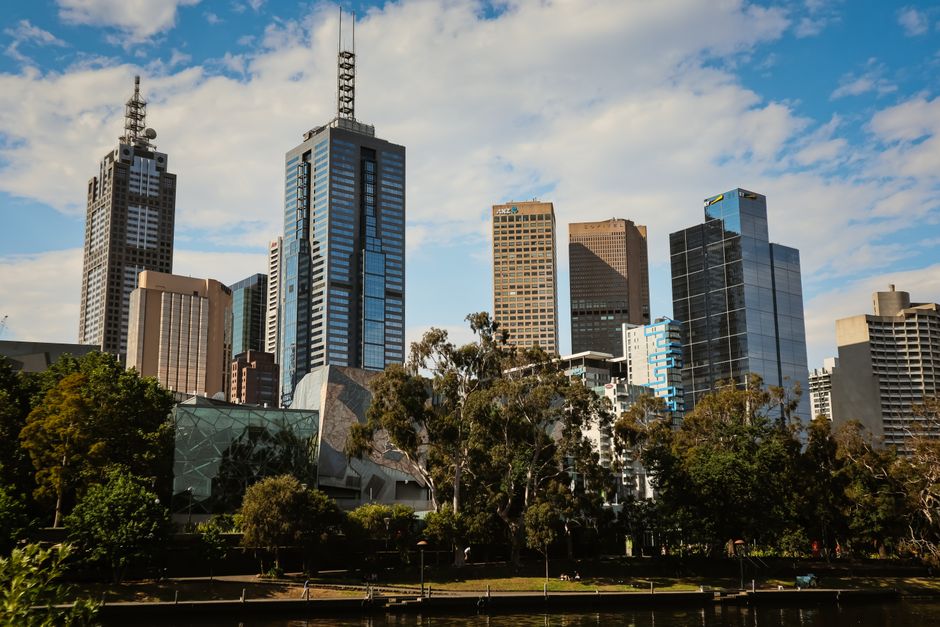
The Gold Coast's tourism machine has long been a economic powerhouse, but business leaders across Surfers Paradise, Broadbeach and Main Beach are bracing for one of the toughest years the sector has faced in a decade.
The challenge is multifaceted. Labour shortages continue to plague hospitality operators, with wage pressures forcing some hotels and restaurants along The Esplanade to reduce service hours or scale back seasonal offerings. Meanwhile, accommodation rates have climbed steadily—beachfront properties in Coolangatta and Tallebudgera are commanding 15–20% higher nightly rates than three years ago, pricing out the mid-range leisure traveller who traditionally formed the backbone of domestic visitation.
International visitor numbers tell a mixed story. While Asian markets remain relatively robust, broader geopolitical volatility—from Middle Eastern tensions to currency fluctuations—is creating unpredictability in booking patterns. Tourism & Events Queensland reported that international arrivals to the Gold Coast dipped 3.2% in the first quarter compared to the same period last year, a concerning signal for venues like the Gold Coast Convention Centre and the Broadbeach entertainment precinct.
"We're seeing families make different choices," explains one prominent hotel operator on Cavill Avenue, noting that domestic travellers are increasingly opting for shorter, closer-to-home breaks rather than extended coastal holidays. The shift toward experience-driven tourism is also reshaping demand—adventure tourism and eco-experiences on the hinterland are gaining ground, while traditional beachside hospitality grapples with lower occupancy rates.
Rising utility and operational costs are squeezing margins further. A modest Surfers Paradise café owner recently noted that energy bills alone have jumped 22% year-on-year, pressures that cascade through the entire supply chain. Small and medium enterprises along the foreshore are particularly vulnerable.
The Gold Coast Business Chamber has flagged infrastructure investment as critical to competitiveness. Improved transport links, enhanced public spaces, and targeted marketing toward younger, experience-seeking demographics are seen as essential to reversing momentum.
Yet industry insiders remain cautiously optimistic. The region's natural assets—pristine beaches, the hinterland, world-class events infrastructure—remain unmatched. Recovery will depend on strategic adaptation: embracing digital innovation, refining positioning in an increasingly competitive regional tourism market, and maintaining the hospitality standards that built the Gold Coast's global reputation.
The next 18 months will be telling.
This article was compiled by AI from the sources linked above and screened before publishing. See our editorial standards.
Spread the word
About this article
Published by The Daily Gold Coast
Daily brief
Free, in your inbox before 7am. Weekdays.
More from Gold Coast