Rising Cost of Living Is Reshaping Gold Coast's Job Market—And Companies Are Scrambling to Adapt
As housing, transport and everyday expenses climb, local businesses face a talent exodus and wage pressure that's forcing a reckoning across the region's commercial heartland.
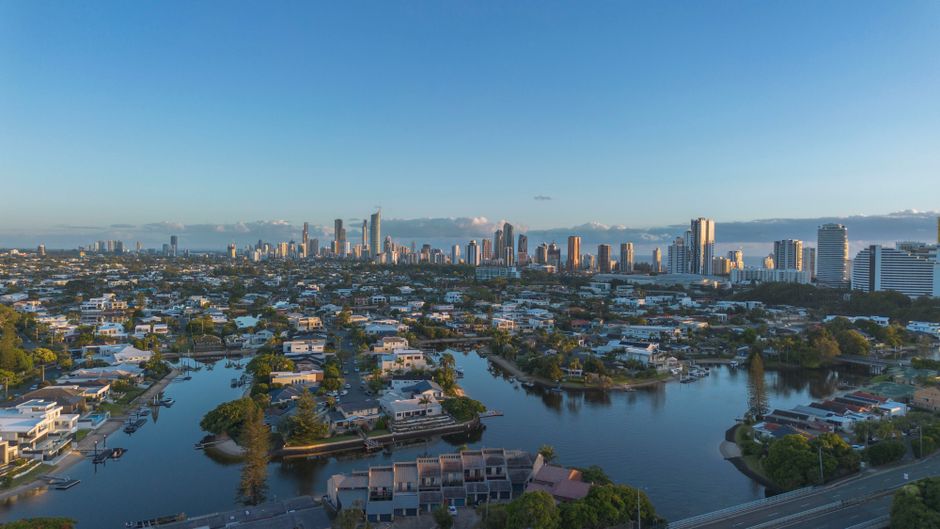
The Gold Coast's gleaming office towers along Surfers Paradise and the bustling precincts of Broadbeach have long attracted ambitious professionals seeking sun, lifestyle and opportunity. But a confluence of financial pressures is now reshaping who stays, who leaves, and what it takes to keep talent in the region.
Housing affordability has become the elephant in the room. A median house price now exceeding $1.2 million in prime suburbs like Mermaid Beach and Tallebudgera Valley has priced out mid-career professionals and junior staff who once anchored the local workforce. Rental stress—with three-bedroom homes in central Surfers Paradise commanding $550-650 per week—is pushing young families northward to Brisbane or south to Tweed Heads, taking their skills with them.
"We're seeing talent drain," explains an HR manager at a major professional services firm based in the Chevron Renaissance precinct. "People reach their late twenties or early thirties, realise they can't afford a home here, and move inland. We've had to restructure how we hire and where we recruit."
Transport costs add another layer of pressure. Petrol prices, coupled with patchy public transit outside the CBD, mean workers on $60,000-$80,000 annually are spending 15-18% of income on commuting alone. The Gold Coast Rapid Transit project offers long-term relief, but construction disruption is adding short-term friction to businesses along Queensland Avenue and Southport's retail corridors.
Grocery and utility bills have similarly spiked. Families juggling mortgages and rising water charges alongside energy bills are demanding higher wages just to maintain living standards—squeezing margins for hospitality, retail and service-sector employers already contending with narrower profitability.
The ripple effect is visible across labour markets. Hospitality venues along The Esplanade are offering sign-on bonuses and flexible scheduling to retain staff. Tech companies and financial services firms are experimenting with remote work to tap Brisbane or Melbourne talent pools at lower salary expectations. Meanwhile, construction and trade sectors face acute shortages, driving wage inflation that makes project costs unpredictable.
For the Gold Coast's business community, the challenge is acute: adapt compensation and working conditions or watch skilled workers decamp. Some corporates are championing flexible work arrangements and mental health support as differentiators. Others are restructuring office space on the Gold Coast Highway to reduce overhead and redirect savings into salaries.
The city's reputation as a lifestyle destination, once its greatest recruitment asset, now competes against raw economic reality. Companies that ignore this shift risk finding their desks empty.
This article was compiled by AI from the sources linked above and screened before publishing. See our editorial standards.