Empty Towers, Shifting Talent: How Gold Coast's Office Crisis is Reshaping Who Works Here
As commercial vacancy rates climb, employers are rethinking workspace strategies—and workers are voting with their feet.
As commercial vacancy rates climb, employers are rethinking workspace strategies—and workers are voting with their feet.
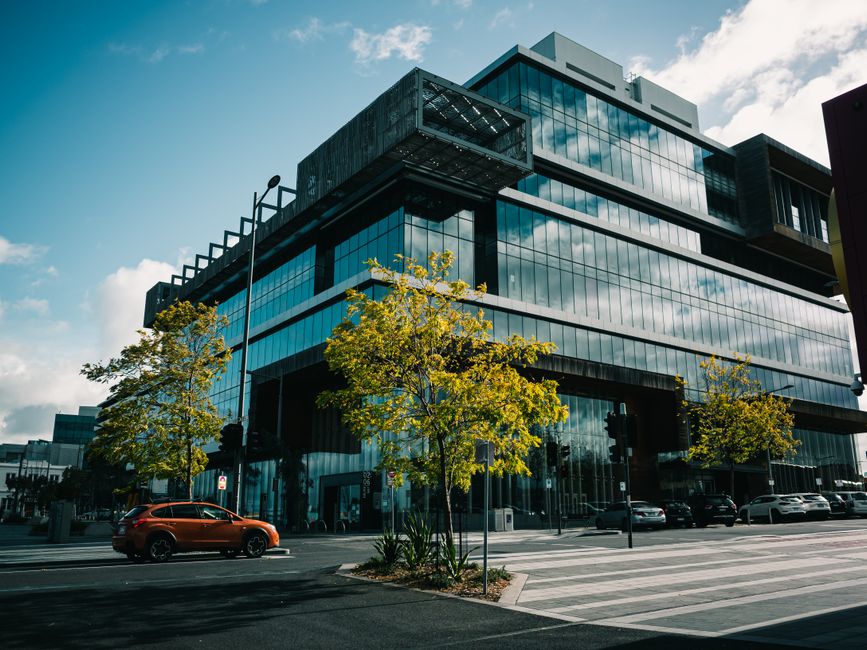
The Gold Coast's gleaming office towers along Surfers Paradise Boulevard and Broadbeach have long symbolised prosperity, but 2026 tells a different story. With commercial vacancy rates hovering near 18 per cent across the CBD—double the pre-pandemic average—landlords and local businesses are confronting a fundamental shift: the traditional office worker may never fully return.
This transformation is quietly reshaping the city's talent market in ways that extend far beyond real estate. When companies abandon multi-year leases on levels in towers like those dotting Cavill Avenue, they're not just vacating square metres. They're signalling a profound change in how work gets done, where talent pools form, and which neighbourhoods will thrive.
"We're seeing a genuine bifurcation," explains a local commercial property analyst. "Firms that need collaborative, in-person environments—think creative agencies, professional services—are consolidating into premium addresses. Everyone else is questioning whether they need prestige real estate at all." The result: secondary office districts like Southport and Ashmore are attracting nimble startups and tech firms willing to sacrifice skyline views for affordability and flexibility.
The ripple effects on talent acquisition are pronounced. Companies anchored to expensive CBD leases face mounting pressure to justify those costs through employee retention and productivity—creating upward wage pressure even as office markets soften. Conversely, firms decamping to emerging precincts can redirect savings into competitive salaries, equity packages, and lifestyle benefits that appeal to younger workers prioritising flexibility over commute.
Recruitment patterns are already shifting. Candidates once willing to endure the Nerang River crossing for a Surfers Paradise postcode are now weighing peripheral suburbs more seriously. Workers with young families, increasingly remote-capable, are opting for office proximity in Robina or the northern beaches rather than the traditional CBD grind.
Local property owners are adapting. Conversion of tired office stock into residential apartments—particularly around Southport and Broadbeach—is underway, fundamentally altering neighbourhood demographics and consumption patterns. These aren't just structural changes; they're demographic ones that will reshape schools, cafes, and services across the city.
For Gold Coast employers, the message is clear: geography matters less than culture, flexibility, and genuine value proposition. The days of assuming talent will follow prestigious addresses appear numbered. The question now isn't whether the office market will recover—it's whether the old model ever returns. That uncertainty is already reshaping who moves here, who stays, and what jobs look like in Australia's favourite coastal city.
This article was compiled by AI from the sources linked above and screened before publishing. See our editorial standards.
Spread the word
About this article
Published by The Daily Gold Coast
Daily brief
Free, in your inbox before 7am. Weekdays.
More from Gold Coast